Advertisement






What really powers the cloud? Behind every Google search, A...
A lot of what defines a home isn’t visible at handover. I...
Private equity has played a significant role in shaping Indi...
Luxury real estate is one of the most talked-about segments ...
Airports play a much bigger role than just enabling travel -...
• Residents’ groups have sought extension of the proposed Kirti Nagar–Palam metro corridor up to Dwarka Expressway.
• The demand follows approval of the 9.9-km metro line connecting Kirti Nagar and Palam in Delhi.
• Civic groups cited rising congestion and inadequate public transport between Dwarka and Gurugram.
• Stakeholders said the extension could improve connectivity for rapidly developing residential sectors along the corridor.
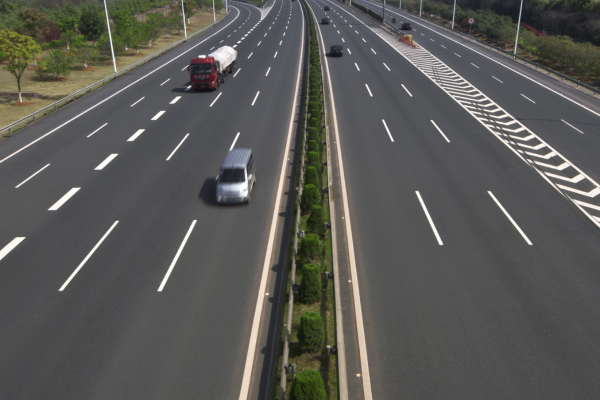
Residents and civic groups from Dwarka and Gurugram have sought an extension of the proposed Kirti Nagar–Palam metro corridor to the Dwarka Expressway, arguing that the existing alignment may not adequately address growing commuter demand between Delhi and emerging residential zones in Gurugram. The demand gained momentum in the past week following the Delhi government’s approval of the 9.9-km metro corridor connecting Kirti Nagar and Palam. Advertisement






The proposed metro line is planned with six stations, including Saraswati Garden, Mayapuri Industrial Area Phase III, IITM Janakpuri and Sagarpur, along with interchange facilities at Mayapuri and Palam stations. Resident welfare associations and citizen groups stated that extending the corridor towards Dwarka and the Dwarka Expressway would improve regional connectivity and support the increasing population in newly developed residential sectors across Gurugram and southwest Delhi.
A joint delegation comprising members of Dwarka Forum and the Dwarka Expressway Gurugram Development Association recently met West Delhi MP Kamaljeet Sehrawat to present demands for improved metro and bus connectivity between Dwarka, the Dwarka Expressway corridor and Gurugram. Residents highlighted that public transport infrastructure had not expanded in proportion to the rapid residential and commercial development witnessed along the expressway corridor in recent years.
Citizen groups stated that the absence of direct mass transit connectivity has resulted in heavy dependence on private vehicles, app-based taxi services and overcrowded metro interchanges. Concerns were also raised over congestion on the Delhi Metro Blue Line and crowding at Dwarka Sector 21 station during peak travel hours. According to residents, an extension of the metro corridor could help reduce vehicular pressure on NH-48 and the Dwarka Expressway while improving access between Delhi and Gurugram’s business districts.
The Dwarka Expressway corridor has emerged as one of the fastest-growing real estate belts in the National Capital Region over the past few years, with substantial residential and mixed-use development activity across sectors in New Gurugram. Improved road infrastructure and connectivity upgrades have contributed to increased housing demand and commercial investment along the corridor.
Residents also requested the introduction of regular Delhi Transport Corporation bus services connecting Dwarka Sector 21 metro station with residential sectors along the Dwarka Expressway in Gurugram to strengthen last-mile connectivity. Representatives from the residents’ groups stated that improved public transport links would provide more affordable commuting options and reduce dependence on private transport.
During discussions with the delegation, Sehrawat reportedly stated that the concerns raised by residents would be taken up with the relevant agencies. She also indicated that the proposed Airport Metro extension towards Gurugram was presently in the final stages of approval.

5th Jun, 2025

25th May, 2023

11th May, 2023

27th Apr, 2023
Advertisement









 Facebook
 Whatsapp
