Advertisement






What really powers the cloud? Behind every Google search, A...
A lot of what defines a home isn’t visible at handover. I...
Private equity has played a significant role in shaping Indi...
Luxury real estate is one of the most talked-about segments ...
Airports play a much bigger role than just enabling travel -...
The Mumbai Metropolitan Region Development Authority (MMRDA) has introduced India’s first Automated Pantograph Condition Monitoring System (APCMS) in the Maha Mumbai Metro. The AI-based system enables real-time inspection of pantographs, cutting inspection time from around 30 minutes to just a few seconds and improving maintenance efficiency by nearly 90–95 percent. It uses laser scanning, 3D imaging and machine learning to detect faults, wear and alignment issues early. The initiative strengthens predictive maintenance, reduces downtime and enhances operational safety and reliability across metro operations in Mumbai.
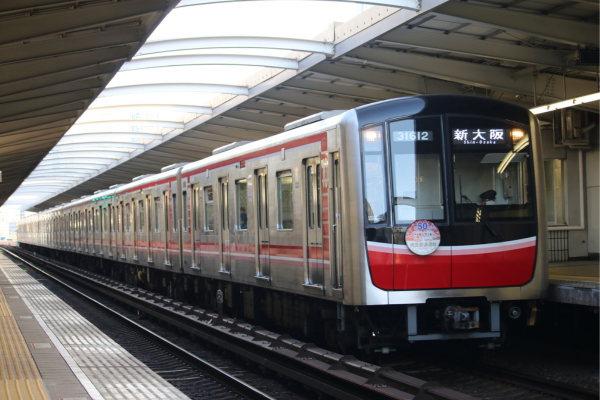
In Mumbai, the Mumbai Metropolitan Region Development Authority (MMRDA) has deployed India’s first Automated Pantograph Condition Monitoring System (APCMS) in the Maha Mumbai Metro network, marking a major step towards technology-led urban rail operations. The system has been introduced as a predictive maintenance and real-time monitoring solution aimed at improving safety and operational efficiency. Advertisement






The APCMS replaces the earlier manual inspection process with a continuous, automated system that monitors pantographs during regular metro operations without requiring service interruption. Traditional inspections, which were carried out during scheduled maintenance cycles and required significant time and manpower, have now been replaced with real-time data-driven monitoring.
The system uses Artificial Intelligence, Machine Learning, high-speed laser scanning and advanced 3D imaging technology to capture detailed structural and surface data of pantographs while trains are in motion. This data is analysed continuously to identify abnormalities, deviations and early signs of wear before they lead to operational issues.
MMRDA stated that the system is designed to perform reliably under varying conditions, including nighttime operations, rain, changing lighting environments and high-speed movement. It overcomes the limitations of conventional inspection methods that relied heavily on manual checks and static imaging.
The monitoring system evaluates multiple technical aspects of the pantograph, including cracks, broken carbon sections, surface wear and carbon strip thickness. It also tracks wear trends over time, helping maintenance teams determine replacement cycles more accurately.
Along with surface inspection, the system assesses structural stability by examining components such as horns and carbon strips. It also identifies alignment deviations by measuring yaw, roll and pitch angles, which can impact current collection efficiency and long-term performance.
A key feature of the system is its ability to measure pantograph uplift behaviour, which helps assess the interaction between the pantograph and the overhead catenary system by tracking uplift distance and force.
If any parameter exceeds predefined safety thresholds, the system immediately sends real-time alerts to maintenance teams and control centres, enabling quick corrective action before minor issues escalate into failures.
Each inspection is linked to individual trains through an RFID-based identification system, generating a fully traceable digital record. This database supports trend analysis, root cause evaluation and long-term maintenance planning.
According to MMRDA, the implementation has significantly improved predictive maintenance capabilities, reducing reliance on manual inspection and enhancing operational decision-making. The inspection time has been reduced from about 30 minutes to just a few seconds, resulting in nearly 90–95 percent efficiency improvement and better fleet availability.
Key operational advantages include improved reliability of the power collection system, reduced risk of overhead infrastructure damage, lower maintenance costs and reduced train downtime. The system also enables continuous monitoring, faster fault detection and transition from schedule-based maintenance to condition-based maintenance.
The Chief Minister of Maharashtra noted that the deployment of this system represents a shift towards AI-based urban transport infrastructure, improving safety, reducing downtime and strengthening predictive diagnostics in metro operations.
The Deputy Chief Minister and Chairman of MMRDA stated that the initiative reflects a major technological advancement in urban transport and supports the development of a safer and more efficient metro system for daily commuters.
The Metropolitan Commissioner of MMRDA highlighted that the system will enhance operational reliability, reduce service disruptions and support the creation of a more sustainable and modern metro network for the Mumbai Metropolitan Region.
Source MMRDA

5th Jun, 2025

25th May, 2023

11th May, 2023

27th Apr, 2023
Advertisement









 Facebook
 Whatsapp
