Advertisement






What really powers the cloud? Behind every Google search, A...
A lot of what defines a home isn’t visible at handover. I...
Private equity has played a significant role in shaping Indi...
Luxury real estate is one of the most talked-about segments ...
Airports play a much bigger role than just enabling travel -...
The Brihanmumbai Municipal Corporation (BMC) plans to revive Mumbai’s first decentralised waste-to-energy plant at Pali Hill in Bandra after the facility became defunct last year. Operational since 2018, the citizen-led project developed with the Pali Hill Residents Association processed nearly one tonne of organic waste daily and generated electricity for around 69 streetlights in the locality. Civic officials are now exploring revival of the facility through CSR funding while also assessing expansion of its waste-processing capacity as part of Mumbai’s broader decentralised waste-management initiatives.
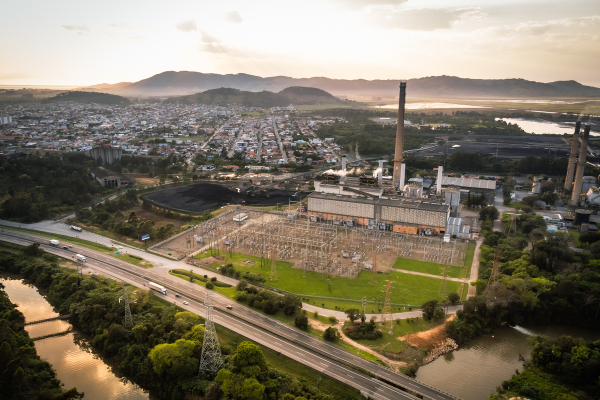
The Brihanmumbai Municipal Corporation (BMC) is planning to revive Mumbai’s first decentralised waste-to-energy (WTE) plant at Pali Hill in Bandra after the facility became non-operational last year following maintenance and operational challenges. The plant, which began functioning in 2018 in Mumbai’s western suburbs, was developed as a community-led solid waste management initiative in partnership with the Pali Hill Residents Association (PHRA). Advertisement






According to civic officials, the facility was designed to process nearly one tonne of organic household waste every day and convert it into electricity for local use. The electricity generated by the project was earlier utilised for illuminating around 69 streetlights in the neighbourhood and for operating the plant itself. Officials stated that the initiative was introduced as part of efforts to promote decentralised waste processing and reduce dependence on centralised dumping and transportation systems across Mumbai.
Multiple earlier reports by Mumbai Mirror, The Times of India and Swachh India had documented the project as one of the city’s early citizen-supported sustainability initiatives focused on converting residential organic waste into usable energy. The plant catered to residential societies in and around Pali Hill and was viewed as an experimental urban waste-management model during its initial years of operation.
Civic representatives stated that operational difficulties emerged after a change in the maintenance agency in 2021. According to officials quoted in reports, the new operator allegedly failed to undertake regular maintenance and operational upkeep, resulting in gradual deterioration of the facility. The plant eventually became defunct in 2025 after the operator reportedly handed over the keys and expressed inability to continue managing the project.
BMC officials are now examining the possibility of reviving the plant through CSR-backed funding support while also assessing whether the facility’s waste-processing capacity can be increased. Local representatives have also sought technical evaluation of the infrastructure to determine whether the project can be restored without major reconstruction.
The revival proposal comes at a time when the civic body is exploring decentralised waste-management systems, localised processing facilities and sustainability-focused urban infrastructure projects to reduce pressure on Mumbai’s landfill-dependent waste disposal network.

5th Jun, 2025

25th May, 2023

11th May, 2023

27th Apr, 2023
Advertisement









 Facebook
 Whatsapp
