Advertisement






What really powers the cloud? Behind every Google search, A...
A lot of what defines a home isn’t visible at handover. I...
Private equity has played a significant role in shaping Indi...
Luxury real estate is one of the most talked-about segments ...
Airports play a much bigger role than just enabling travel -...
• Indian Railways is planning a mega tender worth around INR 40,000 crore for procurement of nearly 100,000 freight wagons.
• The proposed tender is aimed at supporting freight capacity expansion, improving logistics movement and increasing rail freight share nationally.
• Wagon manufacturers are expected to benefit from long-term production visibility and higher utilisation of expanded manufacturing capacities.
• The procurement plan aligns with broader railway infrastructure and freight corridor expansion strategies under the National Rail Plan.
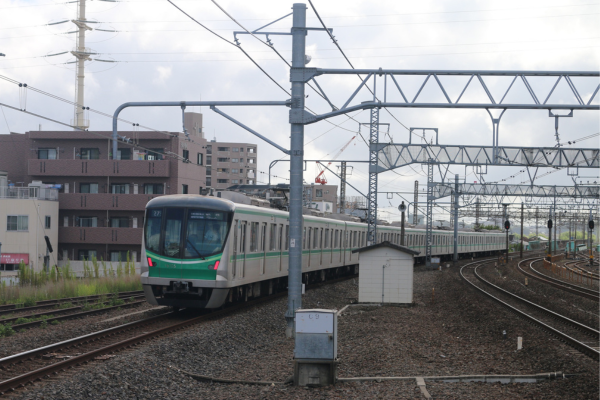
Indian Railways is preparing to launch one of its largest-ever rolling stock procurement exercises with plans to float a wagon tender worth nearly INR 40,000 crore for approximately 100,000 freight wagons, according to multiple media reports published over the past week. The proposed procurement is expected to support the national transporter’s long-term freight expansion strategy while providing a significant boost to India’s domestic wagon manufacturing sector. Advertisement






Reports stated that the proposed tender follows the Railways’ earlier long-term wagon procurement programme initiated in 2022, under which around 100,000 wagons worth approximately INR 32,000 crore were planned for procurement over a three-year period. The latest procurement exercise is expected to build on that model while aligning with growing freight transportation requirements across coal, cement, steel, foodgrain and container cargo segments.
According to reports, Indian Railways is seeking to significantly strengthen freight movement capacity as part of the National Rail Plan, which targets an increase in rail’s modal freight share to 45% by 2030. Government estimates cited in infrastructure reports suggest consolidated freight demand could exceed 6,300 million tonnes by 2026 and continue rising substantially over the following years.
The planned procurement is also expected to support private wagon manufacturers that have expanded production capacities in anticipation of sustained railway demand. Industry reports indicated that the long-term tender structure provides manufacturers with greater production visibility, operational stability and improved capacity utilisation compared to shorter-duration procurement cycles.
Several reports noted that wagon manufacturing companies have already increased investments in fabrication facilities, component production and rolling stock infrastructure over the past few years amid expectations of continued railway capital expenditure. Companies operating in the sector have also diversified into freight mobility equipment, brake systems, castings and railway component manufacturing linked to future freight expansion programmes.
The procurement initiative comes alongside broader railway infrastructure expansion across Dedicated Freight Corridors, multimodal logistics parks, industrial corridors and freight terminals. Railways has been increasing focus on cargo efficiency, turnaround time reduction and higher freight loading volumes as part of efforts to improve logistics competitiveness and reduce transportation costs across sectors.
Industry observers have also highlighted the potential economic impact of the proposed tender on ancillary industries including steel, fabrication, forgings, wheel manufacturing and railway equipment suppliers. The large-scale wagon procurement programme is expected to generate substantial demand across the railway manufacturing supply chain over the coming years.
Reports further suggested that the procurement plan reflects Indian Railways’ continued emphasis on long-term freight-led growth amid rising infrastructure investment and industrial cargo demand. The planned tender is expected to be formally floated during the current financial year following internal approvals and procurement structuring exercises within the Ministry of Railways.

5th Jun, 2025

25th May, 2023

11th May, 2023

27th Apr, 2023
Advertisement









 Facebook
 Whatsapp
