Advertisement






What really powers the cloud? Behind every Google search, A...
A lot of what defines a home isn’t visible at handover. I...
Private equity has played a significant role in shaping Indi...
Luxury real estate is one of the most talked-about segments ...
Airports play a much bigger role than just enabling travel -...
Abu Dhabi National Oil Company said the UAE’s new oil pipeline connecting Abu Dhabi to Fujairah is around 50% complete. The project is intended to expand crude export capacity outside the Strait of Hormuz and strengthen energy supply routes amid continuing geopolitical tensions in the region. ADNOC stated that the pipeline forms part of the UAE’s broader strategy to diversify export infrastructure and improve direct access to the Gulf of Oman. The development comes as Gulf energy producers increase investments in alternative export corridors, storage facilities and logistics infrastructure to reduce dependence on Hormuz-linked shipping routes.
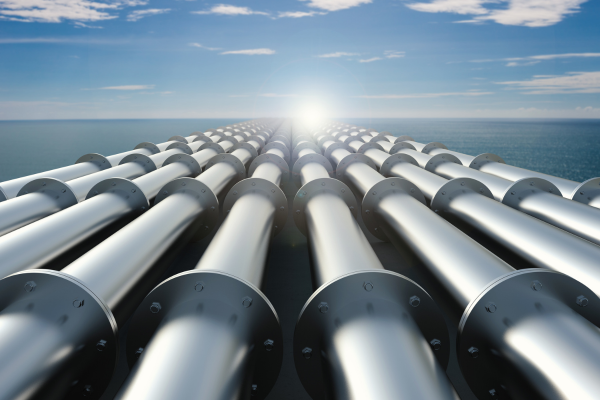
Abu Dhabi National Oil Company has stated that the UAE’s new oil pipeline project linking Abu Dhabi to Fujairah on the Gulf of Oman is approximately 50% complete, as the country moves ahead with infrastructure intended to increase crude export capacity outside the Strait of Hormuz. Advertisement






ADNOC chief executive Sultan Ahmed Al Jaber disclosed the project status during the World Utilities Congress in Abu Dhabi in the past week. According to the company, the new pipeline is designed to strengthen the UAE’s energy export infrastructure by providing an alternative route for crude transportation that bypasses the Strait of Hormuz, one of the world’s most strategically important maritime oil transit corridors.
The project forms part of the UAE’s broader strategy to diversify export infrastructure and reduce dependence on shipping routes passing through the Strait of Hormuz, where geopolitical tensions have periodically raised concerns over potential disruptions to global oil supplies. The waterway remains a critical route for crude exports from Gulf producers, handling a substantial share of internationally traded oil volumes.
The new pipeline is being developed alongside existing export infrastructure connecting Abu Dhabi’s oil production facilities with Fujairah, which has emerged as a major oil storage and bunkering hub outside the Gulf. Fujairah’s location on the Gulf of Oman enables direct access to international shipping lanes without requiring vessels to pass through the Strait of Hormuz.
According to ADNOC, the pipeline expansion is intended to support future production growth and strengthen long-term energy logistics capacity. The company did not disclose the total project cost or expected commissioning timeline during the announcement. However, officials indicated that construction activity is progressing in phases as part of wider investments in the UAE’s oil and energy infrastructure network.
The infrastructure development comes amid continued volatility in global energy markets linked to geopolitical tensions in West Asia and concerns surrounding maritime security in the Gulf region. Analysts have indicated that Gulf producers are increasingly investing in alternative export routes, storage facilities and downstream infrastructure to improve supply chain resilience and reduce exposure to shipping bottlenecks.
ADNOC has undertaken multiple infrastructure and capacity expansion projects in recent years as part of the UAE’s broader hydrocarbons strategy. The company has expanded upstream production, refining operations, storage capacity and export infrastructure while simultaneously increasing investments in energy transition projects, petrochemicals and low-carbon technologies.
The Fujairah pipeline project also aligns with the UAE’s long-term infrastructure strategy aimed at strengthening the country’s position within global energy markets. Fujairah has witnessed sustained investment in energy storage terminals, port infrastructure and industrial facilities linked to oil trading, refining and marine fuel operations.
Industry observers have stated that infrastructure projects bypassing the Strait of Hormuz continue to hold strategic importance for Gulf energy producers seeking to maintain export continuity amid evolving geopolitical risks in the region.
Source: Reuters

5th Jun, 2025

25th May, 2023

11th May, 2023

27th Apr, 2023
Advertisement









 Facebook
 Whatsapp
