Advertisement






What really powers the cloud? Behind every Google search, A...
A lot of what defines a home isn’t visible at handover. I...
Private equity has played a significant role in shaping Indi...
Luxury real estate is one of the most talked-about segments ...
Airports play a much bigger role than just enabling travel -...
• Kerala’s new UDF government has decided to scrap the proposed SilverLine semi high-speed rail corridor project.
• The state cabinet has also decided to revoke land acquisition notifications and recommend withdrawal of cases filed against anti-project protesters.
• The project had faced prolonged opposition over land acquisition, environmental concerns and financial viability across multiple districts in Kerala.
• The proposed corridor was intended to improve north-south rail connectivity across the state through a dedicated semi high-speed network.
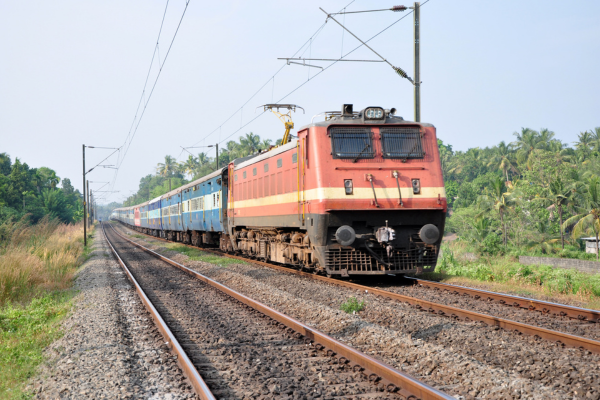
The newly elected United Democratic Front (UDF) government in Kerala has decided to scrap the long-pending SilverLine semi high-speed rail corridor project, marking a major reversal of one of the previous Left Democratic Front (LDF) administration’s flagship infrastructure proposals. Chief Minister V D Satheesan announced the decision following a state cabinet meeting in Thiruvananthapuram. Advertisement






The proposed 530-km rail corridor, planned by Kerala Rail Development Corporation, was intended to connect Thiruvananthapuram and Kasaragod through a semi high-speed network aimed at reducing travel time between the two ends of the state to around four hours. The project had an estimated cost of approximately INR 64,000 crore and was jointly promoted by the Kerala government and the Ministry of Railways.
According to statements made after the cabinet meeting, the Kerala government will revoke all notifications issued for land acquisition linked to the project. The administration has also decided to recommend withdrawal of criminal cases registered against protesters who had opposed the corridor alignment and land acquisition proceedings, subject to court approval.
The SilverLine project had remained one of Kerala’s most politically debated infrastructure proposals over the past several years. The corridor faced sustained opposition from residents, environmental groups, political parties and activists across multiple districts over concerns related to land acquisition, ecological impact, rehabilitation issues and financial viability.
Several media reports noted that villages including Madappally and Chengannur had emerged as major centres of anti-SilverLine protests, with residents objecting to acquisition of residential properties and agricultural land along the proposed alignment. Protest movements had continued for more than four years in certain regions of the state.
The Centre had also raised technical and procedural concerns regarding the project in recent months. Earlier this year, the Ministry of Railways stated that the Kerala government had continued to pursue the project as a standalone system despite suggestions to revise the detailed project report to align with national railway standards and broader network integration requirements.
Chief Minister Satheesan stated that the state government was not opposed to high-speed rail connectivity in principle but had concerns regarding the existing SilverLine proposal. Reports citing cabinet discussions stated that the government considered the project environmentally unsustainable and financially unviable in its present form.
The decision brings an end to a project that had dominated Kerala’s infrastructure and political discourse for years and had triggered extensive debate over balancing transport modernisation with environmental and social concerns.
Source: PTI

5th Jun, 2025

25th May, 2023

11th May, 2023

27th Apr, 2023
Advertisement









 Facebook
 Whatsapp
