Advertisement






What really powers the cloud? Behind every Google search, A...
A lot of what defines a home isn’t visible at handover. I...
Private equity has played a significant role in shaping Indi...
Luxury real estate is one of the most talked-about segments ...
Airports play a much bigger role than just enabling travel -...
• Rajkot Municipal Corporation (RMC) collected INR 153 crore in advance property and water taxes in 40 days for FY 2026–27.
• Around 2.43 lakh taxpayers cleared their dues during the ongoing collection drive.
• Digital payments contributed significantly, showing strong adoption of online tax payment systems.
• Rebate schemes, including incentives for early payment and additional benefits for women taxpayers, supported higher compliance.
• The collection reflects improved tax discipline and steady growth compared to the previous year.
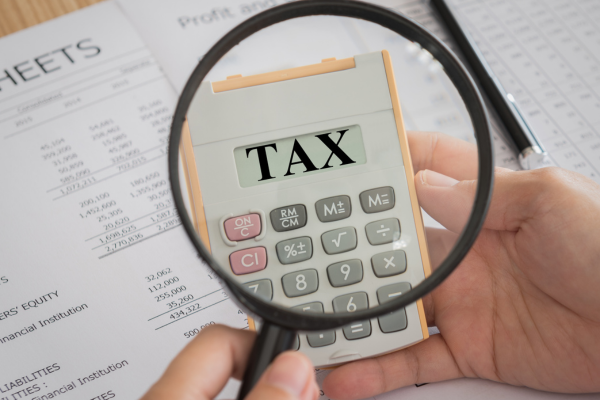
Rajkot Municipal Corporation (RMC) has collected INR 153 crore in advance property and water taxes within a 40-day collection period for the financial year 2026–27. The civic body reported participation from around 2.43 lakh taxpayers who cleared their dues during the ongoing drive. Advertisement






A major share of the collections came through digital payment modes, indicating a steady shift towards online tax payment systems in the city. The adoption of digital channels has helped improve convenience for taxpayers and reduced dependence on traditional payment counters.
To encourage early compliance, RMC implemented rebate schemes for advance tax payments. These included discounts for general taxpayers and additional incentives for women property owners. These measures played an important role in increasing early participation in the tax collection process.
The overall collection performance shows steady growth compared to the previous year’s corresponding period, reflecting better tax discipline among residents. Officials also noted that contributions were spread across different parts of the city, indicating broad-based participation rather than concentrated collections in specific zones.
The civic administration continues to promote simplified tax payment systems along with digital platforms, aiming to further improve compliance and strengthen municipal revenue collection in the coming financial cycle.

5th Jun, 2025

25th May, 2023

11th May, 2023

27th Apr, 2023
Advertisement









 Facebook
 Whatsapp
