Advertisement






Private equity has played a significant role in shaping Indi...
In today’s real estate landscape, fitness is often treated...
In this episode of Prop Personalities, we sit down with Hars...
Luxury real estate is one of the most talked-about segments ...
Welcome to Prop Personalities by Prop News Time - a podcast ...
Teams from the World Bank and Asian Development Bank reviewed ongoing infrastructure and urban development works in Amaravati during a visit to the capital region. The delegation inspected road projects, smart city systems, labour welfare facilities and environmental safeguard measures being implemented by the Andhra Pradesh Capital Region Development Authority and associated agencies. Discussions also focused on sustainable urban development, employment opportunities for local youth and financing requirements for the next phase of Amaravati’s development. Meetings with banking institutions and advisory teams additionally examined long-term infrastructure funding strategies, PPP opportunities and project execution models for future expansion works.
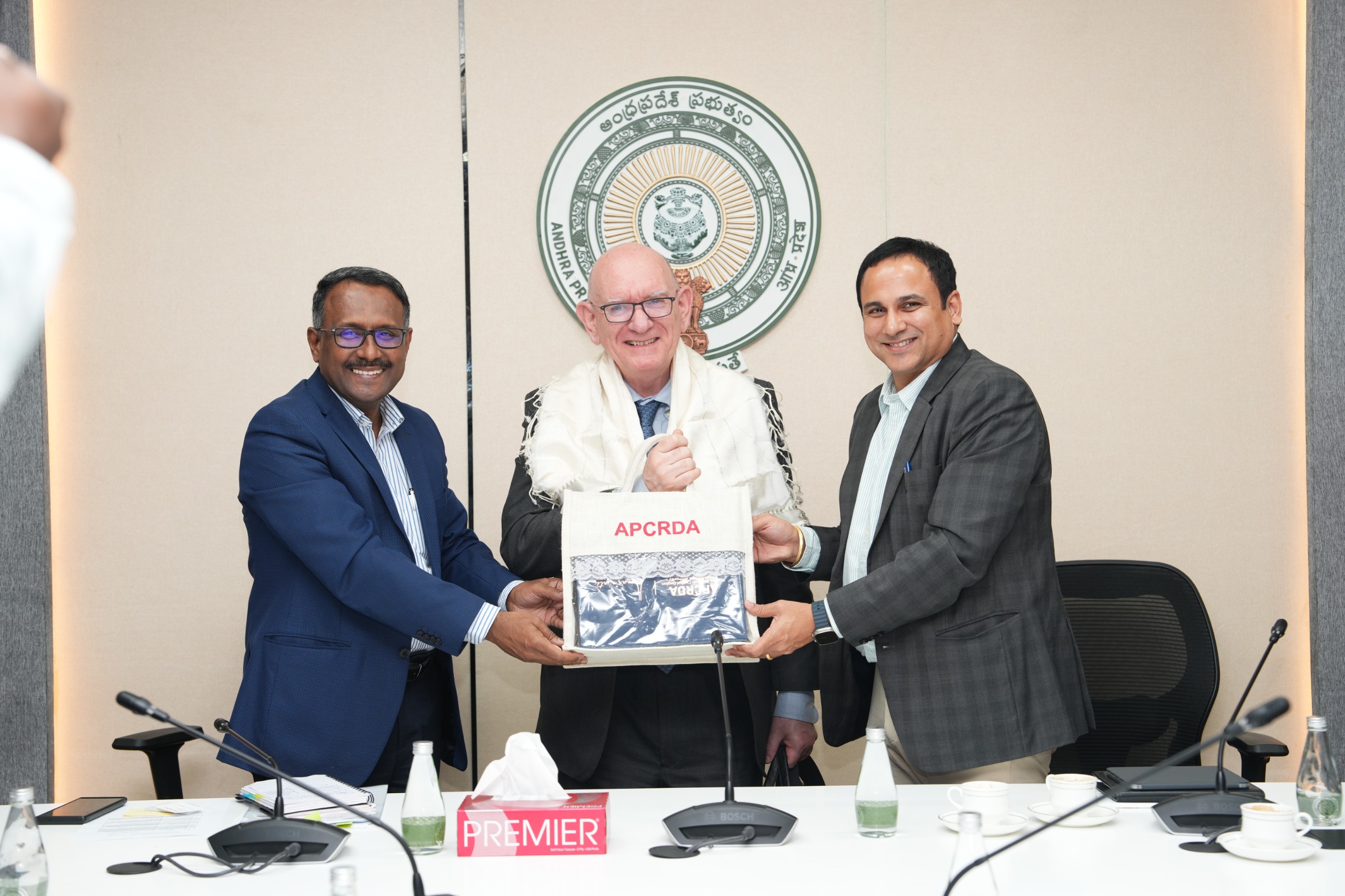
Amid continued efforts to accelerate development activity in Amaravati, a joint delegation from the World Bank and Asian Development Bank reviewed ongoing infrastructure and urban development projects being executed by the Andhra Pradesh Capital Region Development Authority (APCRDA) and its associated agencies across the capital city region. Advertisement






The visit formed part of the Chief Risk Officer mission aimed at assessing the progress of infrastructure works, environmental and social safeguard systems, labour welfare measures and smart city initiatives being implemented in Amaravati. Senior officials from APCRDA and related agencies held detailed review meetings with the delegation on multiple projects currently under execution.
An interaction meeting was conducted at the APCRDA Project Office in the presence of APCRDA Commissioner Vijay Rama Raju, IAS, ADCL CMD Lakshmi Parthasarathy, Additional Commissioner (FAC) Praveenchand, IAS, and Additional Commissioner Karthik, IAS. Senior officials from ADCL, AGICL and urban infrastructure divisions also participated in the discussions.
The World Bank delegation included Dennis McLaughlin, Vice President and Chief Risk Officer, Paul Procee, Country Director for India, and other senior officials associated with infrastructure, environmental and urban development programmes.
During the review process, the delegation assessed the progress of trunk infrastructure, road development, urban utilities and integrated governance systems planned for Amaravati. Officials also visited the APCRDA Command and Control Centre Lab to examine the integrated monitoring systems and smart governance framework being developed under the city’s larger smart infrastructure programme.
Joint field inspections were carried out at multiple project locations, including the Gravity Canal near the N16 Junction at Dondapadu, labour accommodation facilities, the NGO Towers First Aid Room and the E6 Trunk Road corridor. The delegation also visited SRM University AP, where officials reviewed the Quantum Computing System and technology-driven initiatives connected to advanced urban planning and innovation-led infrastructure development.
Separate review meetings were held with environmental and social management teams, including ESMU staff, PgMC environmental and social teams, and officials from APCRDA, ADCL and PMC divisions. Discussions focused on environmental monitoring systems, labour welfare standards, social safeguard implementation and sustainable urban development practices being adopted for Amaravati’s expansion.
Officials additionally discussed employment generation initiatives aimed at creating opportunities for unemployed youth in the Amaravati region. Further meetings were later held with Suresh Kumar, IAS, Principal Secretary of Municipal Administration and Urban Development, regarding ongoing and proposed development works in the capital city.
As part of the broader engagement, representatives from the World Bank, banking institutions and infrastructure advisory teams also held discussions on Phase-2 funding requirements for Amaravati infrastructure projects. The meetings focused on financial planning, project execution mechanisms, long-term infrastructure funding strategies and implementation priorities for upcoming development works across the capital region.
The financing-related meetings included representatives such as Gerald Ollivier, Bala, Qingyun and members of the Crisil team. Senior APCRDA officials, including Commissioner Vijay Rama Raju, IAS, Additional Commissioner (FAC) Praveenchand, IAS, and AGICL Managing Director S.V.R. Srinivas, also participated in the discussions along with representatives from ESMU, PgMC and PMC teams.
Discussions further covered Public-Private Partnership (PPP) opportunities, institutional coordination, project structuring models and financing mechanisms required for large-scale urban infrastructure projects planned for Amaravati. Officials reviewed various approaches for mobilising long-term capital support as the Andhra Pradesh government continues to revive and accelerate pending works in the capital city.
Over the past year, the state government has intensified efforts to restart key infrastructure projects in Amaravati after several works had remained delayed for an extended period. Multilateral institutions such as the World Bank and Asian Development Bank continue to play an important role in infrastructure financing, urban planning support and institutional oversight associated with sustainable development standards in large-scale capital city projects.
Source APCRDA

5th Jun, 2025

25th May, 2023

11th May, 2023

27th Apr, 2023
Advertisement









 Facebook
 Whatsapp
