Advertisement






What really powers the cloud? Behind every Google search, A...
A lot of what defines a home isn’t visible at handover. I...
Private equity has played a significant role in shaping Indi...
Luxury real estate is one of the most talked-about segments ...
Airports play a much bigger role than just enabling travel -...
A recent fire in Lucknow that destroyed over 280 shanties and displaced more than 1,000 residents has prompted urban planners and housing experts to call for structured, fire-resilient slum redevelopment. The incident, intensified by multiple LPG cylinder explosions, exposed vulnerabilities in informal settlements built with flammable materials and lacking basic infrastructure. Experts have recommended in-situ redevelopment, use of safer construction materials, and planned layouts with firebreaks to reduce risks. The development has renewed focus on integrating informal housing into formal urban planning frameworks while ensuring livelihood continuity for low-income residents.
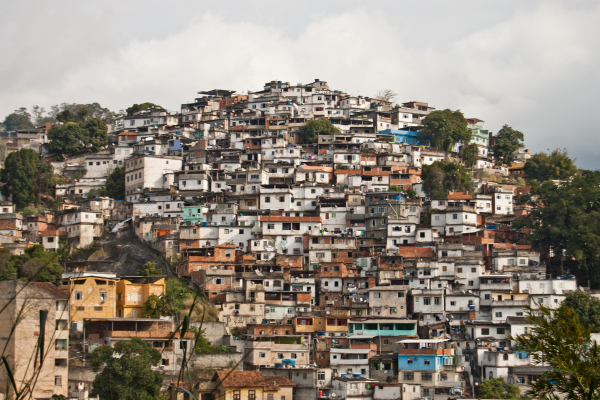
A large-scale fire in Lucknow that gutted over 280 informal dwellings and displaced more than 1,000 residents has triggered calls from urban planning experts for structured, fire-resilient housing solutions for slum settlements, with a focus on long-term redevelopment strategies, according to discussions held in the past week. Advertisement






The blaze, which occurred in the Vikas Nagar area, spread rapidly through densely packed shanties constructed using highly flammable materials such as plastic sheets and temporary roofing. The situation was aggravated by explosions of multiple LPG cylinders, highlighting the absence of basic safety infrastructure and emergency access within such settlements.
In the aftermath, urban planners and architects have emphasised the need to move away from ad hoc rehabilitation or relocation strategies and instead adopt in-situ redevelopment models. Experts indicated that informal settlements are often located close to employment hubs, and relocating residents to distant areas disrupts livelihoods, particularly for daily wage workers and service providers.
Recommendations include the use of low-cost but fire-resistant construction materials such as brick or concrete blocks, replacing combustible elements commonly used in informal housing. Planners have also proposed the introduction of defined firebreak lanes of three to six metres between clusters to prevent the spread of fires and improve access for emergency services.
Another approach under discussion is the development of “small group housing” clusters, which would combine compact planning with essential infrastructure and regulated layouts. This model is intended to retain community cohesion while introducing safety standards and basic urban services such as sanitation, drainage and electricity.
Experts have cautioned that rebuilding settlements in their existing form would perpetuate risks, noting that unplanned density, lack of infrastructure, and unsafe construction practices continue to expose residents to recurring disasters. They have called for integration of informal settlements into formal urban planning frameworks through phased redevelopment supported by government schemes and public-private partnerships.
The incident has also highlighted the broader role of such settlements in supporting urban economies. Informal housing clusters often function as service hubs for surrounding residential areas, housing workers engaged in essential services such as transport, repairs, and domestic work. Disruptions caused by the fire have affected not only residents but also local service ecosystems dependent on these communities.
The developments have renewed focus on affordable housing shortages in rapidly expanding cities, where informal settlements continue to bridge gaps in housing supply. Stakeholders have indicated that future policy responses must balance safety, affordability, and proximity to employment, while ensuring that redevelopment efforts are scalable and financially viable.
The Lucknow incident is expected to influence discussions on slum rehabilitation policies, with emphasis on safety-led design, infrastructure integration and formal recognition of informal housing within urban development plans.

5th Jun, 2025

25th May, 2023

11th May, 2023

27th Apr, 2023
Advertisement









 Facebook
 Whatsapp
