Advertisement






What really powers the cloud? Behind every Google search, A...
A lot of what defines a home isn’t visible at handover. I...
Private equity has played a significant role in shaping Indi...
Luxury real estate is one of the most talked-about segments ...
Airports play a much bigger role than just enabling travel -...
Property tax payments in Bengaluru have slowed as apartment residents face confusion over newly introduced solid waste management (SWM) charges. Bulk waste generators must submit detailed data to claim exemptions, but most housing societies do not track daily waste generation. The lack of clarity on the civic portal, uncertainty over vendor approvals, and fear of penalties for incorrect entries have delayed compliance. Residents have also questioned high charges and unclear responsibility between flat owners and associations, highlighting gaps in implementation and coordination.
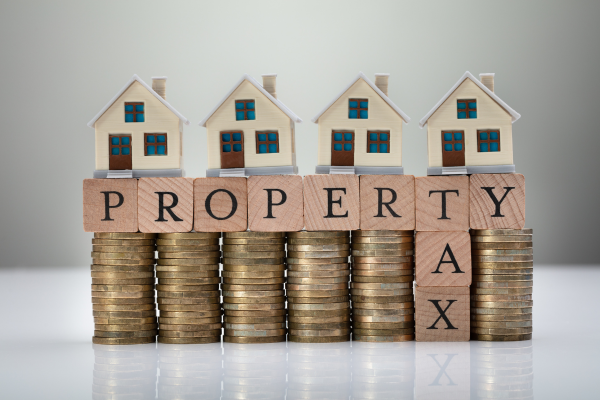
Property tax payments across apartment complexes in Bengaluru have slowed this cycle due to confusion around solid waste management (SWM) charges linked to the filing process. Apartment societies, which typically lead early compliance, are delaying payments as they wait for clearer instructions on how to proceed. Advertisement






The issue is connected to the classification of bulk waste generators, defined as properties producing more than 100 kg of waste daily. Such properties can claim exemptions from certain SWM charges, but only after submitting specific details on waste generation through the civic body's online portal. Many residents have found this process unclear, with limited guidance on how to fill in the required data.
A key challenge is that most housing societies do not maintain records of the quantity of waste generated daily. As a result, residents and managing committees are unsure how to provide accurate figures. In several cases, approximate numbers are being entered, which has increased concerns about possible penalties if the submitted data is later found incorrect.
Financial concerns have also been raised. Some apartment complexes have reported SWM-related charges ranging between INR 40,000 and INR 60,000, leading residents to question how these amounts have been calculated. There is also confusion over responsibility, as waste management is usually handled at the society level, while property tax filings are done by individual flat owners. This mismatch has made compliance more difficult.
The problem is further complicated by the lack of clarity on authorised waste-processing vendors. Residents have pointed out that there is no standard system in place to measure or verify waste generation, making the declaration process less reliable. Earlier, the introduction of user fees for waste collection had already raised concerns among property owners about increased costs, especially in areas where service quality remains inconsistent.
Apartment associations and citizen groups have suggested simplifying the system by allowing more flexible data entry, providing clearer instructions on the portal, and expanding the list of approved vendors. They have also asked for clarity on refund mechanisms for societies that manage waste independently. Reports indicate that around 5,600 bulk waste-generating properties have been identified in the city, showing that the issue affects a large number of taxpayers.
Advertisement













 Facebook
 Whatsapp
