Advertisement










In this episode of Prop Personalities, we sit down with Hars...
Luxury real estate is one of the most talked-about segments ...
Welcome to Prop Personalities by Prop News Time - a podcast ...
Airports play a much bigger role than just enabling travel -...
Why does the same hotel brand operate multiple properties in...
Mumbai has initiated a large slum cluster redevelopment plan covering 19 locations across the city, focusing on integrated development instead of fragmented projects. The scheme targets areas above 50 acres with over 51 per cent slum coverage and is expected to benefit nearly seven lakh residents. The Slum Rehabilitation Authority (SRA) will act as the nodal agency, with multiple execution routes involving government bodies and private developers. The policy also allows inclusion of complex land parcels, including CRZ areas, to unlock land and improve housing, infrastructure and basic services.
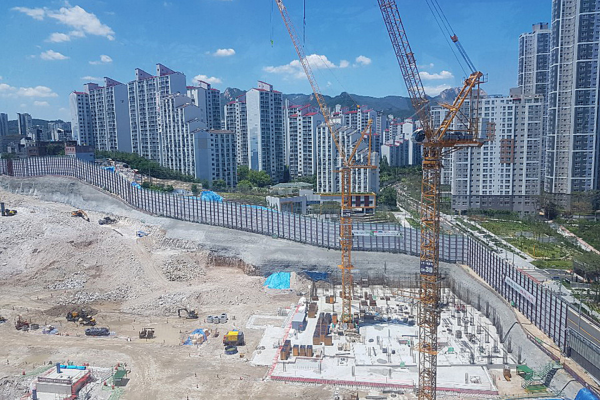
Mumbai has taken forward a large-scale slum redevelopment plan that will cover 19 major clusters across the city, aiming to improve housing conditions through a more planned and integrated approach. The move shifts focus from smaller, individual slum projects to redevelopment of large, continuous land parcels. Advertisement


The identified clusters are spread across areas such as Mankhurd, Govandi, Sion, Wadala, Vikhroli Park Site, Goregaon West, Kandivli West and Borivli East. A key site includes the Gilbert Hill area in Andheri West, where redevelopment is expected to cover close to 100 acres. These locations qualify under the policy as they exceed 50 acres in size and have more than 51 per cent slum occupancy, making them suitable for cluster-based planning.
The Slum Rehabilitation Authority (SRA) has been assigned as the nodal agency to oversee the process. Its role includes identifying eligible clusters, preparing detailed plans and managing approvals. Final decisions will be taken by a state-level high-powered committee. Once land boundaries are finalised, tenders are expected to be issued, allowing participation from both government agencies and private developers.
The scheme provides flexibility in execution. Projects can be implemented directly by government bodies, through competitive bidding where private developers are selected, or by developers who already hold at least 40 per cent of land within a cluster. In cases involving privately owned land, owners may receive a share of the developed area based on applicable FSI norms. Where required, land acquisition provisions may be used, with the cost to be borne by the developer.
A key feature of the policy is the inclusion of different categories of land. This covers government and semi-government plots, along with areas falling under Coastal Regulation Zone norms, subject to approvals. This provision is expected to help unlock land parcels that were earlier difficult to redevelop due to regulatory restrictions.
The cluster-based model addresses challenges seen in earlier slum rehabilitation efforts, where projects often faced delays due to fragmented land ownership, consent issues and lack of infrastructure planning. By treating large areas as single units, the plan allows for better layout design, road access, water supply, sewage systems and open spaces, along with formal housing.
Officials indicated that the scheme is expected to benefit around seven lakh slum dwellers across Mumbai. The approach is also aligned with earlier state-level approvals aimed at accelerating redevelopment and attracting private participation. In addition to housing, the model is expected to support infrastructure upgrades and generate construction activity across multiple locations.

5th Jun, 2025

25th May, 2023

11th May, 2023

27th Apr, 2023
Advertisement





 Facebook
 Whatsapp
