Advertisement










In this episode of Prop Personalities, we sit down with Hars...
Luxury real estate is one of the most talked-about segments ...
Welcome to Prop Personalities by Prop News Time - a podcast ...
Airports play a much bigger role than just enabling travel -...
Why does the same hotel brand operate multiple properties in...
Real estate activity in Dubai has witnessed a decline in transactions and rental demand amid escalating tensions in West Asia, reflecting a temporary impact on investor sentiment. Data indicates that property transactions fell in the early part of the month, while leasing activity also moderated. The slowdown is attributed to geopolitical uncertainty and rising risk perception among global investors. However, the market has continued to demonstrate resilience, supported by underlying demand fundamentals and ongoing project activity. Developers and investors have largely adopted a cautious approach, indicating a wait-and-watch phase rather than a structural downturn. The development highlights the sensitivity of international real estate markets to geopolitical disruptions.
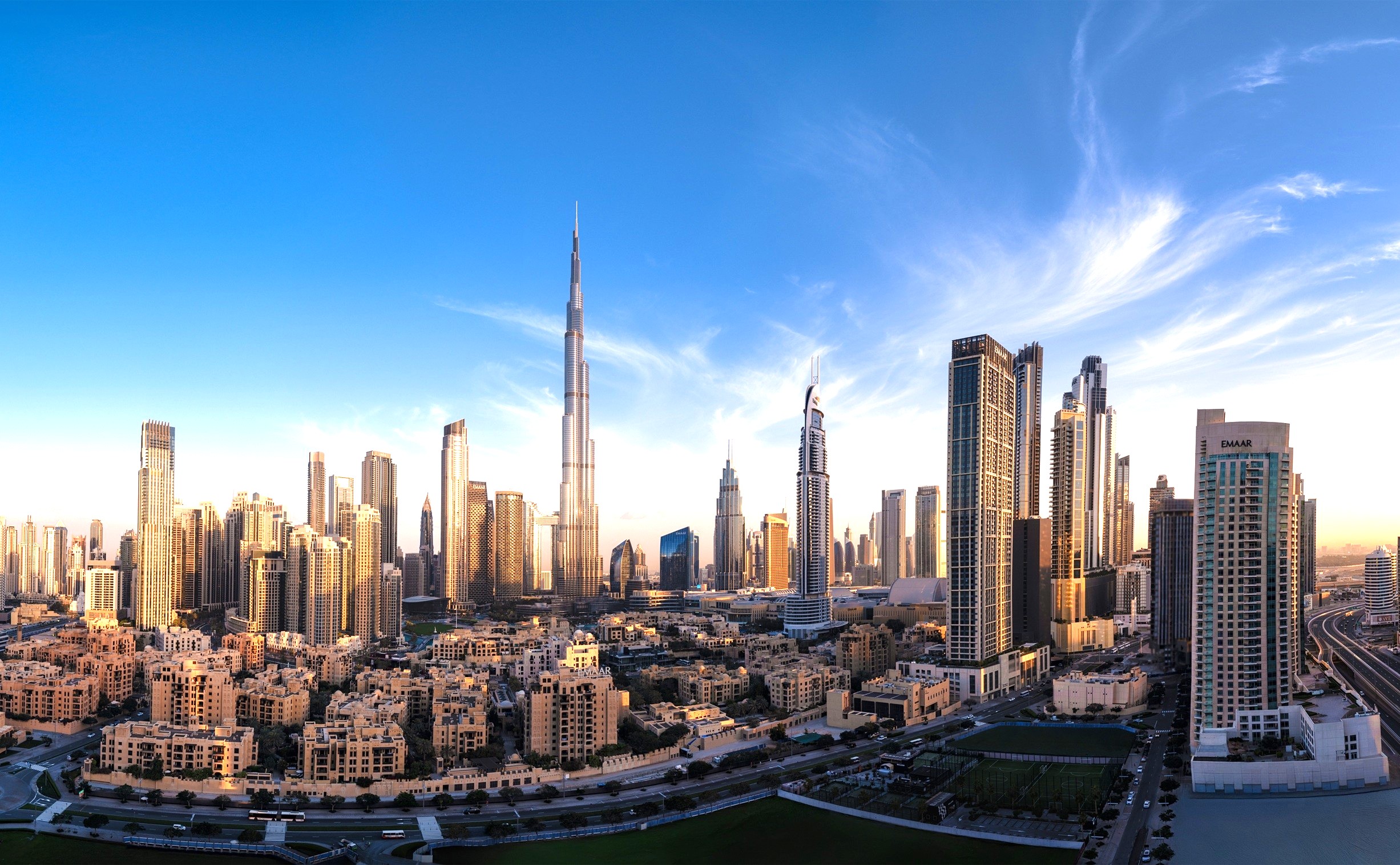
The real estate market in Dubai has shown early signs of moderation in transaction volumes and rental demand amid escalating geopolitical tensions in West Asia, although overall market stability has been maintained, according to recent data and industry observations in the past week. Advertisement


Property transactions in the emirate declined by approximately 14% in the first half of the month compared to the same period a year earlier, indicating a softening in buyer activity. The decline has been linked to rising uncertainty among investors following recent regional developments, including conflict-related disruptions and concerns over security and trade routes.
In addition to lower transaction volumes, demand for new rental properties has also weakened, reflecting a cautious sentiment among both investors and tenants. Market participants have indicated that global investors, who form a significant share of Dubai's property base, are reassessing exposure to the region amid evolving geopolitical risks.
Despite these short-term pressures, the market has continued to demonstrate resilience, with ongoing transactions and project activity indicating that the slowdown is not indicative of a structural decline. Industry observers have suggested that the current phase reflects a temporary adjustment driven by sentiment rather than a fundamental shift in demand.
Dubai's real estate sector has historically been influenced by global capital flows and geopolitical developments, given its positioning as an international investment hub. While recent tensions have affected transaction momentum, long-term drivers such as investor diversification, tax advantages, and established infrastructure continue to support the market.
The broader context includes disruptions in key regional trade routes and heightened tensions involving Iran, which have contributed to volatility in energy markets and investor confidence. These factors have had a cascading effect on sectors such as real estate, tourism, and retail across the Gulf region.
Analysts have noted that investor behaviour is currently characterised by caution, with many adopting a wait-and-watch approach before committing to large-scale investments. However, select transactions, particularly in premium and income-generating assets, continue to be recorded, indicating sustained interest from certain investor segments.
The evolving situation has also prompted comparisons with previous geopolitical events, where Dubai's real estate market experienced temporary slowdowns but recovered as stability returned. Market participants indicated that the duration and intensity of the current conflict will be a key determinant of future trends.
While near-term activity may remain subdued, the underlying fundamentals of Dubai's real estate sector including its role as a global financial and business hub continue to provide a degree of stability. The current phase reflects a sentiment-driven correction rather than a prolonged downturn, with the market expected to respond to changes in geopolitical conditions over the coming months.

5th Jun, 2025

25th May, 2023

11th May, 2023

27th Apr, 2023
Advertisement





 Facebook
 Whatsapp
