Advertisement










In this episode of Prop Personalities, we sit down with Hars...
Luxury real estate is one of the most talked-about segments ...
Welcome to Prop Personalities by Prop News Time - a podcast ...
Airports play a much bigger role than just enabling travel -...
Why does the same hotel brand operate multiple properties in...
The Ministry of Road Transport and Highways has notified revised toll rules for overloaded vehicles on national highways, introducing a graded fee structure linked to excess weight. Under the new framework, vehicles carrying up to 10% excess load will not face penalties, while those exceeding limits by 10-40% will be charged twice the base toll and those above 40% will pay four times. The rules, effective from April 15, mandate the use of certified weighment systems and FASTag-based digital payments. Data on violations will be recorded in the VAHAN database. The policy aims to improve compliance with load norms, reduce road damage, and strengthen monitoring of freight movement across the highway network.
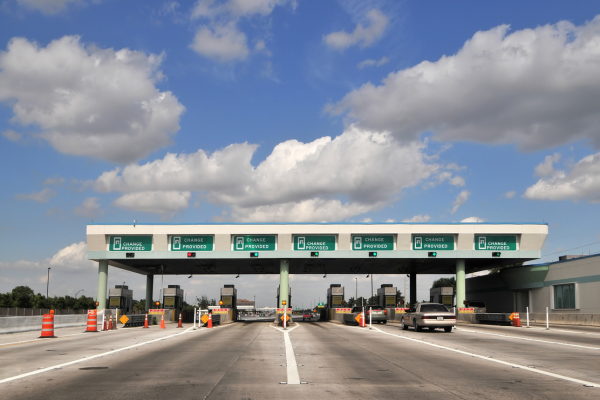
The Ministry of Road Transport and Highways has notified amendments to the National Highways Fee (Determination of Rates and Collection) Rules, introducing a revised framework for toll collection from overloaded vehicles, with charges now linked to the extent of excess load, in a move aimed at improving compliance and protecting highway infrastructure. Advertisement


The amended rules, which will come into effect from April 15, establish a graded penalty structure based on the percentage of overloading beyond the permissible Gross Vehicle Weight (GVW). Vehicles carrying up to 10% excess load will not attract any additional fee. Those exceeding this threshold by up to 40% will be charged twice the base toll rate, while vehicles carrying more than 40% excess load will be required to pay four times the base rate.
To ensure accurate assessment, the rules mandate the installation and use of certified weighment systems at toll plazas to determine vehicle weight. In cases where such facilities are not available, no overload fee will be levied, and only the standard toll will apply.
The revised framework also introduces mandatory digital payment for overload charges through FASTag, aligning with the government's broader push towards electronic toll collection and transparency in highway operations. Details of overloaded vehicles, including the extent of excess load, will be recorded and reported to the national vehicle register, VAHAN, strengthening monitoring and enforcement mechanisms.
The ministry indicated that the changes are intended to discourage overloading, which has been a persistent issue affecting road safety and causing structural damage to highways. By linking penalties directly to the degree of excess load, the revised rules aim to create a proportionate and transparent fee structure.
The provisions will not automatically apply to certain private concession-based highway projects awarded prior to the amendment, unless operators choose to adopt the revised framework.
Overloading of freight vehicles has long been a concern for infrastructure maintenance, as excessive weight accelerates wear and tear on road surfaces and increases the risk of accidents. The introduction of weighment-based tolling and digital reporting is expected to improve compliance and reduce instances of under-reporting.
The updated rules form part of broader efforts to modernise India's highway ecosystem through technology-driven enforcement and standardised processes. By integrating weighment systems with digital tolling and centralised databases, the government aims to streamline freight movement while ensuring adherence to regulatory norms.

5th Jun, 2025

25th May, 2023

11th May, 2023

27th Apr, 2023
Advertisement





 Facebook
 Whatsapp
