Advertisement










In this episode of Prop Personalities, we sit down with Hars...
Luxury real estate is one of the most talked-about segments ...
Welcome to Prop Personalities by Prop News Time - a podcast ...
Airports play a much bigger role than just enabling travel -...
Why does the same hotel brand operate multiple properties in...
The Centre has indicated that the strategic Tanakpur Lipulekh road project in Uttarakhand will be completed within the next year, with Union minister Nitin Gadkari confirming progress on the 370-km corridor. The INR 5,200 crore project, which connects Tanakpur to Lipulekh via Pithoragarh, has seen approximately 200 km already constructed. The remaining stretch faces geographical and logistical challenges but is expected to be completed on an accelerated timeline. The road is expected to improve connectivity to the Lipulekh Pass, which serves as a key route for the Kailash Mansarovar pilgrimage. The development forms part of broader infrastructure upgrades aimed at enhancing border connectivity and reducing reliance on routes through neighbouring countries.
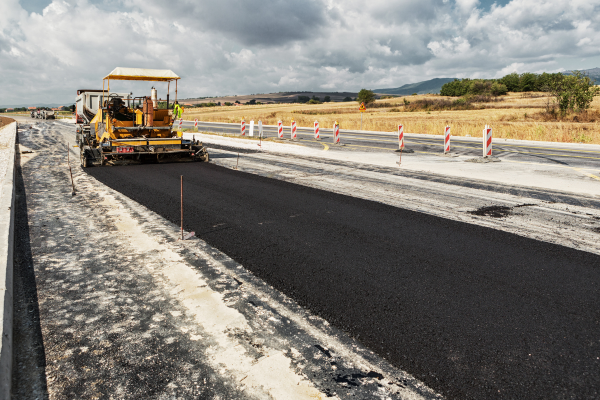
Union Minister for Road Transport and Highways Nitin Gadkari stated in the past week that the Tanakpur Lipulekh road project in Uttarakhand is expected to be completed within the next year, as construction progresses on the strategically significant corridor connecting Tanakpur to Lipulekh via Pithoragarh. Advertisement


The project, with an estimated cost of INR 5,200 crore, spans a total length of around 370 km and is aimed at strengthening connectivity in the border region. Of the total length, approximately 200 km has already been completed, with the remaining 129 km currently under construction, according to the minister.
The road is being developed to provide direct access to Lipulekh Pass, which holds strategic importance as well as religious significance due to its role in facilitating the Kailash Mansarovar Yatra. At present, access to the pilgrimage site often requires transit through Nepal and China, and the new road aims to provide an alternative route within Indian territory.
Speaking at a public function in Dehradun, Gadkari indicated that the remaining stretch of the project presents considerable engineering and logistical challenges due to difficult terrain and environmental conditions. Despite these constraints, efforts are underway to expedite construction and adhere to the targeted completion timeline.
The project is part of broader infrastructure initiatives aimed at improving connectivity in border areas and enhancing accessibility to remote regions of Uttarakhand. Improved road infrastructure is expected to support not only strategic mobility but also local economic activity, including tourism and allied services.
The development also aligns with the government's focus on strengthening last-mile connectivity in hilly and border regions, where terrain-related constraints have historically delayed infrastructure delivery. Projects in such areas often require specialised construction techniques and extended timelines due to weather conditions and geological challenges.
In parallel, multiple highway and connectivity projects are being undertaken across Uttarakhand to improve regional mobility. These include expressway and corridor developments aimed at reducing travel time between major urban centres and enhancing access to religious and tourism destinations.
Officials indicated that once completed, the Tanakpur Lipulekh road will provide a more direct and reliable route to the border, reducing travel dependency on external corridors. The project is also expected to contribute to improved disaster response capabilities and year-round connectivity in the region.
The progress of the project reflects ongoing efforts to expand India's highway network into strategically important areas, with a focus on balancing infrastructure development with environmental and terrain-related constraints.

5th Jun, 2025

25th May, 2023

11th May, 2023

27th Apr, 2023
Advertisement





 Facebook
 Whatsapp
