Advertisement










In this episode of Prop Personalities, we sit down with Hars...
Luxury real estate is one of the most talked-about segments ...
Welcome to Prop Personalities by Prop News Time - a podcast ...
Airports play a much bigger role than just enabling travel -...
Why does the same hotel brand operate multiple properties in...
The United States has initiated a naval blockade targeting Iranian ports, marking a significant escalation in the ongoing geopolitical conflict in the Middle East. The enforcement, which began in the past week, applies to vessels entering or leaving Iranian coastal infrastructure across the Persian Gulf and Gulf of Oman, while allowing transit through the Strait of Hormuz for non-Iran-bound traffic. The move follows the collapse of diplomatic negotiations between the two countries and is aimed at restricting Iran's oil exports and economic activity. The development has triggered concerns over global energy supply disruptions, with oil prices reacting sharply and maritime traffic facing increased scrutiny. The blockade is expected to have implications for international shipping, logistics, and trade flows, particularly across Asia-bound energy corridors.
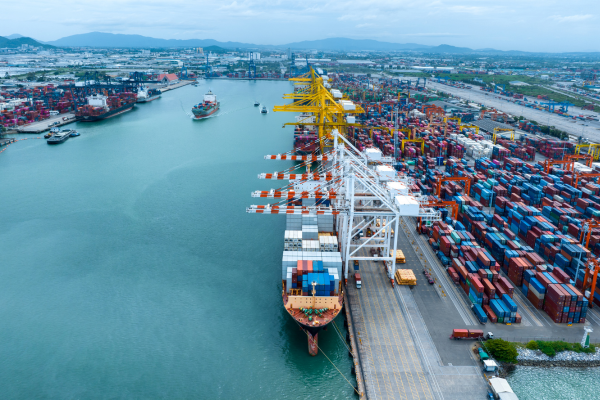
The United States Navy initiated a maritime blockade on Iranian ports in the past week, enforcing restrictions on vessels entering or exiting Iran's coastal infrastructure, in a move aimed at curbing the country's oil exports and increasing economic pressure amid ongoing geopolitical tensions. The blockade came into effect following the failure of diplomatic talks between the United States and Iran, with enforcement beginning at a designated time under directives issued by the US administration. Advertisement


The blockade applies to maritime traffic associated with Iranian ports across the Persian Gulf and Gulf of Oman, with US Central Command indicating that vessels of all nationalities would be subject to interception if they attempt to engage with Iranian port infrastructure. However, authorities clarified that the measure would not impede the passage of ships transiting through the Strait of Hormuz en route to non-Iranian destinations, thereby maintaining partial continuity in global shipping flows.
The development follows the collapse of negotiations held in Islamabad, which had aimed to reach a diplomatic resolution to the ongoing conflict. With talks failing to produce an agreement, the blockade has been positioned as an economic and strategic measure intended to limit Iran's access to global markets, particularly by targeting its oil export channels.
From a logistics and infrastructure perspective, the Strait of Hormuz remains a critical maritime chokepoint, handling a significant share of global oil and gas shipments. Disruptions or restrictions in this corridor have immediate implications for international trade flows, especially for energy-importing regions. Reports indicate that the blockade could impact millions of barrels of daily oil movement, tightening global supply and increasing volatility in energy markets.
Operationally, the United States has deployed naval assets, including advanced destroyers, to enforce the blockade and monitor maritime traffic in the region. Additional measures such as inspections, route monitoring, and possible interception of non-compliant vessels are expected to form part of the enforcement framework.
The move has also triggered geopolitical reactions, with Iran warning of retaliatory measures and describing the blockade as unlawful. Concerns have been raised regarding the potential for escalation, particularly given the strategic importance of regional ports and shipping routes.
For global logistics and infrastructure stakeholders, the blockade introduces uncertainty in maritime trade, particularly for crude oil and related commodities. Shipping operators may face rerouting challenges, increased insurance costs, and heightened security protocols while operating in or near the affected waters.
The enforcement of the blockade reflects the intersection of geopolitical developments with global logistics infrastructure, where strategic maritime corridors play a central role in trade continuity. As the situation evolves, its impact is expected to extend beyond regional boundaries, influencing shipping patterns, energy markets, and international supply chains.

5th Jun, 2025

25th May, 2023

11th May, 2023

27th Apr, 2023
Advertisement





 Facebook
 Whatsapp
