Advertisement






Private equity has played a significant role in shaping Indi...
In today’s real estate landscape, fitness is often treated...
In this episode of Prop Personalities, we sit down with Hars...
Luxury real estate is one of the most talked-about segments ...
Welcome to Prop Personalities by Prop News Time - a podcast ...
Housing activity in the United Kingdom showed some improvement as mortgage approvals rose to a four-month high, reflecting steady buyer interest despite economic uncertainty. Data from the Bank of England indicated that home loans, along with unsecured consumer borrowing, increased more than expected. While borrowing demand remained active, concerns around rising mortgage costs, weak sentiment and possible interest rate changes continue to affect the market outlook. Modest house price growth has also been reported, but experts remain cautious about how long this trend can continue.
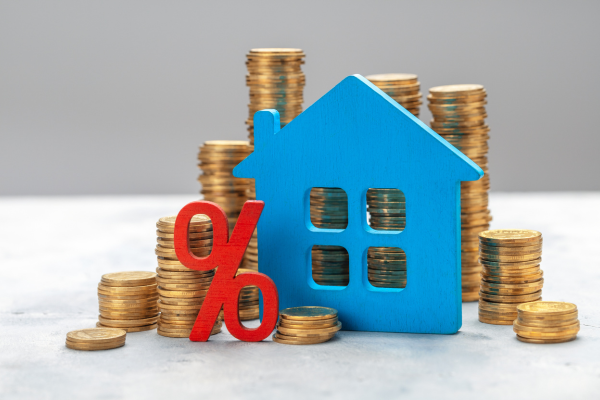
Mortgage approvals in the United Kingdom increased to their highest level in four months, showing that housing demand remained stable despite ongoing economic concerns. Data released by the Bank of England showed that lenders approved 63,531 home loans in March, compared to 62,708 approvals in February. The figure was higher than market expectations and marked a recovery after a relatively slower start to the year. Advertisement






Mortgage approvals are an important indicator of future housing sales, and the latest rise suggests that buyers are still moving ahead with property purchases. Earlier in the year, approvals had dropped close to 60,000, reflecting cautious sentiment among homebuyers due to affordability concerns and uncertainty around interest rates. The recent increase indicates some improvement in confidence, although conditions remain mixed.
At the same time, borrowing activity outside housing also picked up. Net unsecured consumer lending rose by GBP 1.895 billion, equivalent to about USD 2.58 billion, exceeding expectations. The annual growth rate of consumer credit reached 8.9%, the fastest pace seen since early 2024. This shows that households are continuing to rely on credit, even as borrowing costs remain elevated.
Despite the rise in approvals, overall market sentiment is still under pressure. Concerns linked to global geopolitical tensions, inflation and higher energy costs have weighed on consumer confidence. Reports from property surveyors have pointed to a slowdown in buyer enquiries in recent months, indicating that demand is not uniformly strong across the market.
House price trends, however, have shown some stability. Separate data from Nationwide Building Society indicated that prices increased by around 3% on an annual basis in April. This suggests that while demand has softened in some areas, there is still enough activity to support moderate price growth. However, this growth remains uneven, with some regions seeing slower movement compared to others.
Market participants believe that part of the recent rise in mortgage approvals may be due to buyers trying to secure deals before borrowing costs increase further. Expectations of possible interest rate changes by the central bank have influenced decision-making, with some buyers choosing to act earlier rather than delay purchases. Lenders have also adjusted their mortgage offerings in response to changing rate expectations, which has impacted borrowing patterns.
Looking at the broader trend, the UK housing market has been going through a phase of adjustment after the volatility seen over the past few years. Periods of rising interest rates had earlier reduced affordability and slowed transaction volumes. While current data points to some stabilisation, affordability pressures and income constraints continue to limit strong growth in housing demand.
Source Reuters

5th Jun, 2025

25th May, 2023

11th May, 2023

27th Apr, 2023
Advertisement









 Facebook
 Whatsapp
