Advertisement






What really powers the cloud? Behind every Google search, A...
A lot of what defines a home isn’t visible at handover. I...
Private equity has played a significant role in shaping Indi...
Luxury real estate is one of the most talked-about segments ...
Airports play a much bigger role than just enabling travel -...
AmpereHour Energy has partnered with Organo Eco Habitats to implement a centralised battery energy storage system at the Organo Antharam residential community in Chevella, Hyderabad. The project, positioned as India’s first such deployment in a housing development, integrates solar power, grid supply, and battery storage to enable continuous energy access. The system, with a capacity of 500 KVA/608 kWh, supports the community’s broader net-zero energy goals and reduces reliance on conventional power sources, including diesel generators, reflecting a shift towards sustainability-led residential planning.
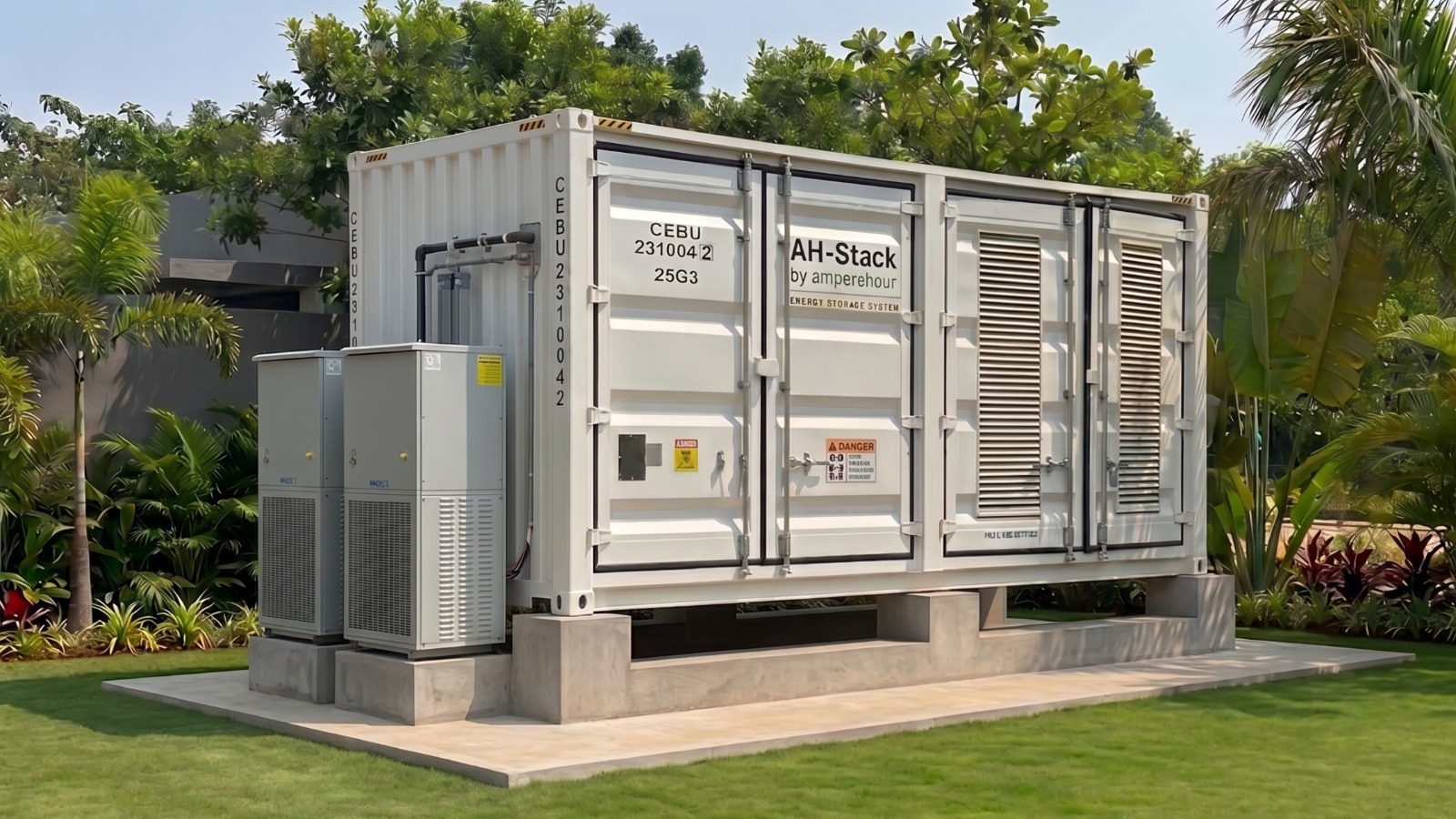
AmpereHour Energy and Organo Eco Habitats have implemented a centralised Battery Energy Storage System (BESS) at the Organo Antharam residential development in Chevella, Hyderabad, in the past week, marking a shift towards integrated energy infrastructure in housing projects. The initiative is positioned as a first-of-its-kind deployment in a residential community in India, aimed at supporting uninterrupted and sustainable energy usage. Advertisement






The Organo Antharam project has been designed around a sustainability-led planning approach, drawing from traditional village-based living models while incorporating modern infrastructure. Located in Chevella, the development integrates residential planning with environmental considerations, with a focus on reducing dependence on conventional energy systems.
At the core of the project is a 500 KVA/608 kWh battery energy storage installation, which manages power supply across the community. The system integrates multiple energy sources, including solar photovoltaic generation, grid electricity, and stored battery power, enabling a coordinated and continuous supply of electricity across residential and common infrastructure.
The deployment replaces the need for conventional diesel-based backup systems, reducing emissions and operational noise while maintaining reliability. The integrated system is designed to ensure consistent power availability, even during fluctuations in grid supply, supporting uninterrupted residential usage.
According to Ayush Misra, co-founder and chief executive officer of AmpereHour Energy, the project establishes a reference point for energy infrastructure in residential developments, with the system functioning as a comprehensive energy management solution rather than a conventional backup arrangement. He indicated that the model demonstrates how residential communities can transition towards cleaner and more reliable power systems.
Rakesh Koti, head of sustainability and business development at Organo Eco Habitats, stated that energy planning was a key component in the project’s sustainability framework. He noted that the company had approached sustainability as an integrated system, covering land use, water management, and built environment, with energy infrastructure forming a critical part of that strategy. The partnership with AmpereHour Energy enabled the development of a system designed for long-term efficiency and operational stability.
The project reflects a broader trend in residential real estate, where developers are incorporating energy infrastructure into the planning stage to align with sustainability targets and evolving regulatory expectations. With increasing focus on reducing carbon emissions and improving energy resilience, such systems are being evaluated as part of integrated township developments.
The implementation at Organo Antharam indicates growing adoption of advanced energy storage technologies within residential communities, particularly in projects positioned around sustainability and self-sufficiency.

5th Jun, 2025

25th May, 2023

11th May, 2023

27th Apr, 2023
Advertisement









 Facebook
 Whatsapp
