Advertisement










Private equity has played a significant role in shaping Indi...
In today’s real estate landscape, fitness is often treated...
In this episode of Prop Personalities, we sit down with Hars...
Luxury real estate is one of the most talked-about segments ...
Welcome to Prop Personalities by Prop News Time - a podcast ...
The Centre has proposed an INR 18,500 crore elevated corridor through the Nallamala forest to improve access to the Srisailam temple. The 86.7 km project across Andhra Pradesh and Telangana is aimed at easing traffic, improving safety, and enabling round-the-clock travel in a stretch currently restricted at night. Designed with eco-sensitive features, the corridor will pass through protected tiger reserve areas with minimal ground disturbance. The proposal is under review, with forest clearances and detailed reports awaited before the project moves to the next stage.
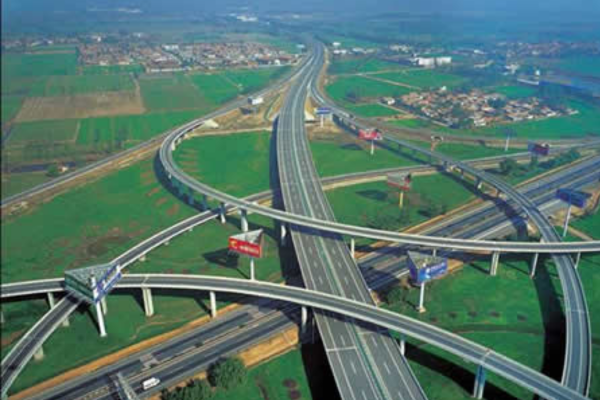
The Centre has proposed an elevated corridor with an investment of INR 18,500 crore to improve connectivity to the Srisailam temple, passing through the Nallamala forest region. The project is being planned as a long-term solution to manage increasing pilgrimage traffic while maintaining environmental balance in one of the country’s most sensitive forest zones. Advertisement


The corridor is expected to cover about 86.7 km, with nearly equal stretches in Andhra Pradesh and Telangana. It will pass through protected areas including the Nagarjunasagar-Srisailam Tiger Reserve and the Amrabad Tiger Reserve. Due to the ecological sensitivity of these regions, the project design focuses on minimising disturbance to wildlife and forest land.
At present, vehicle movement through this forest stretch is restricted during night hours to protect wildlife, especially large animals like tigers. This restriction often leads to congestion during peak travel periods and festival seasons. The existing ghat road, which connects to Srisailam, has sharp curves and is considered accident-prone, creating safety concerns for both pilgrims and regular commuters.
The elevated corridor is being planned to allow uninterrupted travel throughout the day, including night movement under controlled conditions. Officials indicated that the structure will largely consist of elevated viaducts with limited entry and exit points. The use of long-span construction and fewer ground-level interventions is expected to reduce the project’s ecological footprint and allow natural movement of wildlife below the structure.
Authorities have also indicated that the design may include features such as regulated speed systems, surveillance, and restricted access to ensure both safety and environmental protection. These measures are being considered to avoid issues that currently arise due to heavy traffic and unregulated movement on the existing road.
The government has sought inputs from the forest departments of both Andhra Pradesh and Telangana, as the project requires multiple environmental and wildlife clearances. Based on these inputs, the National Highways Authority of India is expected to prepare a detailed project report, which will then be submitted to the Ministry of Road Transport and Highways for further approvals.
The proposal also aligns with the Centre’s broader push to improve pilgrimage infrastructure across the country, where last-mile connectivity and safer travel routes have been key focus areas. Similar initiatives in the past have aimed to reduce travel time and improve access to major religious destinations while managing large volumes of visitors.

5th Jun, 2025

25th May, 2023

11th May, 2023

27th Apr, 2023
Advertisement





 Facebook
 Whatsapp
