Advertisement






What really powers the cloud? Behind every Google search, A...
A lot of what defines a home isn’t visible at handover. I...
Private equity has played a significant role in shaping Indi...
Luxury real estate is one of the most talked-about segments ...
Airports play a much bigger role than just enabling travel -...
Micro-markets across New Gurugram are emerging as key growth drivers in the National Capital Region’s residential and commercial real estate landscape, supported by expanding infrastructure and rising end-user demand. The region, particularly along the Dwarka Expressway and Southern Peripheral Road, has seen increased development activity, with Gurugram accounting for nearly 73 per cent of NCR housing launches in the past quarter. Improved connectivity, metro expansion plans, and proximity to Indira Gandhi International Airport have strengthened its appeal. Mid-segment housing continues to dominate supply, while commercial leasing and warehousing activity have reinforced Gurugram’s position as a multi-sector hub, contributing to sustained demand across evolving micro-markets.
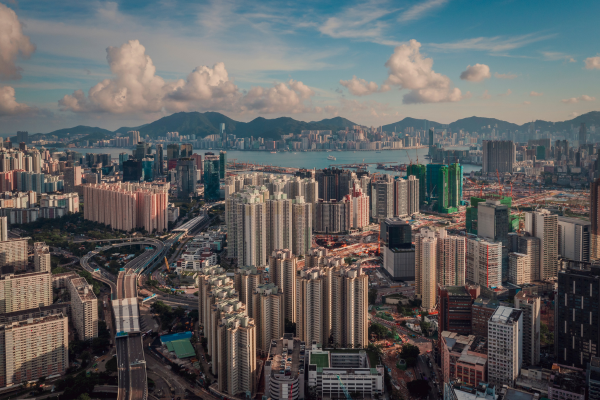
Gurugram’s real estate market has witnessed a structural shift in recent quarters, with emerging micro-markets in New Gurugram gaining traction due to infrastructure-led development, increased housing demand, and expanding commercial activity across key corridors such as the Dwarka Expressway and Southern Peripheral Road. Advertisement






Data from Cushman & Wakefield indicated that Gurugram accounted for nearly 73 per cent of all residential launches in the NCR during the first quarter of 2026, underscoring its continued dominance in the region’s housing market. The city also strengthened its position as a logistics and industrial hub, contributing approximately 39 per cent of annual warehouse leasing activity in NCR during 2025.
The expansion of road and transport infrastructure has played a central role in this shift. The operationalisation of the Dwarka Expressway has enhanced connectivity between Delhi and Gurugram while easing congestion on NH-48. Planned metro extensions and improved access to Indira Gandhi International Airport have further supported residential demand, particularly among end users prioritising connectivity and long-term liveability.
Micro-markets such as Sector 88A have emerged as examples of infrastructure-driven growth. Industry stakeholders indicated that the sector benefits from its location along a high-capacity expressway corridor, offering direct access to major commercial districts and transport nodes. Planned transit-oriented developments, including metro connectivity, are expected to further improve accessibility and support residential demand in the area.
Residential supply trends reflect a shift towards end-user-driven demand. Mid-segment housing accounted for more than 60 per cent of total launches during the quarter, indicating improved affordability and readiness of infrastructure. At the same time, developers have continued to introduce high-end residential projects to cater to premium buyers.
Commercial real estate activity has also reinforced Gurugram’s growth trajectory. The city accounted for 54 per cent of office leasing in the fourth quarter of 2025 and recorded rental growth in the range of 12 to 15 per cent, reflecting sustained demand from occupiers. This has supported the development of integrated micro-markets offering both residential and commercial infrastructure.
Established sectors such as Sector 15 continue to complement emerging corridors by offering developed social infrastructure and proximity to business districts. Industry participants noted that homebuyers are increasingly prioritising immediate usability, including access to workplaces, healthcare, education, and retail facilities, over speculative future potential.
Similarly, central locations such as Sector 16 have seen increased attention due to their proximity to commercial hubs and established connectivity networks. These areas are positioned to absorb demand organically while supporting decentralised urban growth beyond traditional corridors.
The broader pattern across Gurugram indicates that infrastructure development has preceded real estate expansion, enabling new geographies such as sectors 63 and 89 to become more accessible and viable for residential and commercial projects. This approach has supported a more distributed growth model across the city.
As legacy corridors face saturation and rising prices, New Gurugram is emerging as an alternative growth zone, supported by land availability, infrastructure readiness, and expanding developer presence. The region’s integration with key parts of Gurugram, alongside ongoing project activity, continues to attract both end users and investors, reinforcing its role in the city’s evolving real estate landscape.

5th Jun, 2025

25th May, 2023

11th May, 2023

27th Apr, 2023
Advertisement









 Facebook
 Whatsapp
