Advertisement






What really powers the cloud? Behind every Google search, A...
A lot of what defines a home isn’t visible at handover. I...
Private equity has played a significant role in shaping Indi...
Luxury real estate is one of the most talked-about segments ...
Airports play a much bigger role than just enabling travel -...
The Greater Chennai Corporation has announced new composting projects to improve solid waste management and reduce pressure on landfill sites. The plan includes a large windrow composting facility at Perungudi and smaller decentralised units in Manali. With the city generating over 6,000 tonnes of waste daily, the focus is on processing biodegradable waste closer to the source, lowering transport costs and cutting emissions. The initiative builds on ongoing biomining work and segregation efforts, though execution and enforcement remain key challenges.
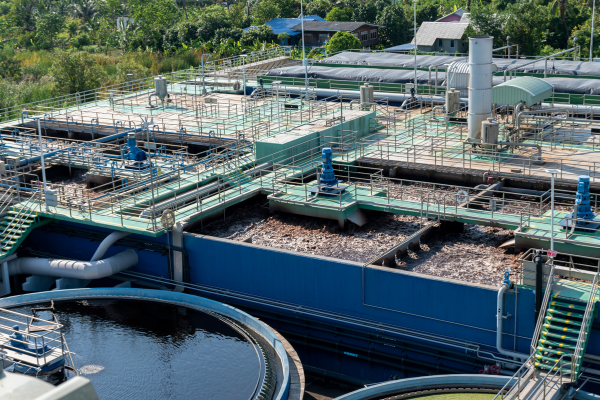
The Greater Chennai Corporation has rolled out a set of composting initiatives to strengthen its solid waste management system and handle growing volumes of biodegradable waste across the city. Advertisement






As part of the plan, a large windrow composting facility is proposed at Perungudi with a processing capacity of about 1,000 tonnes per day. In addition, two smaller composting units, each capable of handling around 50 tonnes per day, are planned in Manali. Officials have indicated that these projects will be developed on available or reclaimed land and may be implemented through public-private partnership models to improve efficiency and reduce operational burden on the civic body.
Windrow composting is a method where organic waste is processed in long rows under controlled conditions, allowing it to decompose into compost. Civic officials stated that this approach will help convert biodegradable waste into usable manure, which can be used for landscaping and other purposes. It is also expected to reduce the amount of waste sent to landfills and lower methane emissions generated from untreated organic waste.
Chennai generates more than 6,000 tonnes of solid waste every day, making decentralised processing a necessary step. The corporation is focusing on treating waste closer to where it is generated, which can reduce transportation costs, improve collection efficiency, and minimise the load on large dumping yards such as Perungudi and Kodungaiyur.
The initiative also builds on earlier waste management efforts in the city. Biomining work has been ongoing at several dump yards, including Athipattu, where legacy waste is being cleared in phases to reclaim land and reduce environmental risks. At the same time, smaller decentralised composting centres and biomethanation plants are already operational in several zones, processing organic waste at the ward level.
Officials have also highlighted that better segregation at source remains critical for the success of these projects. Updated waste management rules require households and commercial establishments to separate waste into multiple categories, but enforcement has been uneven so far. Without proper segregation, the efficiency of composting facilities can be affected.
Past experience with similar facilities has shown concerns from nearby residents, mainly related to odour and maintenance. This has led to a greater focus on ensuring proper monitoring, timely waste processing, and improved operational practices in upcoming projects.
For more similar or related stories, you can check the links below.
https://propnewstime.com/getdetailsStories/Mjg5NTU=/chennai-corporation-rolls-out-inr-35-crore-lake-rejuvenation-plan-with-blue-green-infrastructure-focu

5th Jun, 2025

25th May, 2023

11th May, 2023

27th Apr, 2023
Advertisement









 Facebook
 Whatsapp
