Advertisement










Private equity has played a significant role in shaping Indi...
In today’s real estate landscape, fitness is often treated...
In this episode of Prop Personalities, we sit down with Hars...
Luxury real estate is one of the most talked-about segments ...
Welcome to Prop Personalities by Prop News Time - a podcast ...
The Philippines has decided to continue its moratorium on new coal power projects, even as concerns rise over energy security due to geopolitical tensions. The government said existing approved projects and contracts are sufficient to meet current needs. Authorities are also reviewing older coal plants for possible retirement due to reliability and cost issues. The policy, first introduced to reduce carbon emissions and push clean energy adoption, remains unchanged. The move reflects a continued focus on balancing affordability, supply stability, and long-term sustainability in the country’s energy planning.
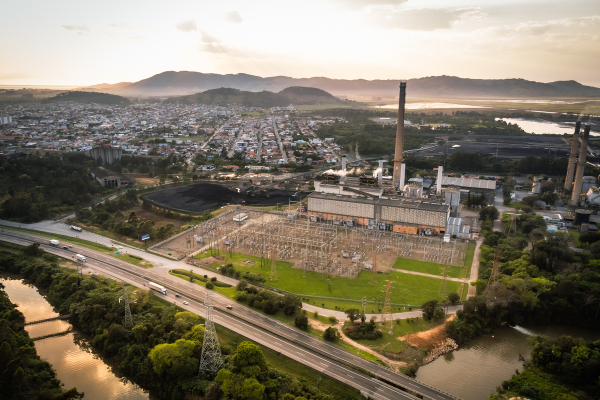
The Philippines has maintained its moratorium on new coal-fired power projects, despite growing concerns from industry groups over energy security risks linked to ongoing geopolitical tensions in the Middle East. Advertisement


Energy Secretary Sharon Garin stated during a recent media briefing that there was no need to lift the restriction. She indicated that while there may be a requirement for more affordable electricity sources, including coal, the country can rely on existing agreements and approved capacity to meet demand. She added that projects with permits secured before 2019 would still be allowed to proceed or be completed.
The Department of Energy (DOE) is currently evaluating operational coal-fired plants, particularly those facing reliability challenges or resulting in higher long-term costs for consumers. As part of this review, the government is assessing which previously approved projects remain viable and which may no longer move forward.
The moratorium was first introduced in 2020 as part of the Philippines’ broader strategy to reduce carbon emissions and shift towards cleaner energy sources. Since then, the country has been working to increase the share of renewables in its energy mix while managing the transition without disrupting supply.
In recent months, business groups had raised concerns that global uncertainties, especially in energy supply chains, could impact domestic electricity availability and pricing. However, the government’s current stance suggests confidence in existing infrastructure and pipeline projects to support demand.
The Philippines continues to rely on coal as a significant part of its energy mix, but policy direction remains focused on gradually reducing dependence while ensuring cost stability for consumers.
Source Reuters

5th Jun, 2025

25th May, 2023

11th May, 2023

27th Apr, 2023
Advertisement





 Facebook
 Whatsapp
