Advertisement










Private equity has played a significant role in shaping Indi...
In today’s real estate landscape, fitness is often treated...
In this episode of Prop Personalities, we sit down with Hars...
Luxury real estate is one of the most talked-about segments ...
Welcome to Prop Personalities by Prop News Time - a podcast ...
Ongoing repair and reconstruction of five key bridges between Byculla and Sion has disrupted traffic across Mumbai’s island city. The closure of major flyovers and partial restrictions on others have diverted vehicles onto internal roads, increasing congestion and travel time. Areas such as Dadar, Parel and Byculla are seeing consistent slow movement, especially during peak hours. The works are part of efforts to replace ageing structures and improve safety. While authorities have planned phased reopenings, the current situation is expected to continue until critical sections are completed.
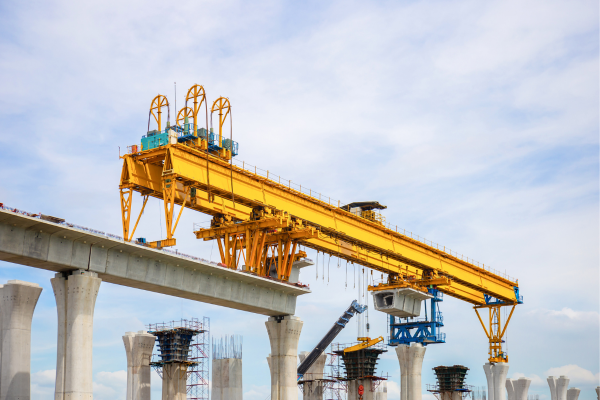
Traffic movement across Mumbai’s island city remains under pressure due to ongoing work on five important bridges between Byculla and Sion. Multiple closures and restrictions have led to a shift of vehicles onto smaller internal roads, affecting daily commuting patterns across central and south Mumbai. Advertisement


The shutdown of key structures, including the Sion flyover and Elphinstone Road flyover, along with partial restrictions on the Parel TT flyover, has created bottlenecks across major junctions. Vehicles that earlier used these routes are now being diverted through Dadar, Lalbaug, Byculla and adjoining stretches, where road capacity is limited. This has increased travel time, particularly during office hours, with slow-moving traffic reported across several connecting roads.
Traffic officials have been managing diversions, but the volume of vehicles moving through these alternate routes has made regulation difficult. BEST buses and commercial vehicles are also facing delays, adding to overall congestion. Commuters travelling between south Mumbai and central suburbs are among the most affected, as these bridges serve as key connectors in this corridor.
The situation is further impacted by parallel infrastructure work in nearby areas. Road widening, utility shifting and ongoing bridge-related construction in pockets of Byculla and Dadar have reduced available carriage space. In some stretches, barricading and lane closures have added to the slowdown.
Civic authorities have clarified that the work involves reconstruction and strengthening of ageing bridges, some of which are several decades old and no longer meet current safety and load requirements. These upgrades are necessary to support increasing traffic volumes and ensure long-term structural stability.
As per current plans, certain sections are expected to reopen in phases. A key rail overbridge at Sion is likely to become operational by mid-August, which may ease traffic pressure on nearby roads. Until then, congestion is expected to continue, especially during peak hours.
Mumbai’s island city has limited road expansion capacity, making such infrastructure upgrades complex to execute without disruption. Past bridge reconstruction projects in the city have followed similar patterns, where temporary closures led to short-term congestion but improved connectivity after completion.

5th Jun, 2025

25th May, 2023

11th May, 2023

27th Apr, 2023
Advertisement





 Facebook
 Whatsapp
