Advertisement






What really powers the cloud? Behind every Google search, A...
A lot of what defines a home isn’t visible at handover. I...
Private equity has played a significant role in shaping Indi...
Luxury real estate is one of the most talked-about segments ...
Airports play a much bigger role than just enabling travel -...
The expansion of Bengaluru’s metro network, particularly the operational Yellow Line and the upcoming Pink Line, is expected to significantly accelerate real estate activity across key micro-markets, according to a report by Colliers India. Improved connectivity across South and Central Bengaluru is likely to drive 5–7 million sq ft of Grade A office demand over the next two years, alongside a similar quantum of new supply. Residential markets are also set to benefit, with property prices in select localities projected to rise by up to 40% by 2027, supported by stronger accessibility and developer activity. Industrial and warehousing demand is expected to see an additional 1–2 million sq ft uptake in clusters linked to these corridors. The report highlights that metro-led infrastructure continues to play a central role in shaping Bengaluru’s urban expansion, strengthening its position as one of India’s most dynamic real estate markets.
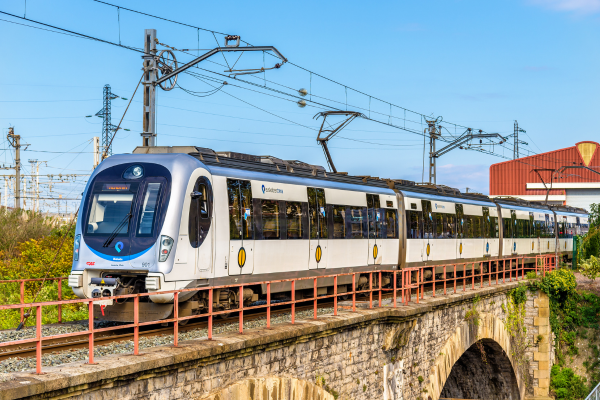
The ongoing expansion of Bengaluru’s metro network is expected to reshape the city’s real estate landscape, with the Yellow and Pink Lines emerging as key catalysts for growth across residential, commercial and industrial segments. Advertisement






According to Colliers India, the operational Yellow Line connecting RV Road to Bommasandra has already improved connectivity to major employment hubs such as Electronic City, while the Pink Line—linking Kalena Agrahara to Nagawara—is expected to become operational in phases over the next year. These developments are likely to significantly reduce commute times and enhance accessibility across central and southern parts of the city.
The report indicates that office markets across Central Business District (CBD) areas, Secondary Business District (SBD) locations and Electronic City are set to witness cumulative demand of 5–7 million sq ft over the next two years. New supply is expected to match this demand, taking total Grade A office stock in these micro-markets to nearly 40 million sq ft by 2027. Rentals are also projected to increase by 5–10%, driven by improved connectivity and occupier interest.
Residential real estate is expected to see equally strong momentum. Localities along the Yellow Line, such as Electronic City, have already recorded significant price appreciation, while areas along the Pink Line—including Bannerghatta Road and JP Nagar—are witnessing rising demand and new project launches. Overall, housing prices in key micro-markets are projected to increase by up to 40% over the next few years, supported by infrastructure-led growth.
Industrial and warehousing segments are also expected to benefit, with an estimated 1–2 million sq ft of additional demand anticipated in clusters such as Bommasandra, Jigani, Attibele and Anekal. Improved metro connectivity is likely to enhance workforce mobility and logistics efficiency, making these locations more attractive for occupiers.
Looking ahead, the proposed Blue Line connecting Silk Board to Kempegowda International Airport is expected to further unlock development potential in the Outer Ring Road and North Bengaluru corridors. With multiple metro lines becoming operational in phases, infrastructure development is set to remain a key driver of the city’s real estate growth trajectory.

5th Jun, 2025

25th May, 2023

11th May, 2023

27th Apr, 2023
Advertisement









 Facebook
 Whatsapp
