Advertisement






What really powers the cloud? Behind every Google search, A...
A lot of what defines a home isn’t visible at handover. I...
Private equity has played a significant role in shaping Indi...
Luxury real estate is one of the most talked-about segments ...
Airports play a much bigger role than just enabling travel -...
The Jaipur Municipal Corporation has intensified enforcement action against road encroachments across key urban corridors, targeting illegal structures and unauthorised vendors occupying carriageways and footpaths. The drive, conducted across multiple locations in the city, aims to reduce traffic congestion and improve pedestrian safety. The initiative forms part of a broader urban management strategy focused on maintaining road infrastructure and ensuring unobstructed movement. Authorities have indicated that the action will continue through regular monitoring and enforcement measures to prevent re-encroachment. The development comes amid ongoing concerns around traffic bottlenecks and the need for sustained civic intervention across Jaipur’s road network.
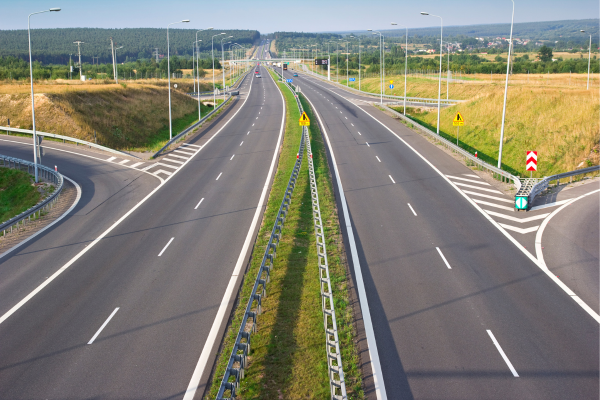
The Jaipur Municipal Corporation has undertaken a targeted enforcement drive to remove encroachments from key road stretches across the city, aiming to ease traffic congestion and improve pedestrian movement. The action, carried out earlier this week, focused on clearing unauthorised structures and informal vending activities occupying public road space. Advertisement






The encroachment removal drive was conducted across several high-traffic corridors where footpaths and carriageways had been partially or fully occupied, resulting in bottlenecks and reduced road capacity. Civic officials stated that the exercise was part of an ongoing effort to restore road infrastructure for its intended use and enhance overall urban mobility.
The initiative is aligned with broader city-level efforts to improve traffic flow and maintain civic infrastructure amid rising vehicular density. Encroachments along roads and pavements have been identified as a key contributor to congestion, particularly in commercial and mixed-use areas where informal activity often expands onto public land.
During the drive, municipal teams removed temporary and semi-permanent structures and cleared obstructions from footpaths to facilitate pedestrian access. The action also included confiscation of materials and warnings against future violations, with authorities indicating that repeated offences would invite stricter penalties.
Officials indicated that the exercise would be followed by regular inspections and monitoring to ensure that cleared areas remain free of encroachments. The civic body has also emphasised the need for sustained enforcement, given that previous drives have seen re-encroachment over time.
The move comes amid increased focus on urban traffic management and infrastructure utilisation in Jaipur, where road expansion and mobility projects are often constrained by encroachments. In several cases, planned infrastructure upgrades, including road widening and underpass development, have faced delays or reduced effectiveness due to encroached approach roads.
The enforcement action is also linked to broader directives from judicial and administrative bodies, which have called for stricter removal of encroachments to ensure public safety and compliance with urban planning norms. Recent interventions have emphasised the need for coordinated action between municipal authorities and development agencies to maintain road corridors.
Jaipur’s civic administration has been undertaking periodic anti-encroachment drives as part of its mandate to manage public spaces and infrastructure. The current initiative reflects a continued push towards maintaining road discipline and improving accessibility in high-density urban areas.
Authorities have indicated that such drives will be sustained in phases, with a focus on critical corridors where congestion levels remain high. The objective is to ensure that road infrastructure is utilised efficiently, supporting smoother traffic flow and safer pedestrian movement across the city.

5th Jun, 2025

25th May, 2023

11th May, 2023

27th Apr, 2023
Advertisement









 Facebook
 Whatsapp
