Advertisement










Private equity has played a significant role in shaping Indi...
In today’s real estate landscape, fitness is often treated...
In this episode of Prop Personalities, we sit down with Hars...
Luxury real estate is one of the most talked-about segments ...
Welcome to Prop Personalities by Prop News Time - a podcast ...
The Comptroller and Auditor General (CAG) has raised concerns over the Telangana government's allotment of 48 acres in Hyderabad Pharma City to Amazon Data Services India Pvt Ltd for a data centre. The audit noted that the move deviates from the project's pharma-focused objective and could impact employment targets. It also highlighted issues such as fragmented land acquisition, delays in execution, and weak monitoring systems. The state government stated that the allotment was as per an existing framework and would not affect the overall goals of the project.
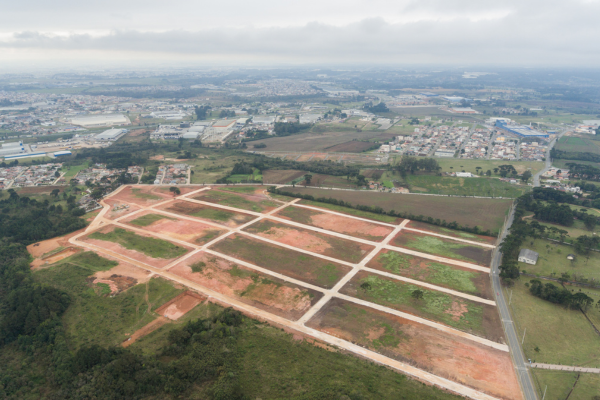
The Comptroller and Auditor General (CAG) has questioned the Telangana government's decision to allot 48 acres of land to Amazon Data Services India Pvt Ltd within the Hyderabad Pharma City project. The audit observed that the project was originally planned as a dedicated pharmaceutical manufacturing hub under the National Investment and Manufacturing Zone (NIMZ) framework, and any deviation from this intended use required careful evaluation. Advertisement


The report pointed out that allocating land for a data centre does not align with the core objective of building a pharma-focused industrial ecosystem. It noted that such a shift in land use could impact the expected employment generation, as data centres typically create fewer direct jobs compared to manufacturing units. The project had originally targeted around 1.66 lakh direct jobs, and any diversion of land could affect this estimate.
Concerns were also raised about the manner in which the land was transferred. By executing the sale deed in favour of the company, the Telangana State Industrial Infrastructure Corporation (TGIIC) may have limited its ability to take back the land if the project is not implemented or conditions are not met. This reduces flexibility in enforcing compliance over the long term.
The Telangana government, in its response, stated that the Pharma City project is still under implementation and that the allotment was made in line with an existing framework agreement. It clarified that the decision would not impact the broader objectives of the project and that development activities are being carried out in phases.
Hyderabad Pharma City is a large industrial project spread over about 19,333 acres in Rangareddy district, with an estimated project cost of INR 19,098 crore, including around INR 1,550 crore for land acquisition. The project is expected to attract investments of nearly INR 64,000 crore and create significant employment opportunities. The first phase itself covers about 8,200 acres.
However, the audit highlighted delays in project execution due to issues in land acquisition. It noted that more than 10,000 acres of the acquired land is not contiguous, which has affected planning and slowed down development. As a result, the initial employment target of 50,000 jobs in the early phase has not been achieved. The report also indicated that such delays could increase overall project costs due to rising land prices and higher compensation demands.
The CAG further pointed to weak monitoring mechanisms. A special task force set up to oversee the project met only a few times in the initial stages and did not continue regular meetings. This affected coordination, decision-making, and timely tracking of progress.
In addition, broader issues in land management were flagged. The industrial infrastructure agency has a land bank of over 53,000 acres, but periodic surveys have not been conducted since its formation. This creates challenges in identifying encroachments, tracking land usage, and ensuring compliance with allotment conditions. Inspections of industrial units were also found to be irregular, reducing oversight.
The state government acknowledged that some land parcels were under advance possession and not fully reflected in official records. It added that a reconciliation process is underway to update and align the data.

5th Jun, 2025

25th May, 2023

11th May, 2023

27th Apr, 2023
Advertisement





 Facebook
 Whatsapp
