Advertisement










Private equity has played a significant role in shaping Indi...
In today’s real estate landscape, fitness is often treated...
In this episode of Prop Personalities, we sit down with Hars...
Luxury real estate is one of the most talked-about segments ...
Welcome to Prop Personalities by Prop News Time - a podcast ...
Authorities in Delhi are planning a feasibility study for constructing a 900-metre road beneath an existing metro viaduct to improve traffic movement and optimise underutilised urban space. The proposal, initiated in the past week, involves coordination between the Delhi Metro Rail Corporation (DMRC), Public Works Department (PWD), and other civic agencies. The stretch is expected to enhance connectivity and decongest key corridors by formalising road infrastructure below elevated metro lines. Officials indicated that the study will assess structural safety, alignment feasibility, and integration with existing road networks. The initiative reflects a broader push to utilise land beneath metro infrastructure for transport and public use, particularly in densely built urban areas with limited land availability.
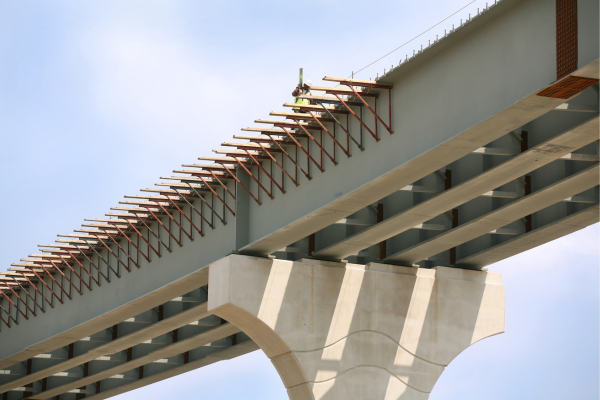
Authorities in Delhi have initiated plans to conduct a feasibility study for constructing a 900-metre road beneath an operational metro viaduct, with the proposal emerging in the past week as part of efforts to improve traffic flow and make use of underutilised urban space. The project will involve coordination between the Delhi Metro Rail Corporation (DMRC), the Public Works Department (PWD), and other relevant agencies to evaluate technical and planning aspects before execution. Advertisement


The proposed road is planned beneath an elevated metro corridor, where the space below the viaduct is currently either unused or occupied by informal activities. Officials indicated that the objective is to convert this stretch into a functional roadway that can support vehicular movement while improving connectivity in surrounding areas. The initiative aligns with similar efforts in other parts of the city where land beneath metro infrastructure has been repurposed for parking, pedestrian pathways, and service roads.
The feasibility study will examine structural considerations, including load-bearing capacity and safety clearances, to ensure that the construction of a road beneath the viaduct does not affect the integrity of metro operations. It will also evaluate alignment options, traffic integration, drainage requirements, and potential challenges related to encroachments or existing utilities.
Officials involved in the planning process indicated that multiple agencies would need to coordinate approvals and execution, given the overlapping jurisdictions over metro infrastructure and road development. The study is expected to define technical parameters and cost estimates, forming the basis for any subsequent construction proposal.
The proposal reflects an increasing focus on optimising urban land use in densely populated cities such as Delhi, where availability of land for new road construction is limited. By utilising spaces beneath elevated infrastructure, authorities aim to expand transport capacity without requiring additional land acquisition.
If found viable, the project could serve as a model for similar interventions across other metro corridors, where significant stretches of land remain underutilised. The outcome of the feasibility study will determine whether the proposal progresses to the execution stage, including detailed design, approvals, and funding allocation.

5th Jun, 2025

25th May, 2023

11th May, 2023

27th Apr, 2023
Advertisement





 Facebook
 Whatsapp
