Advertisement










Private equity has played a significant role in shaping Indi...
In today’s real estate landscape, fitness is often treated...
In this episode of Prop Personalities, we sit down with Hars...
Luxury real estate is one of the most talked-about segments ...
Welcome to Prop Personalities by Prop News Time - a podcast ...
Madurai's INR 100 crore road repair programme under the Tamil Nadu Urban Roads Infrastructure Project (TURIP) has reached only about 50% completion, with delays attributed to logistical constraints and the need to redo underground drainage (UGD) pipelines. The project, launched earlier this year to restore roads damaged during sewer infrastructure works, was initially scheduled for completion by mid-February. However, repeated relaying of faulty pipelines has led to re-damage of repaired stretches, extending timelines to May. Residents have also raised concerns over the quality of completed roads, citing early deterioration and potholes. The civic body has stated that repairs will continue without budget escalation and additional resurfacing will be undertaken where required.
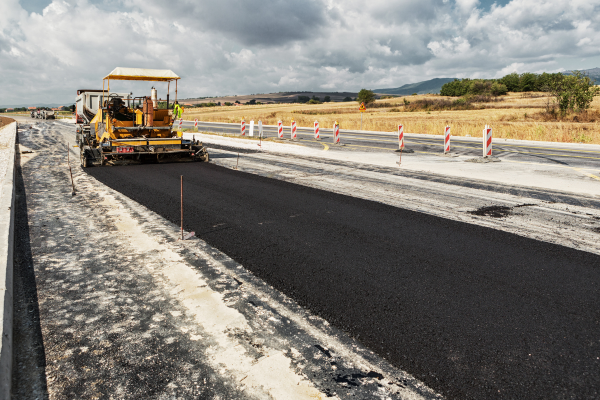
The Madurai Corporation's road restoration initiative under the Tamil Nadu Urban Roads Infrastructure Project (TURIP) is currently only half complete, with officials confirming in the past week that delays linked to underground drainage works have pushed the revised completion timeline to May. The project, launched earlier this year with an allocation of INR 100 crore, was intended to repair roads damaged during the installation and upgrading of sewer infrastructure across the city. Advertisement


The programme was originally scheduled to be completed by mid-February. However, implementation has been affected by logistical constraints and technical issues in underground drainage systems, requiring repeated excavation and relaying of pipelines in several areas. Officials indicated that pressure fluctuations, blockages, and leakages in newly installed pipelines necessitated rework, which in turn damaged stretches that had already been repaired.
A senior corporation official conveyed that the need for re-laying pipelines had resulted in duplication of work, as roads that had undergone resurfacing had to be reopened for corrective interventions. Despite the additional work involved, authorities stated that the overall project cost would remain unchanged and no budget escalation had been proposed.
The project covers multiple roads across the city, particularly those affected by recent underground drainage upgrades aimed at addressing sewage management issues. The integration of sewer infrastructure and road restoration has been a key component of the initiative, although coordination challenges between the two activities have contributed to delays.
Concerns have also emerged regarding the quality of completed road works. Residents in certain areas have reported early deterioration of relaid stretches, including the emergence of potholes within weeks of completion. A commuter highlighted that a key road connecting Melur to Sivaganga had developed significant damage shortly after being resurfaced, raising questions about execution standards.
In response, civic officials indicated that they are addressing complaints on a case-by-case basis, undertaking resurfacing and patchwork repairs wherever deficiencies are identified. The administration has stated that quality checks and corrective measures will continue alongside ongoing construction activities to ensure durability of the final road network.
Once the TURIP works are completed, the corporation plans to extend repair and resurfacing efforts to other roads in the city that require attention. The current phase, however, remains focused on restoring stretches affected by sewer infrastructure projects, which have significantly disrupted road conditions in several parts of Madurai.
The delays underline the complexities involved in synchronising underground utility upgrades with surface-level infrastructure works. In dense urban environments, repeated excavation and restoration cycles can affect both timelines and quality, particularly when multiple systems such as drainage and road networks are being upgraded simultaneously.

5th Jun, 2025

25th May, 2023

11th May, 2023

27th Apr, 2023
Advertisement





 Facebook
 Whatsapp
