Advertisement










Private equity has played a significant role in shaping Indi...
In today’s real estate landscape, fitness is often treated...
In this episode of Prop Personalities, we sit down with Hars...
Luxury real estate is one of the most talked-about segments ...
Welcome to Prop Personalities by Prop News Time - a podcast ...
A report by the Comptroller and Auditor General (CAG) has highlighted significant gaps in the implementation of the Jal Jeevan Mission (JJM) in Karnataka, noting that around 34 per cent of rural households approximately 24.5 lakh homes remain without functional tap water connections. The audit, covering the period from 2019 to 2024 across selected districts, has pointed to deficiencies in planning, execution, and monitoring of water supply projects. It has also flagged issues such as delays, incomplete works, poor water quality oversight, and underutilisation of funds. The findings raise concerns over infrastructure delivery in rural areas and underline challenges in achieving universal household water connectivity under the central scheme.
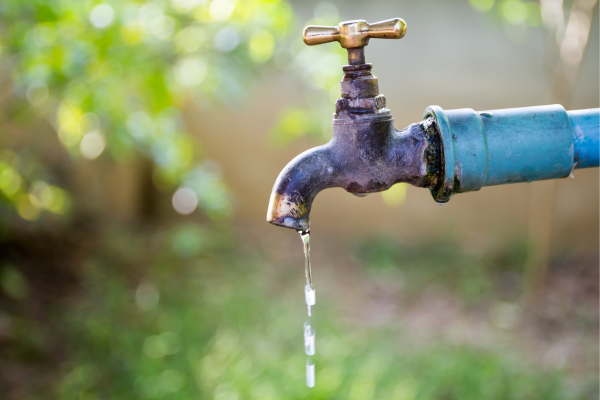
A report by the Comptroller and Auditor General (CAG) of India has revealed in the past week that Karnataka continues to face significant gaps in rural water infrastructure under the Jal Jeevan Mission (JJM), with nearly 34 per cent of targeted households yet to receive functional tap water connections, highlighting implementation and governance issues across the state. Advertisement


The audit findings, tabled in the state legislature, indicate that of the approximately 72 lakh rural households identified under the mission, around 24.5 lakh homes remain without tap water supply. The review covered the period from 2019 to 2024 and assessed implementation across selected districts, examining institutional mechanisms, financial management, and project execution.
The report points to shortcomings in project planning, including instances where contracts were awarded without ensuring availability of land or water sources. It also noted delays in execution, with several schemes either incomplete or abandoned midway, affecting service delivery timelines. Coordination gaps between departments and agencies were cited as contributing factors to slow progress and inefficiencies.
Financial management emerged as another area of concern, with the audit indicating underutilisation of available funds and inconsistencies in expenditure patterns. In parallel, the report highlighted a decline in allocation towards water quality monitoring, with spending dropping sharply over the audit period. This has affected the ability to ensure safe drinking water, particularly in rural areas dependent on groundwater sources.
Water quality and sustainability issues were also emphasised, with the audit noting that only a limited number of sampled villages met prescribed water quality standards. Testing infrastructure was found to be inadequate in several locations, lacking the capacity to assess contaminants such as arsenic and other pollutants. The report also raised concerns over over-reliance on groundwater, which may not be sustainable in the long term.
The Jal Jeevan Mission, launched in 2019, aims to provide functional household tap connections to all rural households, ensuring safe and adequate drinking water supply. While the programme has expanded coverage nationally, the CAG findings indicate uneven progress at the state level, with Karnataka facing execution-related challenges.
Despite these gaps, the report acknowledged certain social outcomes, including improved convenience and reduced time spent on water collection, particularly for women in rural areas. However, it noted that such benefits remain limited by incomplete infrastructure and inconsistent service delivery.
The findings place renewed focus on infrastructure planning and service delivery mechanisms in rural regions, where access to basic utilities such as water continues to influence habitation patterns and development outcomes. For the real estate and infrastructure sectors, the report underscores the importance of reliable utility provisioning in shaping residential growth, particularly in emerging and peri-urban areas where public infrastructure remains a critical determinant of livability and investment viability.

5th Jun, 2025

25th May, 2023

11th May, 2023

27th Apr, 2023
Advertisement





 Facebook
 Whatsapp
