Advertisement






What really powers the cloud? Behind every Google search, A...
A lot of what defines a home isn’t visible at handover. I...
Private equity has played a significant role in shaping Indi...
Luxury real estate is one of the most talked-about segments ...
Airports play a much bigger role than just enabling travel -...
Chennai Metro Rail Limited (CMRL) has initiated plans to transform areas surrounding 41 metro stations into integrated multimodal hubs to improve last-mile connectivity across Chennai. The proposal covers a 500-metre radius around each station and aims to facilitate seamless interchange between metro rail, buses, autos, taxis, and suburban rail services. A tender has been issued to prepare a detailed project report outlining design, infrastructure upgrades, and implementation strategy. The move follows commuter concerns regarding inadequate pedestrian infrastructure, unsafe access points, and poor coordination between transport systems. Key high-footfall stations such as Central, Egmore, Guindy, Saidapet, and Alandur are expected to be prioritised under the initiative.
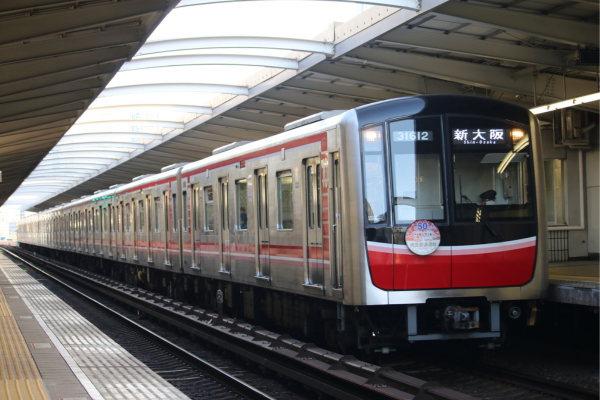
Chennai Metro Rail Limited (CMRL) has moved forward with a plan to redevelop areas around 41 metro stations into multimodal transport hubs, with a tender floated in the past week for the preparation of a detailed project report (DPR) covering a 500-metre radius around each station in Chennai. The initiative is intended to address persistent last-mile connectivity challenges by integrating multiple modes of urban transport and improving commuter access to metro infrastructure. Advertisement






The proposed hubs will focus on enabling seamless transitions between metro services and other transport systems, including Metropolitan Transport Corporation buses, suburban rail, MRTS networks, autorickshaws, and taxis. The plan is expected to restructure station surroundings to ensure better coordination among these modes, which currently operate in a fragmented manner, often leading to inconvenience for daily commuters.
As part of the redesign, infrastructure interventions are expected to include continuous and barrier-free pedestrian pathways, improved crossings, shaded walkways, and extensions of skywalk networks where required. The proposal also includes the development of organised pick-up and drop-off zones, relocation of bus stops closer to station entry and exit points, and dedicated areas for intermediate public transport services. These measures are aimed at improving accessibility, safety, and overall commuter experience.
The decision follows repeated feedback from metro users regarding inadequate pedestrian infrastructure, unsafe road crossings, and the lack of integration between different transport networks. In several locations, commuters currently face difficulties navigating between metro stations and nearby bus stops or suburban rail terminals, which discourages the use of public transport for end-to-end journeys.
High-traffic stations such as Chennai Central, Egmore, Guindy, Saidapet, and Alandur have been identified as priority locations due to their role as interchange points and their high commuter volumes. These stations are expected to see more extensive infrastructure upgrades under the proposed plan.
The tender for the DPR marks the initial stage of the project, with the report expected to define design standards, implementation phases, and cost estimates. The initiative aligns with the broader objective of positioning metro stations as integrated mobility nodes rather than standalone transit points.
Chennai's metro network, operated by CMRL, currently spans multiple corridors and continues to expand under Phase II development, which is expected to significantly increase network coverage and ridership in the coming years.
By focusing on station-area planning and transport integration, the proposed multimodal hubs are intended to support more efficient urban mobility and encourage greater use of public transport systems across the city.

5th Jun, 2025

25th May, 2023

11th May, 2023

27th Apr, 2023
Advertisement









 Facebook
 Whatsapp
