Advertisement










Private equity has played a significant role in shaping Indi...
In today’s real estate landscape, fitness is often treated...
In this episode of Prop Personalities, we sit down with Hars...
Luxury real estate is one of the most talked-about segments ...
Welcome to Prop Personalities by Prop News Time - a podcast ...
The Madhya Pradesh government has allocated limited commercial LPG supplies to the hospitality sector after severe disruptions caused by the West Asia crisis. Hotels and restaurants have been given 9 per cent allocation, while dhabas and street food vendors received 7 per cent. The move follows industry pressure and warnings of shutdowns due to zero supply in recent weeks. Many businesses had already shifted to alternative cooking methods. The Centre has also increased LPG allocation to states, signalling gradual improvement, though the sector continues to face operational challenges.
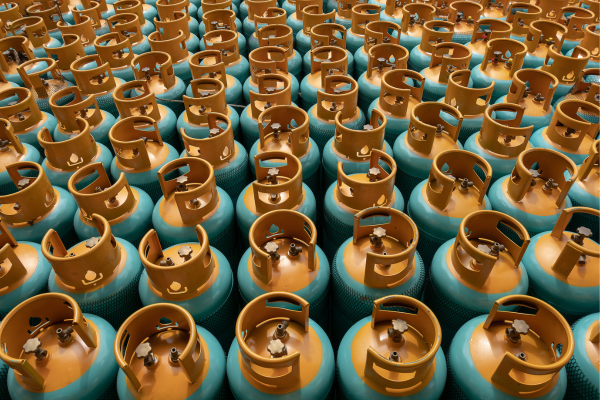
The Madhya Pradesh government has begun restoring commercial LPG supply to the hospitality sector by allocating 9 per cent gas to hotels and restaurants and 7 per cent to dhabas and street food vendors. The decision comes as the sector faced severe disruption due to reduced fuel availability. Advertisement


This step followed a meeting between the Indore-Bhopal chapter of the National Restaurant Association of India (NRAI) and Additional Chief Secretary of the Food and Civil Supplies Department, Rashmi Arun Shami. The delegation, led by NRAI MP president Abhishek Baheti, had requested immediate access to commercial gas, highlighting the sector's heavy dependence on LPG for daily operations.
Representatives including Sapan Arora, Amit Baheti, Deepesh Motwani, Shrikant Singh, Sachin Agrawal, Garvit Agrawal, Sagar Gaire, Vishnu Sharma and Kush Manohar were part of the discussion. According to Confederation of All India Traders (CAIT) MP president Dharmendra Sharma, the delegation conveyed that the lack of supply had pushed many businesses to the brink.
In the past week, CAIT had also approached the state government, urging it to restore at least partial LPG supply. The traders body indicated that zero availability of commercial LPG had severely impacted hotels, restaurants and food vendors, risking widespread shutdowns.
Due to the shortage, several establishments across the state had already shifted to alternative arrangements such as induction stoves and coal-based cooking to continue operations. These alternatives, however, have increased costs and affected efficiency.
At the national level, the Centre recently approved an additional 20 per cent allocation of commercial LPG to states and Union Territories, raising the total allocation to 50 per cent. This increase comes as domestic production improves and supply conditions begin to stabilise.
The disruption was triggered by the ongoing conflict in West Asia, which affected energy supply chains to India. In response, authorities had initially reduced LPG supply to commercial users to prioritise household consumption. Over time, a partial restoration of around 20 per cent was allowed, along with an additional 10 per cent linked to the progress of piped gas infrastructure projects.
Source PTI
FAQ
Q1: What decision has the Madhya Pradesh government taken regarding LPG supply?
The Madhya Pradesh government has partially restored commercial LPG supply to the hospitality sector. Hotels and restaurants have been allocated 9% of supply, while dhabas and street food vendors have received 7%, helping ease recent disruptions.
Q2: Why was there a shortage of commercial LPG?
The shortage was mainly caused by the ongoing West Asia crisis, which disrupted energy supply chains. Initially, LPG supply was reduced for commercial users to prioritise household consumption.
Q3: How did the shortage impact hotels and food businesses?
The lack of LPG supply severely affected operations, with many businesses facing the risk of shutdowns. Some establishments had to switch to alternatives like induction stoves and coal-based cooking, which increased costs and reduced efficiency.
Q4: Who raised concerns about the LPG shortage?
Industry bodies such as the National Restaurant Association of India and Confederation of All India Traders raised concerns. They highlighted the sector's dependence on LPG and pushed for immediate restoration of supply.
Q5: Has the central government taken any steps to improve supply?
Yes, the Centre has increased the allocation of commercial LPG to states and Union Territories by an additional 20%, taking the total allocation to around 50%, indicating gradual improvement in availability.
Q6: What temporary measures did businesses adopt during the shortage?
Many hotels, restaurants, and vendors shifted to alternative cooking methods such as induction cooktops and coal-based systems. However, these solutions were less efficient and led to higher operational costs.
Q7: Is the situation expected to improve going forward?
With increased allocation from the Centre and partial restoration by the state government, supply conditions are expected to improve gradually. However, the sector may continue to face challenges until supply fully stabilises.

5th Jun, 2025

25th May, 2023

11th May, 2023

27th Apr, 2023
Advertisement





 Facebook
 Whatsapp
