Advertisement










Private equity has played a significant role in shaping Indi...
In today’s real estate landscape, fitness is often treated...
In this episode of Prop Personalities, we sit down with Hars...
Luxury real estate is one of the most talked-about segments ...
Welcome to Prop Personalities by Prop News Time - a podcast ...
Jawaharlal Nehru Port Authority (JNPA) is considering extending DP World's Nhava Sheva International Container Terminal (NSICT) concession beyond 2028 by four years, along with an annual royalty increase. The move is aimed at aligning NSICT's tenure with the adjacent NSIGT terminal so both can be merged and auctioned as a single larger facility. This is expected to improve capacity utilisation and revenue potential. However, the proposal also raises policy concerns, as earlier commitments indicated that both terminals would be bid out without extending existing agreements.
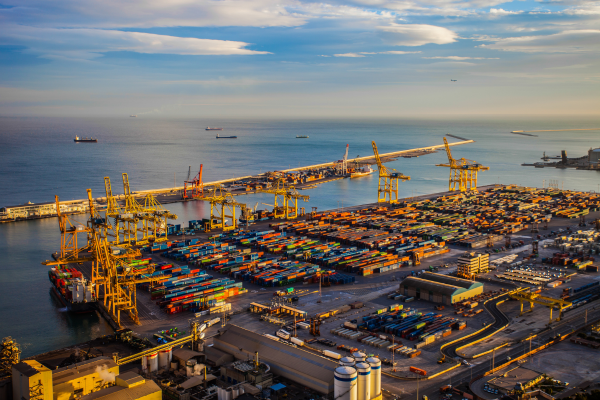
Jawaharlal Nehru Port Authority (JNPA) is working on a proposal to extend the concession period of DP World-operated Nhava Sheva International Container Terminal (NSICT) by four years beyond 2028. The plan also includes a structured annual increase in royalty payments during the extended period. This is being evaluated as part of a broader effort to improve operational efficiency and enhance revenue from existing port assets. Advertisement


NSICT, India's first privately operated container terminal, has been functioning under a 30-year agreement and remains an important facility at the port. It has a quay length of about 600 metres and handles a significant share of container traffic at Jawaharlal Nehru Port, which is India's largest container gateway.
The main objective behind the proposed extension is to align NSICT's concession timeline with the neighbouring Nhava Sheva (India) Gateway Terminal (NSIGT), which is also operated by DP World and is currently scheduled to run until 2031. By bringing both timelines closer, JNPA intends to combine the two terminals into a single larger facility of about 930 metres and offer it for bidding as one unit.
Officials believe that operating both terminals separately limits their full potential. A combined terminal would allow better berth planning, handle more vessels at the same time, and improve overall turnaround efficiency. This could also make the asset more attractive to private bidders when it is eventually put up for auction.
The proposed royalty increase is expected to support JNPA's revenue during the extension period. It may also help address past concerns related to revenue differences between the two terminals. Earlier, the Comptroller and Auditor General had flagged that diversion of cargo from NSICT to NSIGT resulted in a revenue loss of about INR 54.72 crore between 2015 and 2017. This was mainly due to differences in revenue-sharing models, where NSIGT operated under relatively lower revenue terms compared to NSICT.
The extension proposal is also linked to a past settlement between JNPA and DP World over a tariff-related dispute. Under this arrangement, a tariff deficit of about INR 705.78 crore is being adjusted through royalty-based mechanisms until the end of the current concession period. Extending the concession may provide additional time to balance such financial adjustments.
At the same time, the proposal has raised policy-related concerns. JNPA had earlier informed oversight bodies, including the Public Accounts Committee, that both NSICT and NSIGT would be combined and auctioned together after their respective concession periods ended, without extending existing contracts. Moving ahead with an extension could be seen as a deviation from that position.
The Ministry of Ports, Shipping and Waterways has asked JNPA to take a final view on the matter. The decision is important as it could influence how similar concession extensions and terminal restructuring plans are handled across other major ports in the country.

5th Jun, 2025

25th May, 2023

11th May, 2023

27th Apr, 2023
Advertisement





 Facebook
 Whatsapp
