Advertisement










Private equity has played a significant role in shaping Indi...
In today’s real estate landscape, fitness is often treated...
In this episode of Prop Personalities, we sit down with Hars...
Luxury real estate is one of the most talked-about segments ...
Welcome to Prop Personalities by Prop News Time - a podcast ...
Delhi Metro Rail Corporation, the operator of Delhi Metro Rail Corporation, is implementing upgrades across Phase III to improve interchange station connectivity. As part of this plan, 14 interchange stations will be equipped with foot overbridges (FOBs) and ramps to make transfers between lines smoother and more accessible. The initiative focuses on reducing walking distances, improving passenger flow, and supporting elderly and differently-abled commuters. The design follows earlier metro integration practices where multiple lines were connected through structured pedestrian links, escalators, and lifts for better commuter convenience.
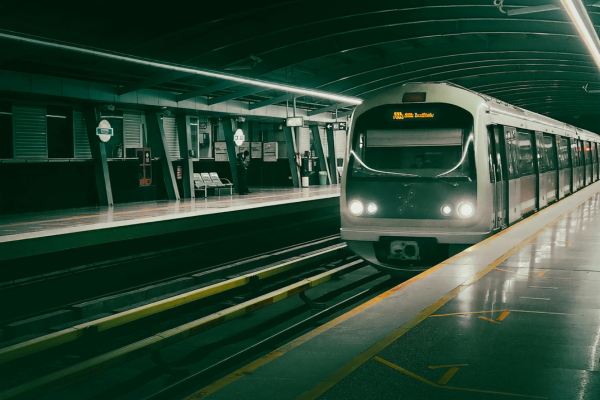
Delhi Metro Rail Corporation, the organization managing Delhi Metro Rail Corporation, is carrying out infrastructure improvements under Phase III of the metro network with a focus on enhancing interchange connectivity. The plan covers 14 interchange stations where additional facilities such as foot overbridges (FOBs) and ramps are being introduced to support easier movement between different metro lines. Advertisement


These interchange points often involve connections between elevated and underground lines or stations located at varying distances. In such cases, passengers currently rely on a combination of escalators, lifts, and walking passages. The introduction of FOBs and ramps is intended to streamline these transfers by reducing walking time and providing more direct access between platforms within the paid areas of stations.
The approach builds on earlier developments within the Delhi Metro network, where interchange stations were designed to connect multiple lines using pedestrian bridges, subways, and vertical transport systems. Stations like Anand Vihar, Azadpur, and Rajouri Garden have previously demonstrated how structured links can help manage passenger movement between intersecting corridors.
In addition to improving convenience, the planned upgrades also aim to strengthen accessibility across the network. Ramps, along with lifts and escalators, are expected to support passengers with mobility challenges, making interchange stations easier to navigate. The emphasis remains on ensuring that transfers are carried out smoothly without requiring passengers to exit and re-enter station premises.
As ridership continues to increase across the metro system, interchange stations play a critical role in maintaining operational efficiency. The current enhancements under Phase III reflect a continued effort to improve passenger experience by focusing on connectivity, accessibility, and better-designed transfer routes within key nodes of the network.

5th Jun, 2025

25th May, 2023

11th May, 2023

27th Apr, 2023
Advertisement





 Facebook
 Whatsapp
