Advertisement










Private equity has played a significant role in shaping Indi...
In today’s real estate landscape, fitness is often treated...
In this episode of Prop Personalities, we sit down with Hars...
Luxury real estate is one of the most talked-about segments ...
Welcome to Prop Personalities by Prop News Time - a podcast ...
The Supreme Court has allowed the Brihanmumbai Municipal Corporation (BMC) to remove more than 45,000 mangroves for the proposed Versova-Bhayandar coastal road project in north Mumbai, which carries an estimated cost of INR 18,263 crore. The decision, delivered in the past week, upholds earlier approvals while directing the civic body to undertake compensatory afforestation and submit annual compliance reports to the Bombay High Court for a decade. The project forms part of the northern extension of Mumbai's coastal road network and is expected to significantly reduce travel time between Versova and Mira Bhayandar. The ruling balances infrastructure development with environmental safeguards, mandating restoration measures alongside project execution.
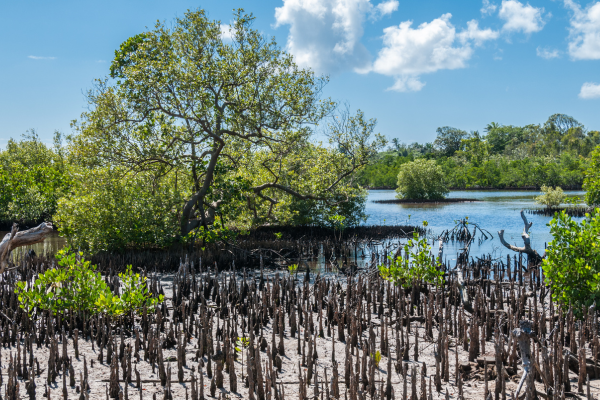
The Supreme Court has permitted the Brihanmumbai Municipal Corporation to proceed with the removal of over 45,000 mangroves for the Versova-Bhayandar coastal road project in north Mumbai in the past week, allowing the continuation of a major infrastructure initiative while imposing conditions on environmental mitigation. The ruling effectively upholds prior clearances and directions issued by the Bombay High Court, with additional oversight requirements. Advertisement


The project, estimated at INR 18,263 crore, is planned as an extension of the existing coastal road corridor connecting south Mumbai to the western suburbs. It will link Versova with Mira Bhayandar and integrate with ongoing infrastructure such as the Bandra-Versova sea link, forming part of a broader effort to enhance north-south connectivity along the city's western coastline.
As part of its order, the apex court has directed the civic authority to comply with conditions related to compensatory afforestation and ecological restoration. The BMC has been instructed to submit annual reports to the Bombay High Court detailing the progress of plantation and restoration activities over a period of ten years. These measures are intended to offset the environmental impact arising from the removal of mangrove cover.
Project details indicate that while a substantial number of mangroves will be affected, a portion is proposed to be relocated, with the remainder to be removed permanently to accommodate the road alignment and associated infrastructure. The development is expected to reduce travel time between Versova and Mira Bhayandar from nearly two hours to under 20 minutes, while also shortening the travel distance significantly.
The decision follows legal challenges to earlier approvals, with petitioners raising concerns over ecological damage and the role of mangroves in coastal protection. The court, however, declined to interfere with the Bombay High Court's findings, which had permitted the project subject to strict environmental safeguards.
The Versova-Bhayandar coastal road forms a key component of Mumbai's long-term infrastructure planning, aimed at easing congestion and improving connectivity in the metropolitan region. The project alignment includes a combination of elevated stretches, bridges and road sections along the coastline, designed to handle increasing traffic demand in the western suburbs.
The ruling underscores the continued judicial balancing of infrastructure expansion and environmental protection in urban projects. With mandatory monitoring and reporting requirements now in place, the implementation phase will be subject to ongoing scrutiny to ensure compliance with ecological safeguards while advancing one of Mumbai's significant transport corridors.

5th Jun, 2025

25th May, 2023

11th May, 2023

27th Apr, 2023
Advertisement





 Facebook
 Whatsapp
