Advertisement










Private equity has played a significant role in shaping Indi...
In today’s real estate landscape, fitness is often treated...
In this episode of Prop Personalities, we sit down with Hars...
Luxury real estate is one of the most talked-about segments ...
Welcome to Prop Personalities by Prop News Time - a podcast ...
Demolition contracts awarded by the Ulhasnagar Municipal Corporation have come under scrutiny following allegations that contractors were paid crores of INR for work that typically generates revenue through salvaged materials. A corporator has raised concerns over possible irregularities in how payments were made during multiple demolition projects carried out over the past few years. The issue has prompted questions about contract structure, accounting of recovered materials, and overall expenditure. The civic body has been asked to clarify its payment methodology and is expected to submit detailed records for review.
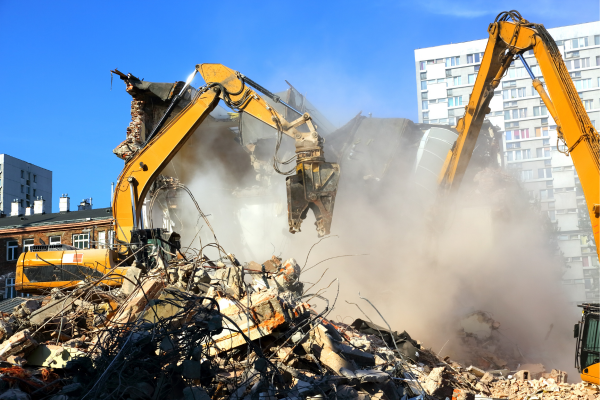
The demolition contracts executed by the Ulhasnagar Municipal Corporation have come under review after allegations emerged that contractors were compensated for work that is generally expected to be offset through the value of recovered materials. The matter relates to demolition activities carried out across the city over the past few years, during which a large number of unsafe or dilapidated structures were removed. Advertisement


A corporator has raised concerns regarding the financial structure of these contracts, pointing out that in standard demolition practices, contractors typically recover costs by selling salvaged materials such as steel, wood, and other reusable components. These materials are often sufficient to cover operational expenses, which reduces or eliminates the need for additional payments from the municipal body.
However, the allegation suggests that in Ulhasnagar, contractors may have received payments in addition to retaining the scrap generated from demolition work. This has led to questions about whether the contracts were structured in a way that ensured proper accounting of recovered materials and whether public funds were used appropriately. The issue also covers demolition works carried out over approximately four years, a period during which the municipal administration operated under an administrator-led system.
It has been noted that several demolition drives were conducted during this time, involving a significant number of structures. The corporator has sought clarity on how payments were calculated and whether the civic body accounted for the value of salvaged materials when finalising contractor dues. Concerns have also been raised about the documentation and tracking of debris disposal, as well as the transparency of the overall process followed in awarding and executing these contracts.
In response, the municipal corporation has been asked to provide detailed information on total expenditure incurred on demolition projects and to explain the basis on which payments were approved. The review is expected to include examination of contract terms, billing records, and compliance with standard procedures. The matter has now brought attention to the need for clearer guidelines in contract execution, particularly in cases where revenue recovery from materials plays a key role in determining project costs.

5th Jun, 2025

25th May, 2023

11th May, 2023

27th Apr, 2023
Advertisement





 Facebook
 Whatsapp
