Advertisement






What really powers the cloud? Behind every Google search, A...
A lot of what defines a home isn’t visible at handover. I...
Private equity has played a significant role in shaping Indi...
Luxury real estate is one of the most talked-about segments ...
Airports play a much bigger role than just enabling travel -...
The Rajasthan State Industrial Development and Investment Corporation (RIICO) has granted conditional approval to the Rajasthan Financial Corporation (RFC) to sell properties allotted across multiple industrial areas in the state. The decision, taken in the past week, allows RFC to monetise assets located in key industrial hubs including Kota, Alwar and Bhiwadi, subject to regulatory compliance. While plots allotted at prevailing rates can be sold without additional conditions, those allocated at concessional rates require repayment of the concession amount with interest. The approval mandates that land use must remain aligned with original allotment purposes, ensuring continuity of industrial planning norms. The move is expected to unlock underutilised assets and facilitate redevelopment within established industrial zones.
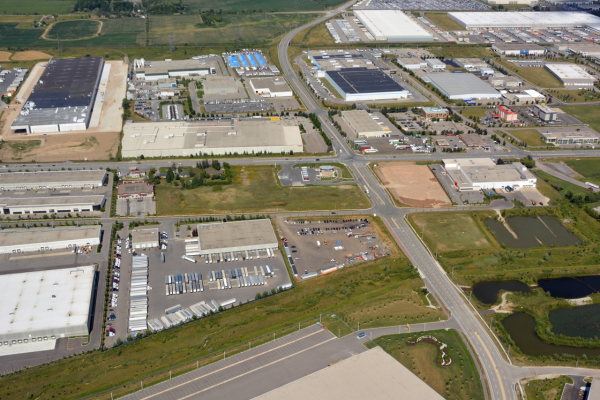
The Rajasthan State Industrial Development and Investment Corporation (RIICO) has granted approval in the past week for the Rajasthan Financial Corporation (RFC) to proceed with the sale of properties allotted to it across various industrial areas in the state, subject to specified conditions aimed at maintaining regulatory compliance and land-use discipline. Advertisement






The approval allows RIICO to issue No Objection Certificates (NOCs) enabling RFC to monetise properties located in industrial regions such as Banswara, Kota, Alwar, Jhunjhunu, Abu Road, Balotra, Jalore and Bhiwadi. These plots had been allotted to RFC over time for institutional uses, including the development of office buildings and residential quarters linked to industrial activity.
RFC had sought the NOCs to facilitate the sale of these assets, and the approvals have now been granted in accordance with existing rules governing land allotment and transfer within RIICO-developed industrial areas. For plots that were originally allotted at prevailing market rates, the corporation has issued NOCs without imposing additional conditions, thereby streamlining the disposal process.
However, in cases where land parcels were allotted at concessional rates, RIICO has imposed a condition requiring RFC to deposit the concession amount along with applicable interest at the time of transfer. This requirement is intended to ensure that financial benefits extended at the time of allotment are appropriately accounted for before the assets are monetised.
The corporation has also stipulated that the use of the land must remain consistent with the purpose for which it was originally allotted. This condition is aimed at preserving the integrity of industrial zoning and preventing diversion of land for non-permitted uses within planned industrial areas.
RIICO, a state government agency responsible for industrial infrastructure development, plays a central role in land allocation and facilitation of industrial projects across Rajasthan. The approval granted to RFC aligns with its mandate to regulate land use while enabling productive utilisation of allotted assets.
The decision is expected to unlock a number of underutilised or dormant properties within established industrial zones, allowing for their redevelopment or reuse in line with prevailing planning norms. Following the sale, these assets may be redeveloped into commercial office spaces or other permissible real estate uses, contributing to renewed activity within industrial clusters.
From a policy perspective, the move reflects a balance between asset monetisation and regulatory oversight. By permitting the sale of properties with conditions tied to pricing and land use, the corporation has sought to ensure that transactions do not compromise industrial planning objectives.
The development also aligns with broader efforts to improve utilisation of industrial land and support economic activity through better asset management. As industrial areas evolve, such measures are expected to facilitate redevelopment while maintaining compliance with statutory frameworks governing land allotment and usage in Rajasthan.

5th Jun, 2025

25th May, 2023

11th May, 2023

27th Apr, 2023
Advertisement









 Facebook
 Whatsapp
