Advertisement










In this episode of Prop Personalities, we sit down with Hars...
Luxury real estate is one of the most talked-about segments ...
Welcome to Prop Personalities by Prop News Time - a podcast ...
Airports play a much bigger role than just enabling travel -...
Why does the same hotel brand operate multiple properties in...
The Ministry of Road Transport and Highways has implemented a nationwide shift to fully digital toll collection across national highways, effective from April 10, eliminating cash payments at toll plazas. Under the new framework, commuters must use FASTag or Unified Payments Interface (UPI) for toll transactions, with penalties imposed for non-compliance. Vehicles without FASTag are required to pay up to 1.25 times the standard toll fee through digital modes. The move applies to more than 1,100 toll plazas and is aimed at improving traffic flow, reducing congestion, and enhancing operational efficiency. The transition builds on India's electronic toll collection system and forms part of a broader push towards digitisation in transport infrastructure and revenue management.
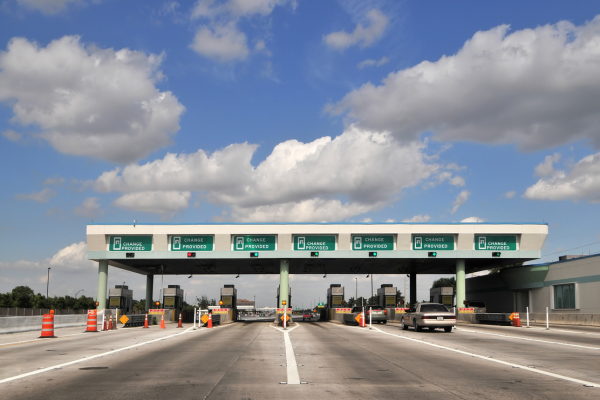
The Ministry of Road Transport and Highways has introduced a fully digital toll collection system across national highways from April 10, replacing cash payments with electronic modes such as FASTag and Unified Payments Interface (UPI), across India, with the objective of streamlining toll operations, reducing congestion, and improving efficiency in highway traffic management. Advertisement


Under the revised framework, all toll transactions at national highway fee plazas are now processed exclusively through digital channels. FASTag, which uses radio-frequency identification (RFID) technology for automatic toll deduction, remains the primary mode of payment, while UPI has been introduced as an alternative digital option for users who may not have active FASTag accounts.
The transition to a cashless tolling system has been implemented across more than 1,100 toll plazas on national highways and expressways. Officials indicated that the move is intended to build on the existing electronic toll collection infrastructure and further standardise payment systems across the network.
As part of the new rules, vehicles without valid FASTag are permitted to make payments through UPI or other digital methods, but at a higher charge. Authorities have specified that such users may be required to pay up to 1.25 times the standard toll fee, creating a financial disincentive for non-adoption of FASTag.
The policy aims to address longstanding operational challenges at toll plazas, including traffic bottlenecks, delays due to cash handling, and disputes over toll payments. By eliminating cash transactions, the government expects to reduce waiting times, improve vehicle throughput, and lower fuel consumption associated with idling at toll booths.
The initiative also aligns with broader efforts to promote digital payments and enhance transparency in revenue collection. With all transactions recorded electronically, authorities indicated that the system would reduce leakages, improve auditability, and provide real-time data on toll collections and traffic movement patterns.
The rollout follows earlier policy proposals and pilot measures aimed at transitioning towards a fully digital tolling ecosystem. Over time, FASTag adoption has increased significantly, with the system becoming mandatory for most vehicles in recent years. The latest move represents a consolidation of these efforts into a uniform, nationwide framework.
In parallel, the government is exploring future technologies such as satellite-based tolling systems, which could eventually eliminate the need for physical toll plazas altogether by enabling distance-based toll collection.
The shift to digital-only tolling marks a structural change in highway operations, with implications for commuters, transport operators, and toll management agencies. By standardising payment methods and removing cash transactions, the government has moved towards a more integrated and technology-driven model for managing India's expanding road infrastructure network.

5th Jun, 2025

25th May, 2023

11th May, 2023

27th Apr, 2023
Advertisement





 Facebook
 Whatsapp
