Advertisement






What really powers the cloud? Behind every Google search, A...
A lot of what defines a home isn’t visible at handover. I...
Private equity has played a significant role in shaping Indi...
Luxury real estate is one of the most talked-about segments ...
Airports play a much bigger role than just enabling travel -...
The Maharashtra Pollution Control Board (MPCB) has directed the Pune Municipal Corporation to address gaps in sewage treatment infrastructure within six months and achieve full sewer network coverage within four months, following a recent review of pollution levels in the city. The directive, issued in the past week, comes after findings that Pune generates around 980 million litres per day (MLD) of sewage, of which nearly 500 MLD is being discharged untreated into the Mula and Mutha rivers through multiple drains. The regulator has asked the civic body to intercept major nullahs, halt direct discharge, and submit a time-bound action plan. The order also covers improvements in solid waste management and air pollution control, indicating broader concerns around urban environmental infrastructure and compliance.
The Maharashtra Pollution Control Board (MPCB) has directed the Pune Municipal Corporation (PMC) in the past week to bridge gaps in sewage treatment infrastructure within six months and ensure complete sewer network coverage within four months, following a review that identified significant untreated discharge into the city's river systems. Advertisement






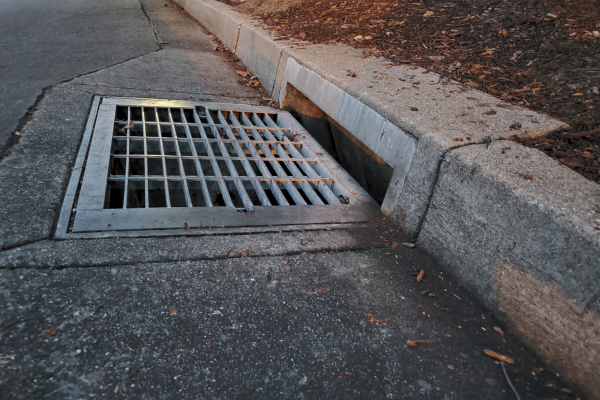
The directive follows a notice issued on March 27 after the regulator assessed pollution levels and infrastructure performance across Pune. The MPCB observed that the city generates approximately 980 million litres per day (MLD) of sewage, of which nearly 500 MLD is being released untreated into the Mula and Mutha rivers through around 10 major drainage channels.
To address these gaps, the board has instructed the civic body to intercept key nullahs and stop the direct discharge of untreated sewage into water bodies. It has also mandated the preparation of a detailed, time-bound action plan outlining both short-term and long-term measures for improving sewage collection, conveyance and treatment systems.
The review highlighted deficiencies not only in treatment capacity but also in the sewer network, with incomplete pipeline connectivity preventing wastewater from reaching existing treatment plants. The board has therefore directed PMC to achieve 100 per cent sewer network coverage within a defined timeframe, indicating that infrastructure gaps remain a primary constraint in effective sewage management.
At present, Pune operates 10 sewage treatment plants with a combined installed capacity of around 537 MLD. However, this capacity remains insufficient relative to the city's total sewage generation. The civic body has initiated plans to add 11 new treatment plants with a cumulative capacity of approximately 396 MLD, along with additional facilities for newly merged villages and a separate plant at Ramtekdi.
Beyond sewage treatment, the MPCB has also issued directions to strengthen solid waste management systems, including expanding the fleet of collection vehicles, improving manpower deployment and ensuring efficient door-to-door waste collection. The civic body has been asked to improve segregation practices and enhance processing infrastructure to prevent unscientific disposal.
The board further instructed PMC to take measures to control air pollution, particularly emissions from vehicles, construction activities and open burning. It has called for stricter enforcement and monitoring mechanisms, alongside the preparation of project evaluation frameworks to track implementation timelines and compliance.
Officials indicated that despite the submission of an action plan by the civic body, implementation has been slower than expected, prompting the issuance of formal directions. The regulator emphasised that untreated sewage discharge into major drains continues to contribute to persistent river pollution, requiring immediate corrective action.
The directive places operational pressure on the municipal administration to accelerate ongoing infrastructure projects and address systemic gaps in urban environmental management, particularly in rapidly expanding areas where sewage networks and treatment capacity have not kept pace with growth.

5th Jun, 2025

25th May, 2023

11th May, 2023

27th Apr, 2023
Advertisement









 Facebook
 Whatsapp
