Advertisement










In this episode of Prop Personalities, we sit down with Hars...
Luxury real estate is one of the most talked-about segments ...
Welcome to Prop Personalities by Prop News Time - a podcast ...
Airports play a much bigger role than just enabling travel -...
Why does the same hotel brand operate multiple properties in...
The Navi Mumbai Municipal Corporation (NMMC) has approved a budget of INR 6,904.43 crore for FY2026-27, following deliberations in its general body meeting held in the past week. The budget, cleared under Section 100 of the Maharashtra Municipal Corporation Act, includes a revised estimate of INR 5,830.82 crore for FY2025-26 and incorporates an increase of INR 200 crore in the opening balance. The final expenditure for FY2026-27 has been set at INR 6,889.43 crore, leaving a closing balance of INR 15 crore. Civic officials stated that the budget prioritises urban infrastructure, sanitation, healthcare, education and welfare schemes, while avoiding any tax increase. The administration has also outlined measures to improve revenue collection, particularly through property tax and water charges, alongside expanding digital governance services.
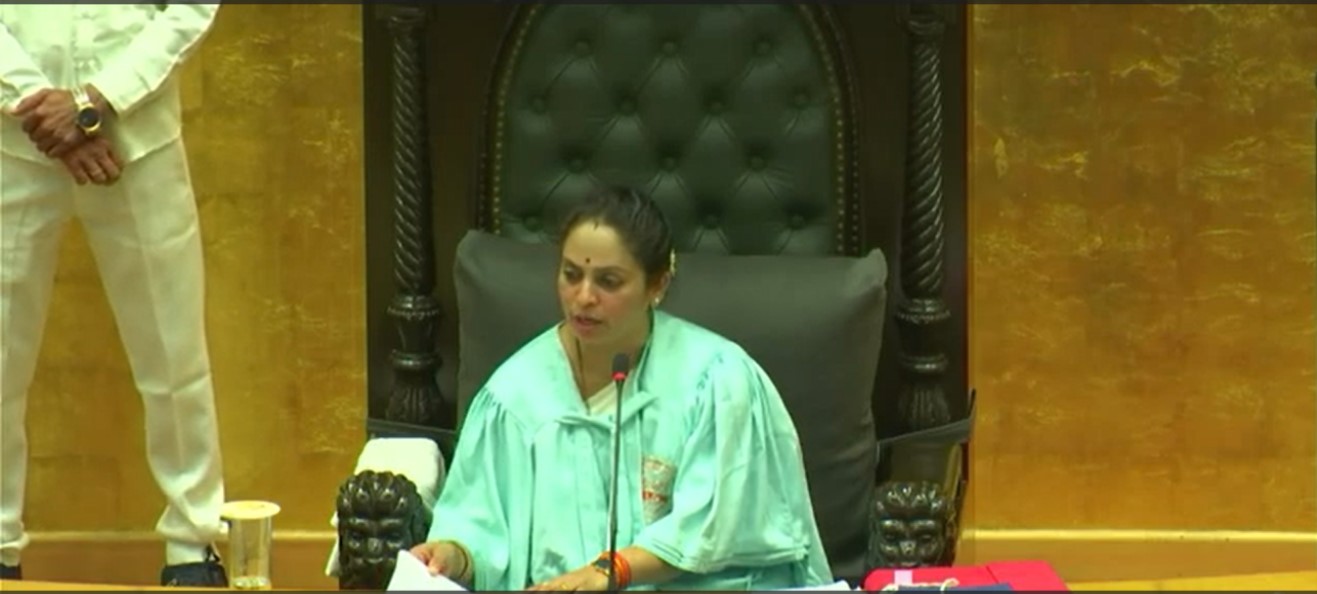
The Navi Mumbai Municipal Corporation approved its budget for FY2026-27 amounting to INR 6,904.43 crore in the past week, after the proposal was placed before the general body for final approval under Section 100 of the Maharashtra Municipal Corporation Act, during a special budget session chaired by Mayor Sujata Patil in Navi Mumbai. Advertisement


The budget includes a revised estimate of INR 5,830.82 crore for FY2025-26 and a base estimate of INR 6,704.43 crore for FY2026-27. Following deliberations and suggested modifications by members, the civic body incorporated an increase of INR 200 crore in the opening balance, taking the total estimated receipts for FY2026-27 to INR 6,904.43 crore.
Expenditure for the financial year has been set at INR 6,889.43 crore, reflecting the additional allocation, while the closing balance is projected at INR 15 crore. The revised FY2025-26 and FY2026-27 budget estimates were approved unanimously after discussions involving 86 members, including inputs from the leader of the house, opposition representatives and the standing committee.
During the session, Mayor Sujata Patil indicated that the budget had been structured without any increase in taxes, with a focus on planned and balanced urban development. She stated that the financial plan prioritises delivery of public services and civic amenities, while maintaining fiscal discipline through better allocation and utilisation of resources.
The budget outlines spending priorities across sectors such as sanitation, healthcare, environmental management, education, welfare schemes and urban infrastructure. Officials indicated that the allocation is intended to strengthen service delivery standards and support ongoing as well as upcoming civic projects across Navi Mumbai.
Municipal Commissioner Dr Kailas Shinde stated that the administration would focus on effective implementation of budget provisions to ensure improved service delivery to residents. He informed the general body that various departments are currently executing infrastructure and civic projects, with additional initiatives planned over the coming months.
The commissioner also emphasised the need to improve revenue mobilisation, particularly through the recovery of pending property tax and water charges. He stated that the civic body would prioritise collection of outstanding dues over the next three months to ensure adequate funding for service delivery and infrastructure development.
In addition, the administration highlighted ongoing efforts to strengthen digital governance systems, enabling residents to access municipal services online with reduced procedural delays. Officials noted that digital platforms have seen increasing adoption among citizens.
The civic body also plans to conduct ward-level meetings involving elected representatives and officials to address local issues more effectively. The approved budget reflects a continued focus on infrastructure provision and administrative efficiency, while maintaining a stable tax regime for the upcoming financial year.

5th Jun, 2025

25th May, 2023

11th May, 2023

27th Apr, 2023
Advertisement





 Facebook
 Whatsapp
