Advertisement










In this episode of Prop Personalities, we sit down with Hars...
Luxury real estate is one of the most talked-about segments ...
Welcome to Prop Personalities by Prop News Time - a podcast ...
Airports play a much bigger role than just enabling travel -...
Why does the same hotel brand operate multiple properties in...
Maharashtra Metro Rail Corporation (Maha Metro), in collaboration with the Nagpur Municipal Corporation (NMC), has announced a feeder bus service along Hingna Road to strengthen last-mile connectivity for Metro commuters. The service, expected to commence shortly, will connect Lokmanya Nagar Metro Station with key institutions including Lata Mangeshkar Hospital and prominent engineering colleges in the Hingna corridor. The initiative follows demand from students and patients who rely on public transport for daily access. Registration drives for Maha Card and bus passes have also been initiated to support integration. The move is aimed at improving multimodal transport usage and reducing reliance on private vehicles in a rapidly developing urban stretch of Nagpur.
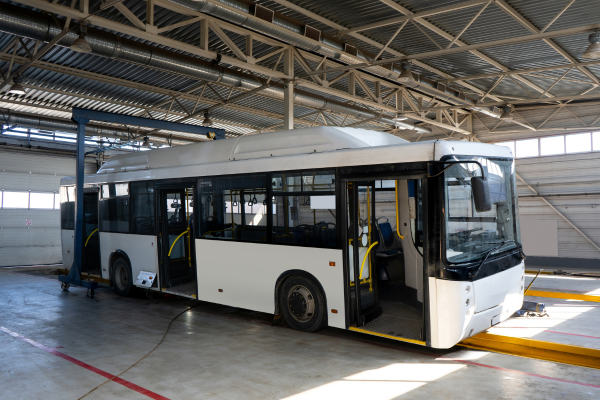
Maharashtra Metro Rail Corporation, in coordination with the Nagpur Municipal Corporation, has introduced a dedicated feeder bus service on Hingna Road in the past week to enhance last-mile connectivity between Lokmanya Nagar Metro Station and key institutional clusters in the area. Advertisement


The service is designed to connect the metro station with major destinations including Lata Mangeshkar Hospital, G H Raisoni College of Engineering and Priyadarshini College of Engineering, addressing connectivity gaps for students, patients and daily commuters. Officials indicated that the buses will operate along a defined corridor covering these locations, with provision for drop-offs within institutional campuses to improve accessibility and commuter safety.
The initiative follows feedback from regular users of the metro system, particularly students and healthcare visitors, who had raised concerns regarding limited last-mile options along Hingna Road. Authorities noted that a significant share of metro ridership in this corridor comprises individuals travelling to educational institutions and hospitals, prompting the need for a dedicated feeder service.
To support the rollout, registration camps for Maha Card and Nagpur Municipal Corporation bus passes have been organised at college campuses along the route. These efforts are intended to streamline fare integration and encourage adoption of the feeder service as part of a unified public transport system.
The feeder bus service forms part of a broader strategy to integrate metro rail operations with surface transport networks in Nagpur. By linking metro stations with nearby activity centres, the authorities aim to improve ridership and reduce dependence on intermediate transport modes such as autorickshaws and private vehicles for short-distance travel.
Hingna Road has emerged as a key urban corridor due to the presence of educational institutions, healthcare facilities and ongoing infrastructure development, including metro expansion works. However, the stretch has faced challenges related to accessibility and traffic movement, particularly in areas where first- and last-mile connectivity remains limited.
Officials indicated that the introduction of feeder services is expected to improve commuter convenience and support modal shift towards public transport. The service is also aligned with the broader objective of developing integrated urban mobility systems, where metro rail, buses and other transport modes operate in coordination.
The initiative reflects a continued focus on improving connectivity in growing urban corridors, where infrastructure expansion is accompanied by increased demand for efficient transport linkages. By enabling direct access between metro stations and key destinations, the feeder service is expected to address operational gaps in the city's public transport network while supporting more efficient utilisation of metro infrastructure.

5th Jun, 2025

25th May, 2023

11th May, 2023

27th Apr, 2023
Advertisement





 Facebook
 Whatsapp
