Advertisement










Private equity has played a significant role in shaping Indi...
In today’s real estate landscape, fitness is often treated...
In this episode of Prop Personalities, we sit down with Hars...
Luxury real estate is one of the most talked-about segments ...
Welcome to Prop Personalities by Prop News Time - a podcast ...
The Bangalore Development Authority (BDA) has announced six new residential projects comprising 4,251 flats across multiple locations in Bengaluru, with a total investment of around INR 3,200 crore. The projects, currently under construction, span areas such as Konadasapura, Electronics City, Valagerahalli, Kalathammanahalli, and Kenchanapura, and include 1BHK to 4BHK units. The initiative reflects a shift towards vertical housing in response to land constraints and rising population pressures. The authority has also introduced an online allotment system to improve transparency. Previous housing schemes have seen over 13,000 flats completed, with more than 10,000 already allotted, indicating continued public participation in state-led housing delivery.
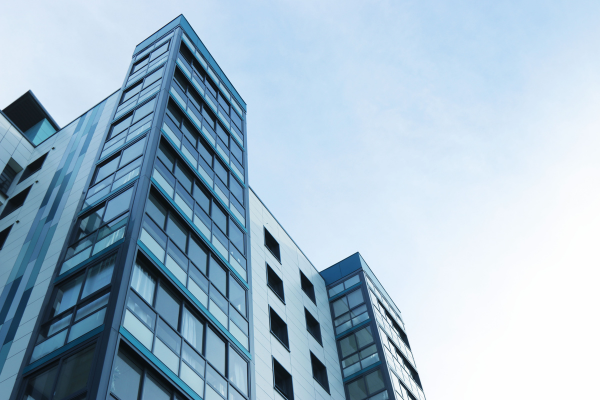
The Bangalore Development Authority (BDA) has initiated six new housing projects comprising 4,251 flats across Bengaluru, with an estimated investment of INR 3,200 crore, as part of its strategy to prioritise vertical residential development amid increasing urban density and land constraints. Advertisement


The projects, announced in the past week, are spread across key growth corridors including Konadasapura, Electronics City, Valagerahalli, Kalathammanahalli, and Kenchanapura. The developments will offer a mix of 1BHK, 2BHK, 3BHK, and 4BHK units and are currently under various stages of construction, supported by basic infrastructure such as roads, drainage, and power supply.
Among the planned developments, the Konadasapura Phase 1 project in Bidarahalli hobli is the largest, with 1,928 flats being developed at an estimated cost of INR 713.5 crore. The configuration includes 480 2BHK units and 1,448 3BHK units. In addition, Konadasapura Phase 3 will include 532 flats across multiple configurations, along with a commercial complex incorporating retail and entertainment components such as a cinema and food court.
Officials indicated that a significant portion of the units is expected to be completed by the end of the year, with early demand already visible during the construction phase. Institutional interest has also been reported, with entities such as the Army Welfare Housing Board expressing interest in bulk acquisition of units. Authorities stated that apartment development has been prioritised as plotted layouts have witnessed oversubscription, making vertical housing a more efficient approach to accommodate growing demand.
The housing push forms part of a broader shift in the authority's development strategy, focusing on optimising land use and increasing housing supply within the city. The BDA has highlighted that Bengaluru's rapid expansion and limited availability of land parcels have necessitated a move towards higher-density residential formats.
In parallel, the authority has undertaken measures to improve transparency in its allotment process. An online system has been introduced to enable applicants to select units, track availability, and receive updates, addressing earlier concerns regarding limited public engagement and information gaps.
The BDA has completed 13,118 flats across 30 housing schemes to date, of which more than 10,000 units have already been allotted. Additional inventory has also been cleared in recent months through targeted sales efforts, indicating a renewed focus on reducing unsold stock and improving occupancy levels across completed projects.
The latest projects reflect the authority's continued role in supplying state-led housing in Bengaluru, with a focus on structured development and improved delivery mechanisms. As urban expansion continues, the shift towards apartment-based housing is expected to remain central to addressing demand within the city's constrained land environment.

5th Jun, 2025

25th May, 2023

11th May, 2023

27th Apr, 2023
Advertisement





 Facebook
 Whatsapp
