Advertisement






What really powers the cloud? Behind every Google search, A...
A lot of what defines a home isn’t visible at handover. I...
Private equity has played a significant role in shaping Indi...
Luxury real estate is one of the most talked-about segments ...
Airports play a much bigger role than just enabling travel -...
The Haryana government has initiated plans to develop waste-to-energy (WTE) facilities in several major cities as part of efforts to improve municipal solid waste management and reduce reliance on landfill dumping. The Urban Local Bodies (ULB) department has constituted a committee to prepare a model request for proposal (RFP) and assess project feasibility in cities including Gurugram, Faridabad and Hisar. The panel has been tasked with identifying potential project sites, estimating waste generation and preparing frameworks for public-private partnership (PPP) implementation. The initiative is aligned with broader waste management efforts under the Swachh Bharat Mission (Urban). However, environmental groups and waste management experts have raised concerns over the environmental impact of incineration-based plants and have argued that the Solid Waste Management Rules, 2016 prioritise waste segregation, recycling and composting before considering energy recovery technologies.
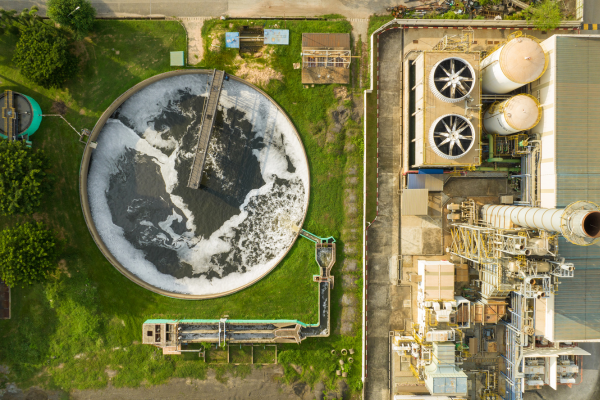
The Haryana government has begun preparatory work to establish waste-to-energy plants in several major cities as part of efforts to improve municipal solid waste management and reduce landfill dependence. The Directorate of Urban Local Bodies (ULB) has constituted a committee to draft a proposal for the projects and prepare a model request for proposal (RFP) that will guide their implementation through public-private partnership (PPP) arrangements. Advertisement






Officials indicated that the committee includes municipal commissioners and senior officers from the urban local bodies department and has been tasked with completing preliminary assessments within about 20 days. The panel will identify potential project sites, estimate the quantity of municipal solid waste generated in different cities and develop frameworks for power purchase agreements with electricity distribution utilities.
The proposed projects are expected to be taken up in major urban centres including Gurugram, Faridabad and Hisar, where rapid urbanisation has led to increasing volumes of municipal waste. In Gurugram, for instance, land measuring about 20 acres in Manesar has been identified as a potential site for a waste-to-energy facility. The plants are intended to process municipal waste scientifically and convert it into electricity while reducing the amount of garbage that is currently transported to landfill sites.
The initiative forms part of the state's broader approach to strengthening waste processing infrastructure in urban areas under national cleanliness programmes such as the Swachh Bharat Mission (Urban). Municipal authorities have been exploring different technologies to address waste accumulation, particularly in rapidly expanding cities where landfill capacity has become a growing concern.
However, the proposal has drawn criticism from environmental groups and waste management experts who argue that incineration-based waste-to-energy plants can pose environmental and public health risks if not properly managed. Environmental activists have said that such projects may conflict with the principles of the Solid Waste Management Rules, 2016, which emphasise segregation of waste at source and prioritise recycling, composting and decentralised waste treatment methods before resorting to energy recovery through incineration.
Critics have also highlighted concerns about emissions and the disposal of ash generated by waste-to-energy plants, particularly when projects are proposed near ecologically sensitive areas or densely populated urban regions. In parts of the National Capital Region, earlier proposals for similar facilities have faced objections from residents and environmental organisations citing potential air pollution and groundwater contamination risks.
Despite these concerns, state officials have indicated that waste-to-energy facilities are being considered as one component of a broader waste management strategy aimed at reducing the pressure on landfill sites and improving scientific waste processing. The committee's report will form the basis for project planning, after which the government is expected to finalise tender documents and invite private sector participation for developing the proposed facilities.
The final decision on project implementation will depend on the outcome of feasibility assessments, environmental compliance requirements and consultations with local authorities and stakeholders involved in municipal waste management.

5th Jun, 2025

25th May, 2023

11th May, 2023

27th Apr, 2023
Advertisement









 Facebook
 Whatsapp
