Advertisement






The Gulf conflict has disrupted global supply chains, pushed...
REITs have changed the way commercial real estate is owned a...

What does it take to preserve a real estate legacy while bui...
What really powers the cloud? Behind every Google search, A...
A lot of what defines a home isn’t visible at handover. I...
IKEA plans to make its India operations profitable by FY28 while expanding its retail network through smaller store formats. The company intends to open about 25 small and medium stores across the country over the next four to five years as part of its omnichannel strategy. This plan focuses on improving operational efficiency, expanding physical presence, and increasing local sourcing. Financial filings show that the retailer's losses widened to around INR 1,299.4 crore in FY25 while revenue declined slightly to INR 1,749.5 crore, reflecting continued investment in expansion and market development.
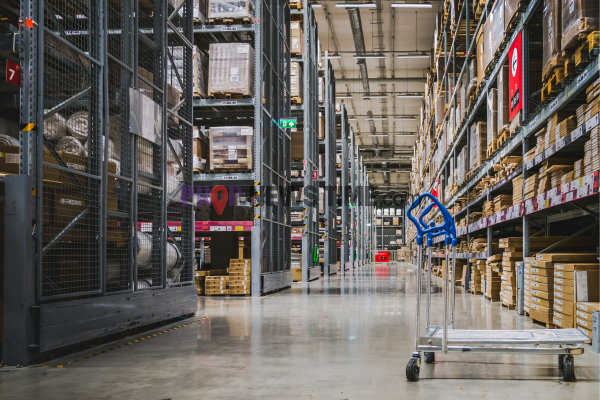
IKEA is planning to turn its India operations profitable by FY28 while expanding its retail presence through a network of smaller store formats. The Swedish furniture and home furnishing retailer is preparing to open about 25 small and medium-sized stores across India over the next four to five years as it scales its operations in the country. Advertisement






The company's India leadership indicated that achieving profitability will depend on multiple factors including growth in sales, expansion of store networks, tighter control on fixed costs and more efficient operations. The company is also working on increasing local sourcing to support margins and strengthen its supply chain in India.
India has been identified as one of the top three priority markets for the retailer globally. The company believes the country has long-term potential for organised home furnishing retail and sees opportunities to expand its reach across major urban centres and emerging markets through a combination of physical stores and online channels.
Financial disclosures show that IKEA India's losses widened during FY25 as the company continued to invest heavily in expansion. Total loss increased to around INR 1,299.4 crore while revenue from operations declined by about 3.33 percent to INR 1,749.50 crore. The company's borrowings also increased to approximately INR 8,335.20 crore as it continued to invest in infrastructure, supply chains and retail expansion in India.
The retailer is focusing on an omnichannel model that integrates large stores, city stores and digital platforms. Company executives indicated that this model helps control operating costs while allowing the brand to reach customers both online and through physical stores. It also allows the company to begin serving certain cities digitally before launching full retail outlets there.
Under the new expansion strategy, store sizes will vary depending on the location and city requirements. The upcoming outlets are expected to range from around 27,000 sq ft to about 215,000 sq ft. This marks a shift from the earlier approach that focused mainly on large warehouse-style stores, enabling the company to enter more urban markets with smaller formats.
A key step in this expansion is the opening of a new city-format store in Pune scheduled for March 12. The outlet will cover around 32,000 sq ft and will mark the company's first physical store in the city. IKEA has already been serving customers in Pune through online deliveries for nearly six years before launching the physical retail outlet.
At present, IKEA operates large stores in Hyderabad, Navi Mumbai and Bengaluru along with city-format stores in locations such as Worli in Mumbai and New Delhi. The Bengaluru store, which opened earlier, spans around 4.6 lakh sq ft and represents one of the company's major large-format investments in the country.
The company is also expanding in the National Capital Region through its Lykli mixed-use retail centres being developed in Noida and Gurugram. Each of these stores is expected to be about 2 lakh sq ft in size. IKEA has committed an investment of nearly INR 7,000 crore for its expansion in the NCR region as part of its broader growth strategy in India.
The retailer is simultaneously exploring additional land parcels in large metropolitan markets such as Delhi and Bengaluru for future development. These potential acquisitions are aimed at strengthening the brand's long-term presence in major urban clusters where demand for organised home furnishing retail is growing.
IKEA entered India after receiving government approval for foreign direct investment in single-brand retail and opened its first store in Hyderabad in 2018. Since then, the company has steadily expanded through a combination of large outlets, city stores and online services as it builds a long-term retail ecosystem in the country.
Source PTI
FAQ
1. What are IKEA's plans for its business in India?
IKEA plans to make its India operations profitable by FY28 while continuing to expand its retail presence across the country. The company intends to open around 25 small and medium-sized stores over the next four to five years as part of a broader growth strategy. This expansion is designed to increase accessibility for customers, improve operational efficiency, and support the company's long-term goal of building a strong retail ecosystem in India.
2. Why is IKEA focusing on smaller store formats in India?
The company is gradually shifting from relying mainly on large warehouse-style outlets to a mix of large stores and smaller city formats. Smaller stores allow the retailer to enter dense urban markets more easily, reduce operational costs, and bring the brand closer to customers in city centres. This approach also supports the company's omnichannel strategy, where customers can explore products in physical stores while completing purchases through online platforms.
3. What is the current financial performance of IKEA's India operations?
Financial filings show that the company continues to invest heavily in building its presence in India. During FY25, losses widened to about INR 1,299.4 crore while revenue from operations declined slightly by around 3.33 percent to INR 1,749.50 crore. These figures reflect ongoing investments in store expansion, logistics infrastructure, digital platforms, and supply chain development as the company strengthens its long-term position in the Indian market.
4. How important is the Indian market for IKEA globally?
India has been identified as one of the top three priority markets globally for IKEA. The company sees significant long-term potential in the country due to rapid urbanisation, rising consumer spending on home improvement, and increasing demand for organised home furnishing retail. By expanding both online and offline channels, the retailer aims to reach a wider customer base across major metropolitan areas and emerging cities.
5. What new store openings are planned in the near term?
One of the next developments is a new city-format store in Pune scheduled to open on March 12. The outlet will cover around 32,000 sq ft and will be IKEA's first physical store in the city. The company has already been serving customers in Pune through online deliveries for nearly six years, and the new store will strengthen its local presence while improving the shopping experience for customers.
6. Where does IKEA currently operate stores in India?
IKEA currently operates large-format stores in Hyderabad, Navi Mumbai and Bengaluru, along with city-format stores in locations such as Worli in Mumbai and New Delhi. The Bengaluru outlet, covering about 4.6 lakh sq ft, represents one of the company's largest investments in the country and highlights its commitment to building a long-term retail presence.
7. What other expansion plans does IKEA have in India?
The company is also developing mixed-use retail centres known as Lykli in Noida and Gurugram within the National Capital Region. Each of these projects will include retail spaces of roughly 2 lakh sq ft. IKEA has committed around INR 7,000 crore for its expansion in the NCR region and is also exploring additional land parcels in major metropolitan areas such as Delhi and Bengaluru to support its long-term growth strategy in India.
Advertisement













 Facebook
 Whatsapp
