Advertisement










Private equity has played a significant role in shaping Indi...
In today’s real estate landscape, fitness is often treated...
In this episode of Prop Personalities, we sit down with Hars...
Luxury real estate is one of the most talked-about segments ...
Welcome to Prop Personalities by Prop News Time - a podcast ...
Data released by the Maharashtra Highway Police shows a significant increase in accidents and fatalities on the Mumbai-Nagpur Samruddhi corridor during the past year, while the Mumbai-Pune Expressway recorded a marginal decline in overall accidents. The Samruddhi route reported 185 accidents in 2025, up from 137 in the previous year, along with a rise in fatal crashes and deaths. In contrast, accidents on the Mumbai-Pune Expressway dropped slightly. Authorities are reviewing safety measures and planning stronger monitoring systems on the Samruddhi corridor to control speeding and improve highway safety.
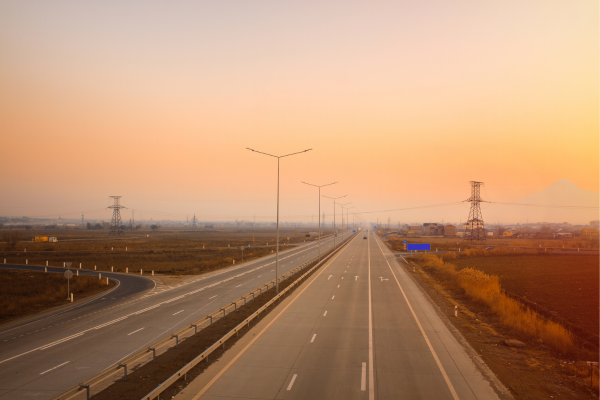
Recent data compiled by the Maharashtra Highway Police shows a contrasting road safety trend on two of the state's major high-speed corridors. Accident numbers and fatalities increased sharply on the Mumbai-Nagpur Samruddhi corridor over the past year, while the Mumbai-Pune Expressway saw a slight decline in the overall number of accidents. Advertisement


According to provisional figures, the Samruddhi corridor recorded 185 accidents in 2025, compared with 137 accidents in 2024, marking an increase of around 35 percent. Fatal crashes on the corridor also rose noticeably. The number of fatal accidents increased from 96 in 2024 to 128 in 2025, while the death toll went up from 126 to 152 during the same period. This reflects a rise of about 33 percent in fatal accidents and over 20 percent in deaths.
Serious injury cases on the expressway also increased during the past year. Accidents that resulted in grievous injuries rose from 23 incidents in 2024 to 46 in 2025. The number of people suffering serious injuries increased sharply from 50 to 140, indicating a growing concern about safety on the high-speed corridor.
The Mumbai-Nagpur Samruddhi corridor, also known as the Hindu Hrudaysamrat Balasaheb Thackeray Maharashtra Samruddhi Mahamarg, is a 701-km access-controlled expressway connecting Nagpur with the Mumbai Metropolitan Region. The highway began opening in phases starting December 2022, and the remaining sections were opened to traffic last year. The expressway significantly reduced travel time between Mumbai and Nagpur and has become an important route for passenger vehicles as well as long-distance cargo movement.
Highway police officials have indicated that the increase in accidents could be linked to high vehicle speeds, long uninterrupted stretches of road and growing traffic on the corridor. Long driving distances without adequate rest stops can also contribute to driver fatigue, which increases the risk of accidents.
Authorities are now working to strengthen safety monitoring on the route. Plans are underway to expand the Intelligent Traffic Management System (ITMS) on the corridor. The system will include speed detection cameras, surveillance cameras, variable message signboards and automated traffic monitoring tools aimed at improving enforcement and alerting drivers about speed limits and road conditions.
In contrast, the Mumbai-Pune Expressway recorded a small improvement in accident numbers during the same period. The highway reported 187 accidents in 2025, slightly lower than 191 accidents in 2024. The reduction indicates a modest improvement in overall accident numbers on the busy inter-city route.
However, data shows that minor injury accidents on the Mumbai-Pune Expressway increased slightly. Incidents causing minor injuries rose from 25 cases to 28 cases, representing an increase of around 12 percent, even though the total number of accidents declined.
The Mumbai-Pune Expressway, which was opened in 2002, is India's first six-lane access-controlled expressway and remains one of the country's busiest road corridors. Over the years, several safety upgrades have been introduced on the route, including crash barriers, regular highway patrols, CCTV surveillance, speed monitoring and improved emergency response systems.
Transport officials had released a press communication highlighting the improvement in accident numbers on the Mumbai-Pune Expressway. However, the same communication did not refer to the rise in accidents and fatalities on the Samruddhi corridor.
Road safety experts have pointed out that advanced monitoring infrastructure and continuous enforcement play a key role in controlling accidents on high-speed highways. The Mumbai-Pune Expressway already has established surveillance systems and regular enforcement drives, whereas monitoring systems on the Samruddhi corridor are still being strengthened as traffic on the route continues to increase.
Authorities are also reviewing additional measures such as better signage, stricter speed enforcement, increased highway patrols and improved emergency response facilities to reduce accidents on the Samruddhi corridor.
Source PTI
FAQ
1. What recent trends have been observed in accidents on Maharashtra's major expressways?
Recent data from the Maharashtra Highway Police shows contrasting safety trends on two of the state's major expressways. Accidents and fatalities increased significantly on the Mumbai-Nagpur Samruddhi Expressway, while the Mumbai-Pune Expressway recorded a slight decline in the total number of accidents. These trends have prompted authorities to review road safety measures and strengthen monitoring systems.
2. How much did accidents increase on the Samruddhi corridor?
According to provisional figures, the Samruddhi corridor recorded 185 accidents in 2025, compared with 137 accidents in 2024. Fatal accidents on the route also increased from 96 to 128 during the same period, while the number of deaths rose from 126 to 152. In addition, serious injury cases increased significantly, with grievous injury accidents rising from 23 to 46 and the number of people suffering serious injuries jumping from 50 to 140.
3. What factors are believed to be contributing to the increase in accidents on the corridor?
Highway officials believe several factors may be contributing to the rise in accidents. These include high vehicle speeds on long uninterrupted stretches of road, increasing traffic volume as more sections of the corridor become operational, and driver fatigue caused by long-distance travel without adequate rest breaks. These conditions can increase the likelihood of collisions, especially on high-speed expressways.
4. What is the significance of the Samruddhi Expressway?
The Samruddhi corridor, officially known as the Hindu Hrudaysamrat Balasaheb Thackeray Maharashtra Samruddhi Mahamarg, is a 701-km access-controlled expressway connecting Nagpur with the Mumbai Metropolitan Region. The highway began opening in phases from December 2022 and significantly reduced travel time between Mumbai and Nagpur, becoming an important route for passenger vehicles and cargo transport.
5. What safety improvements are being planned for the Samruddhi corridor?
Authorities are planning to expand the Intelligent Traffic Management System on the corridor. This system will include speed detection cameras, surveillance cameras, automated monitoring tools, and variable message signboards that can alert drivers about speed limits, traffic conditions, and safety warnings. The goal is to improve enforcement and encourage safer driving behaviour on the highway.
6. How did the Mumbai-Pune Expressway perform in comparison?
The Mumbai-Pune Expressway recorded a small improvement in overall accident numbers. In 2025, the highway reported 187 accidents compared with 191 accidents in 2024. Although the total accidents declined slightly, incidents causing minor injuries increased from 25 cases to 28 cases during the same period.
7. Why does the Mumbai-Pune Expressway have relatively better safety monitoring?
The Mumbai-Pune Expressway, opened in 2002, was India's first six-lane access-controlled expressway and has undergone several safety upgrades over the years. These include CCTV surveillance, speed monitoring systems, highway patrols, crash barriers and improved emergency response infrastructure. Road safety experts note that such established monitoring systems and consistent enforcement play an important role in controlling accidents, and similar systems are now being strengthened on the Samruddhi corridor.

5th Jun, 2025

25th May, 2023

11th May, 2023

27th Apr, 2023
Advertisement





 Facebook
 Whatsapp
