Advertisement










In this episode of Prop Personalities, we sit down with Hars...
Luxury real estate is one of the most talked-about segments ...
Welcome to Prop Personalities by Prop News Time - a podcast ...
Airports play a much bigger role than just enabling travel -...
Why does the same hotel brand operate multiple properties in...
Residents and environmental groups in Mumbai recently held a citizen march in Kandivli to draw attention to concerns about mangroves that could be affected by the proposed northern extension of the coastal road project. The demonstration focused on the environmental impact of the planned Versova-Bhayander corridor, where thousands of mangrove trees fall within the project's influence zone. Activists stressed that these ecosystems play a key role in protecting the city from flooding and coastal erosion. The march brought together local citizens and conservation groups to highlight ecological concerns while the large infrastructure project continues to move forward.
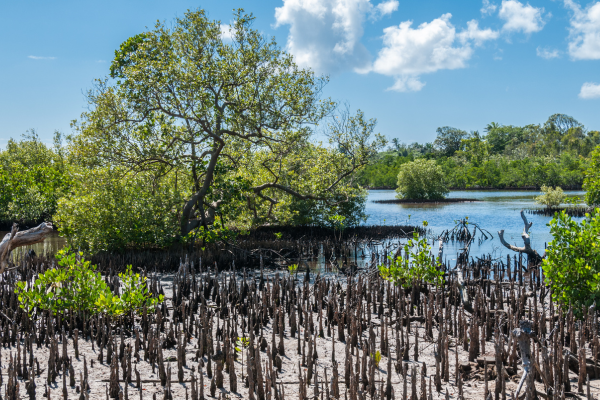
Residents and environmental groups in Mumbai organised a citizen march in Kandivli to highlight concerns about mangrove ecosystems that could be affected by the proposed northern extension of the coastal road project. The demonstration, titled March for the Mangroves, was held at Turzon Point in Charkop and brought together local citizens, activists and conservation groups seeking greater attention to environmental risks linked to the infrastructure project. Advertisement


Participants used the march to draw attention to the potential impact of the Versova-Bhayander coastal road corridor. According to project estimates, nearly 45,000 mangrove trees fall within the project's influence zone. Around 9,000 trees are expected to be permanently removed during construction, while authorities have proposed transplanting the remaining mangroves as part of mitigation measures.
Environmental groups involved in the initiative said the scale of the possible impact raises concerns about the long-term health of coastal ecosystems in Mumbai's western suburbs. Activists pointed out that mangrove forests act as natural buffers against coastal erosion, tidal surges and flooding, particularly during intense monsoon periods. They also support marine biodiversity and help stabilise coastal land.
The Versova-Bhayander corridor forms part of the northern extension of Mumbai's coastal road network. The project is planned as a roughly 22-kilometre corridor that will include elevated sections, bridges and tunnel components. The alignment is expected to cover about 103 hectares and is estimated to cost more than INR 20,000 crore.
Authorities have indicated that compensatory afforestation will be undertaken to offset environmental losses linked to the project. Proposed measures include planting mangroves at designated sites in Bhayander and another location near the Tadoba forest region in Chandrapur district.
Organisers of the march said the initiative was intended to create public awareness about the ecological role of mangroves and encourage citizens to participate in discussions on urban environmental protection. The event also aimed to highlight the importance of preserving the city's remaining green and coastal ecosystems as infrastructure development expands.
The coastal road project has been one of Mumbai's largest infrastructure initiatives aimed at improving connectivity along the western shoreline. The broader plan is designed to link southern Mumbai with the northern suburbs and reduce travel time while easing congestion on existing road corridors.
However, the northern extension of the project has continued to face scrutiny from environmentalists and local groups who believe that large-scale infrastructure development near coastal ecosystems must be carefully planned. Similar concerns about mangrove destruction and wetland loss have been raised in other parts of the Mumbai Metropolitan Region in recent years.
Civic authorities have maintained that major infrastructure projects undergo multiple environmental and regulatory approvals. Officials have also stated that environmental safeguards and compensatory plantation plans form part of the project's compliance requirements.

5th Jun, 2025

25th May, 2023

11th May, 2023

27th Apr, 2023
Advertisement





 Facebook
 Whatsapp
