Advertisement










Private equity has played a significant role in shaping Indi...
In today’s real estate landscape, fitness is often treated...
In this episode of Prop Personalities, we sit down with Hars...
Luxury real estate is one of the most talked-about segments ...
Welcome to Prop Personalities by Prop News Time - a podcast ...
The Brihanmumbai Municipal Corporation (BMC) is planning to convert a 12,964 square metre (about 3.2-acre) recreation ground in Marol, Andheri East, along the Mithi River into what is expected to be Mumbai's first public urban forest. The plot, which currently has around 150 trees, has remained largely unused for several years. The project will be implemented through corporate social responsibility funding with support from environmental NGO Green Yatra. The plan includes dense plantations, biodiversity zones, and recreational facilities such as walking paths, children's play areas, and spaces for senior citizens.
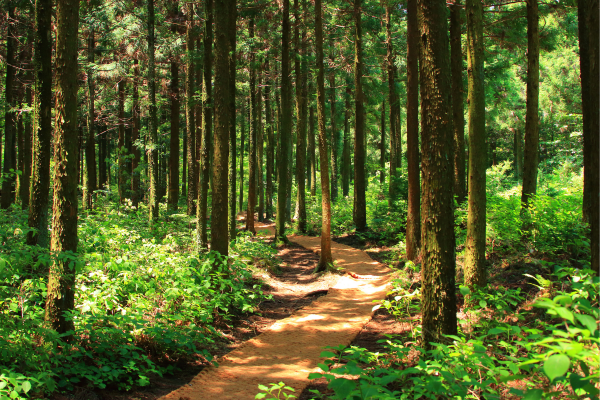
The Brihanmumbai Municipal Corporation is moving ahead with a plan to convert a 12,964 square metre land parcel in Marol, Andheri East, located along the Mithi River, into what is expected to become Mumbai's first public urban forest. The plot, measuring around 3.2 acres, is reserved as a recreation ground under the Development Plan category ROS 1.4. Although the land already has nearly 150 trees, civic officials noted that it has remained largely underutilised for several years. Advertisement


The civic body intends to redevelop the open plot into a nature-focused green space that will combine environmental restoration with public access. Officials said the plan aims to improve biodiversity while providing residents of the surrounding neighbourhood with a usable open space in a densely built part of the city.
The site had earlier been considered for inclusion in the second phase of the city's urban forest initiative. However, the proposal did not move forward at that time. Later, the civic administration decided to develop the plot through corporate social responsibility (CSR) funding. After financial support was secured, preliminary work for the project was initiated.
Local MLA Murji Patel had also approached the civic body regarding the land parcel, stating that the ground had remained unusable for residents in the constituency and suggesting that it be developed into a public open space that could benefit the community.
The proposed urban forest will include several ecological zones aimed at strengthening biodiversity. According to the plan prepared for the project, the site will include a Miyawaki forest patch, bamboo groves, bird habitat zones, native grasslands, butterfly gardens, sacred groves and sections dedicated to medicinal plants. These components are expected to help create a diverse natural ecosystem within the limited urban space.
Along with plantation and ecological restoration, the project will also include facilities for visitors. The layout includes natural walking trails, open lawns, outdoor fitness areas, children's play spaces and seating areas for senior citizens. Officials indicated that there will also be specially designed garden areas for toddlers and elderly visitors so that the space can be used by people across different age groups.
Deputy municipal commissioner Vishwas Mote stated that such projects are becoming increasingly necessary in cities where climate conditions are changing and open green spaces are limited. According to him, initiatives like this can help improve the urban environment while also providing residents with accessible recreational spaces within their neighbourhoods.
The project is being implemented through CSR funding by the environmental NGO Green Yatra. Its founder Pradeep Tripathi explained that the progress of the project partly depends on the removal of debris currently present on the site. After plantation begins, the young trees will require time to grow before the park can be opened to visitors, as early access could damage the newly planted vegetation.
The plantation plan is expected to include flowering plants and tree species that attract birds and insects throughout the year. Civic officials said this approach can help create a stable habitat for urban wildlife while also improving the ecological value of the site.
Urban forestry initiatives have been gradually gaining attention in Mumbai as the city faces pressure on its green cover due to rapid construction and infrastructure expansion. Civic authorities have been exploring the use of unused municipal plots to introduce dense plantations that can improve local microclimates and increase urban biodiversity.

5th Jun, 2025

25th May, 2023

11th May, 2023

27th Apr, 2023
Advertisement





 Facebook
 Whatsapp
