Advertisement










Private equity has played a significant role in shaping Indi...
In today’s real estate landscape, fitness is often treated...
In this episode of Prop Personalities, we sit down with Hars...
Luxury real estate is one of the most talked-about segments ...
Welcome to Prop Personalities by Prop News Time - a podcast ...
The Delhi Development Authority (DDA) has started work to restore the deteriorating Tikri Khurd Lake in Narela and convert the surrounding area into Delhi's first meadow park. The initiative follows directions issued after a site inspection by Lieutenant Governor V.K. Saxena, who highlighted the severe pollution and encroachment affecting the lake. Spread across about 40 acres with an additional 72 acres of surrounding land, the project will focus on ecological restoration, sewage treatment and landscape redevelopment. Planned features include grassland meadows, tree plantations, cycling tracks, viewing decks and environmental facilities aimed at reviving biodiversity and improving public access to green space.
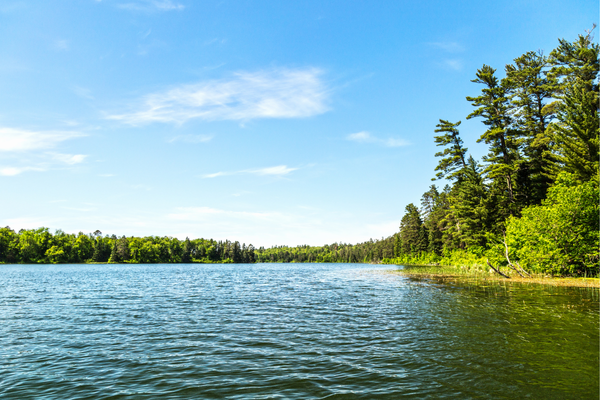
The Delhi Development Authority (DDA) has initiated a plan to revive the deteriorating Tikri Khurd Lake in Narela and develop the surrounding landscape into Delhi's first meadow park. The proposal moved forward after Delhi Lieutenant Governor Vinai Kumar Saxena visited the site during an inspection in the past week and raised concerns about the deteriorating condition of the waterbody. Officials were subsequently directed to prepare and implement a restoration plan for the lake and its surrounding land. Advertisement


Tikri Khurd Lake lies within the Narela sub-city area and stretches across sectors 8-1, 8-2 and 8-3. The lake itself covers nearly 40 acres, while the surrounding land earmarked for redevelopment spans roughly 72 acres. Over time the waterbody has become heavily polluted due to untreated sewage flowing in from nearby residential areas. Encroachments and uncontrolled growth of water hyacinth have also affected the lake's health, significantly reducing its ecological value.
Officials said the first step in the project will involve clearing encroachments, removing invasive aquatic vegetation and restoring the lake basin. The redevelopment plan includes creating nearly 10 acres of open grassy meadowland around the waterbody. These meadows will be planted with native grasses and low-maintenance plant species that can absorb rainwater naturally. The terrain will be designed so that rainwater from surrounding areas slowly drains towards the lake's central depression, helping maintain water levels and improving natural groundwater recharge.
The landscape proposal also includes the creation of a dense wooded area with approximately 10,000 trees. Bamboo clusters and other native tree species will be planted to improve the ecological buffer around the lake. The plantation is expected to help stabilise the soil, attract birdlife and create shaded areas for visitors while supporting biodiversity.
Public access infrastructure will also be developed carefully to ensure the ecological restoration remains protected. A pedestrian and cycling track about 2.5 metres wide will be constructed around the lake, covering nearly 20 acres of the surrounding land. The pathway will allow visitors to move around the lake without disturbing sensitive habitats.
Work has already begun to improve connectivity to the project site. Authorities have started clearing approach roads, and tenders have been issued to construct a boundary wall to secure the lake area from further encroachments. The boundary will also help regulate access during and after the restoration work.
The design of the meadow park will rely largely on natural land contours rather than large-scale structural changes. Officials explained that existing slopes will be used to manage stormwater flow and guide runoff towards the lake basin. This approach is expected to reduce flooding during heavy rainfall while supporting natural water recharge within the landscape.
The redevelopment plan also proposes several eco-sensitive visitor facilities. A small restaurant structure is proposed at a vantage point overlooking the lake. The building will be connected through stepped pathways leading down towards the waterbody, allowing visitors to view the restored landscape. Elevated machaans, or viewing platforms, will also be installed at certain locations so that visitors can observe bird activity and the surrounding ecosystem without disturbing wildlife.
Additional facilities under consideration include a small conference or meeting space and two to three eco-cottages located along the quieter edge of the lake. These structures are intended mainly for environmental education programmes, nature retreats and awareness activities focused on conservation.
During the excavation and deepening of the lake, the soil removed from the basin will not be discarded. Instead, it will be reused to create landscaped mounds and berms around the site. These raised areas will act as wind barriers, improve the park's visual landscape and help shield the restored lake from nearby urban activity.
To tackle the major issue of sewage inflow, the project will include decentralised sewage treatment plants. These facilities will treat wastewater from nearby areas before it reaches the lake. Treated water will then be used to maintain water levels within the lake throughout the year. A plant nursery will also be established within the park to support large-scale plantation work and encourage the use of native plant species.
The lake revival effort has been discussed in the past as well. The National Green Tribunal had earlier directed authorities to restore the waterbody, recognising its environmental importance. However, the project faced delays for some time due to jurisdictional disagreements between the DDA and the state wetland authority. The recent inspection and directions from the Lieutenant Governor have helped move the plan forward again.
The redevelopment of Tikri Khurd Lake is also part of a wider effort to improve green infrastructure across Delhi. In recent years, the DDA has undertaken ecological landscape projects along the Yamuna floodplains, including the creation of parks such as Baansera Park and Asita East Park, which were developed on degraded land through ecological restoration.
Officials believe the meadow park model at Narela could become a new approach for urban green space planning in the city, combining environmental restoration with carefully managed public access.

5th Jun, 2025

25th May, 2023

11th May, 2023

27th Apr, 2023
Advertisement





 Facebook
 Whatsapp
