Advertisement










Private equity has played a significant role in shaping Indi...
In today’s real estate landscape, fitness is often treated...
In this episode of Prop Personalities, we sit down with Hars...
Luxury real estate is one of the most talked-about segments ...
Welcome to Prop Personalities by Prop News Time - a podcast ...
The Union Railway Board has revived three railway line projects in Tamil Nadu that had remained stalled for nearly a decade. The projects include the Tindivanam Gingee Tiruvannamalai line, the Attipattu Puttur line, and the Chennai Cuddalore corridor via Mahabalipuram. The decision follows concerns raised about delays in railway infrastructure development and reduced spending on new rail lines in the state. Earlier, funds allocated for some of these projects were returned after they were placed in abeyance. Officials indicated that restarting the projects could improve regional connectivity once land acquisition, approvals, and funding processes move ahead.
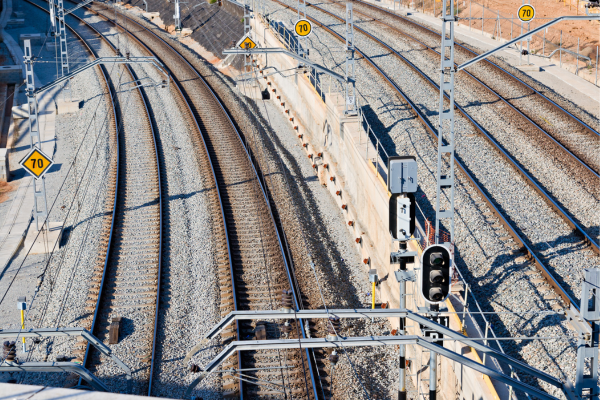
The Union Railway Board has revived three railway line projects in Tamil Nadu that had remained stalled for nearly a decade. The projects include the Tindivanam Gingee Tiruvannamalai railway line (about 71.3 km), the Attipattu Puttur railway line (around 88.3 km), and the Chennai Cuddalore railway corridor via Mahabalipuram (around 179 km). These projects had earlier been placed in abeyance, preventing the utilisation of sanctioned funds and delaying progress on new rail connectivity in several parts of the state. Advertisement


The revival followed concerns raised with the Union government regarding the status of multiple railway projects that had not moved forward for several years. The Railway Board later communicated that the projects had been defreezed, allowing them to move forward again through administrative processes such as approvals, technical reviews and funding allocations.
One of the projects that had remained stalled is the Tindivanam Gingee Tiruvannamalai railway line, which was proposed to improve rail connectivity between important towns in northern Tamil Nadu. The line is expected to support passenger movement between districts and also strengthen links to the existing rail network connecting Tiruvannamalai with other parts of the state.
Another project revived by the Railway Board is the Attipattu Puttur railway line, which was originally planned to connect Tamil Nadu with Andhra Pradesh through a direct rail corridor. The line is considered important for freight movement as well as regional passenger services. Once completed, it is expected to reduce travel distance between the two states and support movement of goods from industrial areas located along the route.
The third project involves the Chennai Cuddalore railway line via Mahabalipuram, a long-proposed coastal corridor intended to strengthen connectivity between Chennai and towns along the East Coast Road belt. The project has been under discussion for years because of its potential to support both tourism and local transport demand in the coastal region.
Before the recent decision, some of these projects had faced funding and administrative hurdles. Southern Railway had earlier returned INR 42.7 crore allocated for the Tindivanam Tiruvannamalai project after the project was placed on hold. Similarly, INR 52.13 crore that had been allocated for the Chennai Mahabalipuram corridor was also returned as the project remained frozen. According to railway rules, funds sanctioned for projects cannot be utilised once a project is officially placed in abeyance.
Concerns regarding the stalled projects were also raised through a representation submitted to the Prime Minister's Office by activist Dayanand Krishnan from Tambaram. The complaint highlighted that the revised estimate for new railway line projects in the financial year 2025-26 had been reduced from INR 617 crore to INR 230 crore, while actual spending until December of that year was around INR 143 crore.
The issue of delays in railway projects in Tamil Nadu has been raised several times in recent years. Railway authorities have previously indicated that land acquisition challenges and administrative clearances have slowed progress on several railway proposals in the state. Union Railway Minister Ashwini Vaishnaw had earlier stated that only about 24% of the land required for railway projects in Tamil Nadu had been acquired, which has affected the pace of implementation.
At the same time, the Union government has increased railway investment in the state in recent budgets. The Centre has allocated around INR 7,611 crore for railway development in Tamil Nadu for the 2026-27 financial year, covering new railway lines, safety upgrades, station redevelopment and capacity expansion works.
Officials indicated that with the administrative freeze lifted, the revived projects can now proceed through further planning stages such as updating project estimates, securing approvals and restarting preparatory work. Progress will depend on factors such as land acquisition, coordination between railway authorities and the state government, and allocation of funds for construction.

5th Jun, 2025

25th May, 2023

11th May, 2023

27th Apr, 2023
Advertisement





 Facebook
 Whatsapp
