Advertisement










Private equity has played a significant role in shaping Indi...
In today’s real estate landscape, fitness is often treated...
In this episode of Prop Personalities, we sit down with Hars...
Luxury real estate is one of the most talked-about segments ...
Welcome to Prop Personalities by Prop News Time - a podcast ...
The long-pending missing link project on the Mumbai-Pune Expressway is close to completion, with around 98% of construction finished. Developed by the Maharashtra State Road Development Corporation, the 13.3-km new alignment between Khopoli and Kusgaon is expected to open on May 1. Built at a cost of about INR 6,695 crore, the project includes long tunnels, bridges, and viaducts through the Sahyadri hills. Once operational, it will shorten the existing ghat stretch by over 6 km and reduce travel time between Mumbai and Pune by around 25-30 minutes while improving road safety and traffic movement.
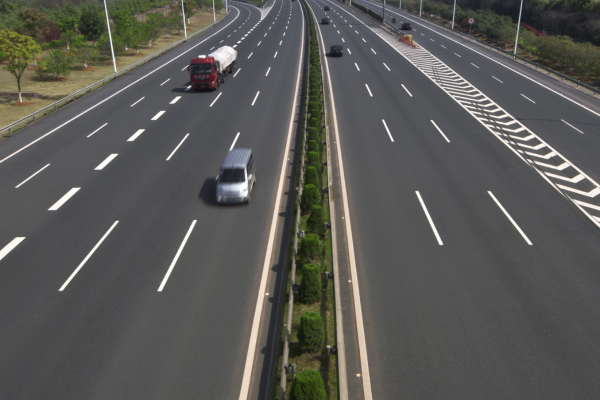
The missing link project on the Mumbai-Pune Expressway is nearing completion, with about 98% of the work finished. The project is being developed by the Maharashtra State Road Development Corporation, which has indicated that the new section is expected to open on May 1, coinciding with Maharashtra Day. Advertisement


The project involves constructing a 13.3-km new alignment between Khopoli and Kusgaon, aimed at bypassing the steep and accident-prone ghat stretch between Khandala and Lonavala. The work has been undertaken at an estimated cost of INR 6,695 crore. Once operational, the new route will shorten the existing ghat section from about 19.8 km to 13.3 km, reducing the overall travel distance by more than 6 km.
Officials involved with the project indicated that the new alignment will help reduce travel time between Mumbai and Pune by around 25 to 30 minutes. The improvement is expected to be particularly noticeable during weekends and holiday periods when traffic volumes on the expressway are high.
A major part of the project includes two long tunnels built through the Sahyadri mountain range. One of these tunnels is about 8.9 km long, making it among the longest road tunnels in India, while the second tunnel is around 1.7 km in length. These tunnels allow vehicles to bypass the winding ghat roads that currently slow down traffic and increase accident risks.
The project also includes several large bridge structures and viaducts designed to maintain smoother gradients along the route. Among them is a major viaduct of around 900 metres near Khopoli, along with multiple bridges constructed to cross valleys and difficult terrain. A cable-stayed bridge at Tiger Valley is another important component, built to support the expressway through a deep valley section.
Construction of the missing link required complex engineering work due to the mountainous terrain and environmental conditions of the Sahyadri Hills. Work on tunnels, bridge structures and slope protection measures was carried out in phases, which contributed to delays during earlier stages of the project.
Authorities are currently completing final works such as road finishing, tunnel safety systems, and traffic management infrastructure. Trial runs are also expected to be carried out before the corridor opens to the public. Safety measures inside the tunnels, including ventilation, emergency exits, and monitoring systems, are being put in place.
Officials have indicated that hazardous cargo vehicles may not be permitted inside the tunnels due to safety concerns. These vehicles may continue to use the existing ghat section of the expressway.
The Mumbai-Pune Expressway, which opened in 2002, is one of India's first access-controlled expressways and remains a major transport corridor linking the financial capital with an important industrial and IT hub. Over the years, rising traffic volumes and accident incidents along the ghat section created the need for an alternative alignment.
The missing link project was planned to address these concerns by creating a shorter and safer route through tunnels and bridges, while reducing dependence on the older mountain stretch. Once operational, the new section is expected to improve overall traffic flow on the corridor and ease congestion in the Lonavala-Khandala ghat area.

5th Jun, 2025

25th May, 2023

11th May, 2023

27th Apr, 2023
Advertisement





 Facebook
 Whatsapp
