Advertisement










Private equity has played a significant role in shaping Indi...
In today’s real estate landscape, fitness is often treated...
In this episode of Prop Personalities, we sit down with Hars...
Luxury real estate is one of the most talked-about segments ...
Welcome to Prop Personalities by Prop News Time - a podcast ...
The Tamil Nadu government has moved forward with plans to introduce 220 electric air-conditioned buses to strengthen last-mile connectivity for commuters using the Chennai Metro network. The buses will operate as feeder services linking nearby residential and commercial areas with metro stations. The fleet will include smaller vehicles designed to move easily through narrow city streets. Operated by the Metropolitan Transport Corporation, the initiative is expected to improve metro accessibility, reduce dependence on private vehicles for short trips, and support the state's broader push toward cleaner and more sustainable public transport.
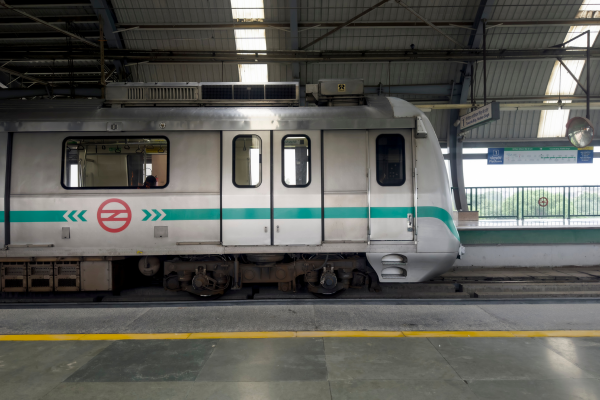
The Tamil Nadu government has initiated the deployment of 220 electric air-conditioned buses to improve last-mile connectivity to the Chennai Metro network. The buses will be operated by the Metropolitan Transport Corporation (MTC) and will function primarily as feeder services connecting residential neighbourhoods and commercial areas with metro stations across the city. Advertisement


Authorities have begun the process of procuring and operating the fleet through a tender. The buses will be low-floor electric vehicles designed to provide short-distance connectivity for passengers travelling to and from metro stations. The plan is intended to make public transport more accessible and reduce the need for commuters to rely on private vehicles, taxis or auto-rickshaws for short trips to metro stations.
The proposed fleet will consist of two types of compact buses. Around 150 buses will measure approximately five metres in length, while the remaining 70 buses will be slightly larger at about seven metres. These smaller buses have been planned deliberately so they can operate on narrow city roads, internal streets and residential lanes where regular city buses often face difficulty entering or turning.
Officials associated with the transport agencies indicated that the buses will mainly run within a short radius of metro stations. The routes are expected to cover areas located roughly within five kilometres of the stations, helping commuters reach the metro network more easily. The services are also expected to run at relatively frequent intervals, which could significantly reduce waiting time for passengers.
The buses will feature low-floor entry, making boarding easier for elderly passengers and persons with disabilities. Air-conditioning has also been included to provide a more comfortable travel option for commuters who depend on public transport on a daily basis.
The initiative has been planned through coordination between the Metropolitan Transport Corporation, Chennai Metro Rail Limited (CMRL), and the Chennai Unified Metropolitan Transport Authority (CUMTA). These agencies have been working together to strengthen integration between different transport modes in the city. Route planning, operational coordination and supporting infrastructure such as charging facilities are expected to be finalised as part of the rollout.
Improving last-mile connectivity has been a key concern for metro users in Chennai. While the metro network has expanded in recent years, many commuters still depend on private transport or intermediate public transport to reach stations. The feeder bus network is expected to address this gap by offering a structured public transport option for the first and last segments of metro journeys.
The move also supports Tamil Nadu's broader electric mobility strategy. The state government has been gradually increasing the share of electric buses in public transport fleets operated by state transport undertakings. Electric buses help reduce local air pollution and noise levels while lowering long-term fuel costs for public transport agencies.
Chennai has already been expanding its metro network through ongoing Phase II projects, which will significantly increase the number of stations across the city. Transport planners believe that strengthening feeder connectivity in advance will help ensure that the expanded metro network is more accessible and widely used once the new corridors become operational.
The introduction of the 220 electric feeder buses is therefore expected to play a practical role in improving the overall efficiency of the city's public transport system while making metro travel more convenient for a larger number of residents.

5th Jun, 2025

25th May, 2023

11th May, 2023

27th Apr, 2023
Advertisement





 Facebook
 Whatsapp
