Advertisement










Private equity has played a significant role in shaping Indi...
In today’s real estate landscape, fitness is often treated...
In this episode of Prop Personalities, we sit down with Hars...
Luxury real estate is one of the most talked-about segments ...
Welcome to Prop Personalities by Prop News Time - a podcast ...
Mumbai's road network in the central corridor has received a major boost with the opening of the Tardeo Nagpada Mumbai Central flyover. Maharashtra Chief Minister Devendra Fadnavis inaugurated the 333-metre structure via videoconference in the past week, in the presence of Deputy Chief Minister Eknath Shinde. The flyover replaces a 130-year-old British-era bridge that had been declared unsafe and dismantled nearly two years ago. Built by the Brihanmumbai Municipal Corporation ahead of schedule, the project is expected to ease congestion and significantly improve east-west traffic movement in South Mumbai.
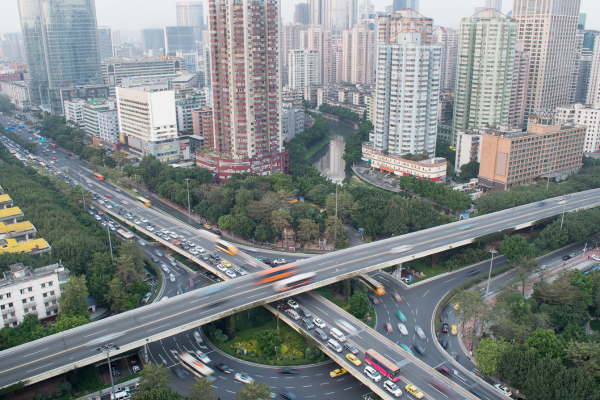
The Brihanmumbai Municipal Corporation has opened the newly constructed Tardeo-Nagpada-Mumbai Central flyover, restoring an important east-west road connection in South Mumbai. Maharashtra Chief Minister Devendra Fadnavis inaugurated the structure via videoconference in the past week, while Deputy Chief Minister Eknath Shinde attended the event in person. Advertisement


The 333-metre flyover replaces a 130-year-old British-era bridge near Mumbai Central that had been declared structurally unsafe by civic authorities. The old bridge was dismantled nearly two years ago, which led to traffic diversions and longer travel times in the surrounding areas. With the new link now operational, direct connectivity between Tardeo, Nagpada and Mumbai Central railway station has been restored.
The project is considered crucial as the earlier closure had increased pressure on surrounding arterial roads. Traffic was being diverted through stretches such as Jehangir Boman Behram Road, Dr Dadasaheb Bhadkamkar Marg, Pathe Bapurao Marg and the Mahalaxmi station bridge, leading to regular congestion during peak hours. Officials stated that the new flyover is expected to reduce this load and improve traffic distribution across the network.
In terms of design, the structure comprises 138.39 metres on the eastern side, 157.39 metres on the western side and 36.90 metres within railway limits. It has a 7-metre-wide carriageway and pedestrian footpaths on both sides, ensuring safer access for walkers in addition to vehicular traffic. The section falling within railway limits required close coordination with railway authorities.
Construction was completed in 15 months and six days, nearly four months ahead of the timeline mentioned in the original tender. Civic officials attributed the faster completion to coordinated efforts between municipal departments, railway authorities, traffic police and local ward offices. The work involved shifting of Brihanmumbai Electric Supply and Transport utility lines, removal of structural obstructions and demolition of a housing society boundary wall that affected alignment.
The project also required legal coordination, including engagement with the High Court during the execution phase. Authorities confirmed that all required load tests, structural stability checks, safety certifications and the railway's no-objection certificate were completed before the flyover was opened to the public.
With traffic now allowed on the new structure, the civic body expects smoother east-west connectivity in this part of the city, especially during peak travel hours. The flyover forms part of ongoing efforts to upgrade ageing infrastructure and improve internal road mobility in South Mumbai.
Source PTI
FAQ
1. What project has been inaugurated in Mumbai?
The Brihanmumbai Municipal Corporation has opened the newly constructed Tardeo-Nagpada-Mumbai Central flyover, restoring a critical east-west road connection in South Mumbai. The 333-metre-long structure replaces a 130-year-old British-era bridge that had been declared unsafe and dismantled nearly two years ago, disrupting traffic in the central corridor.
2. Who inaugurated the flyover?
The flyover was inaugurated by Devendra Fadnavis via videoconference. Eknath Shinde attended the event in person. The inauguration marked the restoration of a key infrastructure link in the city's road network.
3. Why was the old bridge replaced?
The earlier British-era bridge near Mumbai Central had been declared structurally unsafe after inspections by civic authorities. Its closure and subsequent demolition had led to traffic diversions, longer commute times, and heavy congestion on surrounding arterial roads for nearly two years.
4. How will the new flyover improve traffic conditions?
The new flyover restores direct connectivity between Tardeo, Nagpada, and Mumbai Central railway station. Earlier, traffic had to be diverted through roads such as Jehangir Boman Behram Road and Dr Dadasaheb Bhadkamkar Marg, leading to frequent bottlenecks. The new link is expected to ease congestion, distribute traffic more efficiently, and significantly reduce peak-hour travel delays.
5. What are the key structural features of the flyover?
The structure measures 333 metres in total length, including 138.39 metres on the eastern side, 157.39 metres on the western side, and 36.90 metres within railway limits. It features a 7-metre-wide carriageway along with pedestrian footpaths on both sides. Construction within railway limits required close coordination with railway authorities and strict safety compliance.
6. How quickly was the project completed and what challenges were involved?
The flyover was completed in 15 months and six days nearly four months ahead of schedule. The project required relocation of utility lines, demolition of structural obstructions, coordination with railway authorities, and legal clearances including engagement with the High Court. All load tests, structural safety checks, and required certifications were completed before opening the flyover to the public.

5th Jun, 2025

25th May, 2023

11th May, 2023

27th Apr, 2023
Advertisement





 Facebook
 Whatsapp
